磷酸奥司他韦胶囊

Search documents
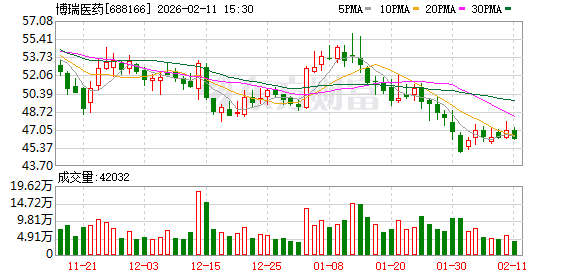
博瑞医药:关于公司部分产品拟中选国家药品接续采购的公告
Zheng Quan Ri Bao· 2026-02-11 11:11
Group 1 - The core announcement is that Borui Pharmaceutical's wholly-owned subsidiary, Borui Pharmaceutical (Suzhou) Co., Ltd., has its products selected for the national centralized procurement program, with a procurement period extending until December 31, 2028 [2] - The selected products include Agatroban injection, Micafungin sodium for injection, Oseltamivir phosphate dry suspension, and Oseltamivir phosphate capsules [2] - The total sales of these four products for the first three quarters of 2025 are projected to be 88.8475 million yuan, accounting for 10.16% of the company's revenue [2]


2026年中国仿制药一致性评价行业政策、产业链、发展现状、重点企业及趋势研判:仿制药一致性评价工作逐步推进,过评/视同过评的产品数量达2998个[图]
Chan Ye Xin Xi Wang· 2026-01-30 01:59
Core Insights - The Chinese generic drug industry is undergoing significant changes due to policy factors, including the implementation of the drug marketing authorization holder system and early resolution mechanisms for patent disputes, which are reshaping the competitive landscape [1][11]. Industry Overview - The number of generic drug products that have passed or are deemed to have passed evaluations in China reached 2,998 in 2024, an increase of 1,008 from 2023, representing a year-on-year growth of 50.65% [1][11]. - The proportion of contract manufacturing among these evaluated generic drug products reached 33% in 2024, up from 12% in 2020, indicating a trend towards deeper industry collaboration and resource allocation [1][11]. Generic Drug Consistency Evaluation - The consistency evaluation of generic drugs ensures that they meet the same quality and efficacy standards as original drugs, which is crucial for patient safety and effective treatment [2][3]. - The evaluation process includes determining reference formulations, conducting pharmaceutical research, and ongoing monitoring to ensure compliance with quality and safety standards [2][3]. Industry Policies - Recent policies have been introduced to enhance the quality of generic drugs and promote their market acceptance, including the 2025 guidelines for deepening drug regulation reforms [5][6]. - The establishment of a reference formulation directory is essential for conducting consistency evaluations, with 87 batches published by the National Medical Products Administration by the end of 2024 [9]. Market Dynamics - The market for chemical generic drugs in China is projected to be 868.3 billion yuan in 2024, showing a decline of 3% year-on-year, with the market share of chemical generics in the overall drug market decreasing from 60% in 2018 to 50% in 2024 [7][8]. - The competitive landscape is becoming increasingly polarized, with leading pharmaceutical companies gaining significant market share while smaller firms face challenges due to funding and research limitations [11]. Key Companies - Notable companies in the generic drug consistency evaluation sector include Tigermed Pharmaceutical Technology Co., Ltd., Huahai Pharmaceutical Co., Ltd., and Hengrui Medicine Co., Ltd., among others [1][11]. - Tigermed reported a revenue of 1.71 billion yuan in clinical trial services for the first half of 2025, reflecting a 3.07% increase year-on-year, while Hengrui Medicine achieved a revenue of 13.693 billion yuan, up 12.85% [12][14]. Future Trends - The focus of generic drug evaluations is expected to shift towards high-tech barrier products, such as controlled-release formulations and complex injectables, requiring enhanced reverse engineering and pharmaceutical research capabilities [15][16]. - The production model is transitioning from batch production to continuous manufacturing, which aims to ensure consistent quality and compliance with evaluation standards [15][16]. - Companies are encouraged to adopt a full lifecycle management approach for their products, emphasizing ongoing research and optimization post-evaluation to maintain market leadership [16].


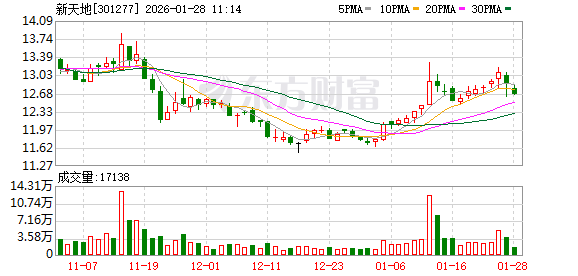
新天地:公司抗流感病毒领域在研产品磷酸奥司他韦原料药、磷酸奥司他韦胶囊正按计划开展中
Mei Ri Jing Ji Xin Wen· 2026-01-28 03:13
Group 1 - The company does not currently have any antiviral influenza pharmaceutical intermediates [2] - The company is developing two products in the antiviral influenza field: oseltamivir phosphate raw material and oseltamivir phosphate capsules, which are progressing as planned [2]
新天地:暂无抗流感病毒中间体医药产品
Ge Long Hui· 2026-01-28 00:54
Core Viewpoint - The company, Xintiandi (301277.SZ), has stated that it currently does not have any intermediate pharmaceutical products for antiviral flu treatment, but is progressing with its research products, including Oseltamivir phosphate raw materials and Oseltamivir phosphate capsules, as planned [1]. Group 1 - The company has no antiviral flu intermediate pharmaceutical products available at this time [1] - The research products in the antiviral flu field include Oseltamivir phosphate raw materials and Oseltamivir phosphate capsules [1] - The development of these products is proceeding according to schedule [1]
新天地(301277.SZ):暂无抗流感病毒中间体医药产品
Ge Long Hui· 2026-01-28 00:53
Core Viewpoint - The company, Xintiandi (301277.SZ), has stated that it currently does not have any intermediate pharmaceutical products for antiviral flu treatment, but is progressing with its research products, including Oseltamivir phosphate raw materials and Oseltamivir phosphate capsules, as planned [1] Group 1 - The company has no antiviral flu intermediate pharmaceutical products available at this time [1] - The research products in the antiviral flu field include Oseltamivir phosphate raw materials and Oseltamivir phosphate capsules [1] - The development of these products is proceeding according to schedule [1]
医院卖34.93元药店19元 同款药为何不同价?
2 1 Shi Ji Jing Ji Bao Dao· 2026-01-16 00:22
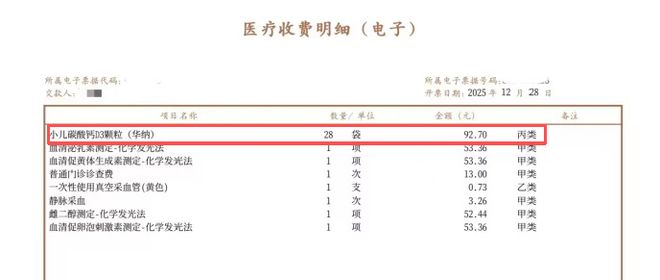
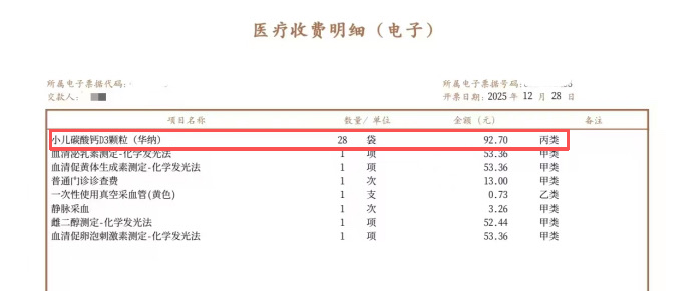
Core Viewpoint - The significant price discrepancies between hospital and retail pharmacy prices for the same medication raise concerns about the effectiveness of centralized procurement policies and the trust in public healthcare systems [2][3]. Price Discrepancies - A specific example highlights that the price of pediatric calcium carbonate D3 granules is 34.93 yuan in a hospital, while the same product is priced at approximately 19 yuan in pharmacies and e-commerce platforms, resulting in a price difference of 15.93 yuan [2]. - The price of the same medication can vary significantly across different sales channels, with instances of hospital prices being higher than retail prices and vice versa [3]. Centralized Procurement Issues - The pediatric calcium carbonate D3 granules were included in centralized procurement in 2022, with a winning bid price of 3.795 yuan per bag, which was further reduced to 2.495 yuan per bag in subsequent procurement rounds [3][4]. - Despite the centralized procurement prices, hospitals are reportedly selling the medication at prices that exceed these rates, indicating a disconnect between procurement prices and actual supply costs [4][6]. Factors Contributing to Price Differences - The pricing discrepancies are attributed to several factors, including the dynamic nature of market conditions, hidden service costs in hospitals, and the competitive pricing strategies of retail pharmacies and e-commerce platforms [6][7]. - Regulatory gaps and insufficient monitoring of real-time prices across different sales channels contribute to the lack of price uniformity [8]. Regulatory Responses - The National Medical Insurance Administration has initiated measures to address price discrepancies, including monitoring and comparing prices across various platforms to ensure compliance with procurement guidelines [10][11]. - Local governments are also implementing stricter regulations to align hospital prices with those of retail pharmacies and e-commerce platforms, emphasizing the need for transparency and fairness in drug pricing [11][12]. Future Directions - Experts suggest that a more transparent pricing mechanism is necessary, potentially resembling e-commerce platforms, to allow for direct price comparisons and foster competition among pharmaceutical companies [12].

调查|医院卖34.93元 药店19元 同款药为何不同价?
2 1 Shi Ji Jing Ji Bao Dao· 2026-01-16 00:20
Core Viewpoint - The significant price discrepancies between hospital and retail prices for pediatric calcium D3 granules raise concerns about the effectiveness of centralized procurement policies and public trust in healthcare systems [1][3][8]. Price Discrepancies - Pediatric calcium D3 granules sold in hospitals can be priced at 34.93 yuan for a 14-bag pack, while the same product is available for approximately 19 yuan in pharmacies and e-commerce platforms, resulting in a price difference of 15.93 yuan [1]. - Similar price discrepancies exist for other medications, with examples showing hospital prices exceeding retail prices and vice versa [2]. Centralized Procurement and Pricing - The pediatric calcium D3 granules were included in centralized procurement in 2022, with the winning bid price set at 3.795 yuan per bag, which was later reduced to 2.495 yuan per bag in 2025 [3][4]. - Despite the centralized procurement prices, hospitals are selling the product at prices that deviate from these rates, indicating a disconnect between procurement prices and actual supply costs [3][8]. Factors Contributing to Price Differences - The price differences can be attributed to several factors, including the dynamic nature of market conditions, hidden service costs in hospitals, and the competitive pricing strategies of retail and online pharmacies [9][10]. - Regulatory gaps and the lack of real-time monitoring of drug prices contribute to the persistence of these discrepancies [10][11]. Regulatory Responses - The National Medical Insurance Administration has acknowledged these pricing issues and is working on measures to align hospital prices with those of retail pharmacies and e-commerce platforms [11][13]. - Local governments are also implementing stricter regulations to ensure that procurement prices are consistent with market prices, with penalties for non-compliance [14][15]. Future Directions - Experts suggest that a transparent pricing mechanism similar to e-commerce platforms should be established to allow for better price comparisons and competition among suppliers [17].
价差80%!电商平台卖19元,医院卖34.93元,又一乱象曝光
2 1 Shi Ji Jing Ji Bao Dao· 2026-01-15 15:01
Core Viewpoint - The significant price discrepancies between hospital and retail/e-commerce prices for pediatric calcium D3 granules raise concerns about the effectiveness of centralized procurement policies and public trust in healthcare pricing [1][3][7]. Group 1: Price Discrepancies - Pediatric calcium D3 granules from Hunan Warner Pharmaceutical are priced at 34.93 yuan in a pediatric hospital, while the same product is available for approximately 19 yuan in pharmacies and e-commerce platforms, indicating a price difference of over 80% [1]. - A similar case was reported where a consumer found a vitamin D product priced at 47.4 yuan in a hospital, while the same product was 63 yuan in a retail pharmacy and only 29.8 yuan online [2]. - The price of pediatric calcium D3 granules in hospitals is reportedly higher than the centralized procurement price of 2.495 yuan per bag, which raises questions about the adherence to procurement policies [3][4]. Group 2: Causes of Price Differences - The price discrepancies are attributed to several factors, including the dynamic nature of market conditions, raw material costs, and the potential disconnect between procurement prices and actual supply costs [7][10]. - Public hospitals are expected to follow a zero-markup policy, but actual selling prices may reflect higher supply costs, leading to price deviations from the centralized procurement prices [7][10]. - The lack of timely updates to the listed prices on procurement platforms compared to the competitive pricing in retail and e-commerce markets contributes to these discrepancies [10][11]. Group 3: Regulatory Responses - The National Medical Insurance Administration has initiated actions to compare prices across different sales channels and address any significant discrepancies [14]. - Local governments, such as in Guangdong and Anhui, have implemented rules to ensure that listed prices align with local retail prices and to prompt adjustments when prices exceed a certain threshold [15][16]. - Experts suggest establishing a transparent pricing mechanism that allows for real-time price comparisons across channels to enhance market competition and reduce reliance on administrative controls [17].
价差80%!电商平台卖19元,医院卖34.93元,又一乱象曝光
21世纪经济报道· 2026-01-15 14:56
Core Viewpoint - The article highlights significant price discrepancies between hospital and retail prices for pediatric calcium D3 granules, raising concerns about the effectiveness of centralized procurement policies and the trust in public healthcare systems [1][2][3]. Price Discrepancies - A notable price difference of 80% was reported for pediatric calcium D3 granules, with hospital prices reaching 34.93 yuan compared to 19 yuan in pharmacies and e-commerce platforms [1]. - Similar instances of price variation exist, such as a consumer purchasing a vitamin D product for 47.4 yuan in a hospital, while the same product was priced at 63 yuan in a retail pharmacy and only 29.8 yuan online [2]. Centralized Procurement Issues - Pediatric calcium D3 granules were included in centralized procurement in 2022, with the winning bid price set at 3.795 yuan per bag, which was later reduced to 2.495 yuan per bag in 2025 [3]. - Despite the procurement price, the hospital price for the same product was found to be 3.31 yuan per bag, indicating a discrepancy between procurement prices and actual hospital pricing [3]. Factors Contributing to Price Differences - Experts suggest that the price differences stem from various factors, including the dynamic nature of market conditions, raw material costs, and the potential disconnect between procurement prices and actual supply costs [6]. - Public hospitals are expected to adhere to a zero-markup policy, but the actual supply prices may lead to higher hospital prices if they exceed the procurement prices [6]. Regulatory Responses - The National Medical Insurance Administration has initiated measures to address price discrepancies, including monitoring and adjusting prices to align with market conditions [15][16]. - Local governments have also implemented regulations to ensure that procurement prices remain comparable to retail prices, with specific thresholds for price adjustments [16]. Future Directions - Experts advocate for a transparent pricing mechanism that allows for real-time price comparisons across different sales channels, aiming to reduce reliance on administrative controls and enhance market competition [18].

1月5日晚间重要公告一览
Xi Niu Cai Jing· 2026-01-05 10:18
Group 1 - Ugreen Technology expects a net profit of 653 million to 733 million yuan for 2025, representing a year-on-year growth of 41.26% to 58.56% [1] - SenTai Co. plans to invest no more than 140 million yuan to establish a production base in Vietnam [2] - Muyuan Foods reported a December 2025 sales revenue of 9.667 billion yuan from commodity pigs, a year-on-year decline of 36.06% [3] Group 2 - Pumen Technology has received a medical device registration certificate for a quality control product used in various cancer markers [4] - Heng Rui Medicine's subsidiary has received approval for clinical trials of two injection drugs targeting obesity [5] - Quartz Co. was fined 2.7 million yuan for commercial secret infringement by its subsidiary [6] Group 3 - Chifeng Gold expects a net profit of 3 billion to 3.2 billion yuan for 2025, an increase of approximately 70% to 81% year-on-year [7] - Fulong Technology has terminated the transfer of 82.0969 million shares [8] - Senba Sensor's actual controller has released the pledge of 16.48 million shares [9] Group 4 - Hanma Technology reported a cumulative truck sales increase of 58.45% for 2025 [12] - Guankang Clean won a bid for a special procurement project worth 157 million yuan [14] - Defu Technology signed a cooperation agreement for high-end copper foil supply with a leading CCL company [15] Group 5 - Tianchen Medical signed a strategic cooperation agreement with Inspur Digital Technology [16] - CanSino received approval for clinical trials of a 24-valent pneumococcal polysaccharide conjugate vaccine [17] - Yipin Hong's subsidiary received approval for a supplementary application for oseltamivir phosphate capsules [19] Group 6 - Taotao Vehicle expects a net profit of 800 million to 850 million yuan for 2025, a year-on-year increase of 85.50% to 97.10% [20] - Yutong Bus reported a cumulative sales increase of 5.54% for 2025 [21] - Kingoo Co. received a notification from VinFast to supply automotive wheel products [22] Group 7 - ST Renfu's subsidiary received approval for clinical trials of a new drug for late-stage solid tumors [23] - Nanxing Co. expects a net profit of 90 million to 120 million yuan for 2025, reversing a loss from the previous year [24] - Jinrui Mining's subsidiaries will undergo routine maintenance starting January 5, 2026 [25] Group 8 - Changjiang Power reported a 3.82% increase in total power generation for its six hydropower stations in 2025 [26] - David Medical's subsidiary received a medical device registration certificate for an electronic endoscope image processor [28] - Guiguan Power reported a 26.68% increase in cumulative power generation for 2025 [29] Group 9 - ShenNan Electric's subsidiary won a project worth 208 million USD for a power plant operation service [30] - ST Kaiyuan's major shareholder's shares will be auctioned [31] - Jiecheng Co.'s major shareholder's shares have been auctioned [32] Group 10 - Tongbao Energy's wind power project has begun generating electricity [33] - Xusheng Group received an order worth 7.8 billion yuan from a North American EV manufacturer [34] - Qianli Technology reported a 154.08% increase in December 2025 electric vehicle production [35] Group 11 - Chint Electric plans to issue H-shares and list on the Hong Kong Stock Exchange [36][37] - Whirlpool expects a net profit increase of approximately 150% for 2025 [38] - Yongjie New Materials signed a 2 billion yuan aluminum alloy procurement contract [39]