药物创新转化

Search documents
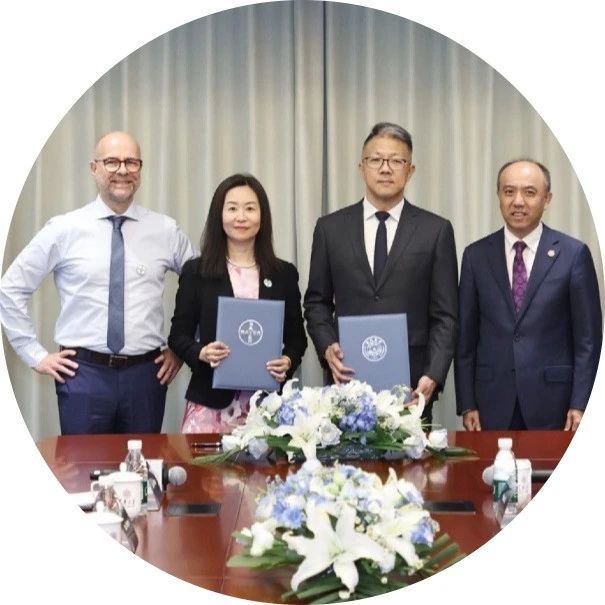
拜耳与清华大学持续深化科研合作,加速推进前沿科学与药物创新转化
生物世界· 2025-06-25 02:55
Core Viewpoint - Bayer and Tsinghua University have signed the sixth phase of their strategic research cooperation agreement, aiming to enhance the translation of basic research into new drug development across multiple key areas such as oncology, cardiovascular and renal diseases, neurology, rare diseases, and immunology [1][3]. Group 1: Research Collaboration - Bayer will continue to fund joint research projects for the next three years and reward Tsinghua University scientists who make significant contributions in life sciences and drug innovation [2]. - Since 2009, Bayer has collaborated with Tsinghua University on 75 joint research projects, resulting in 15 co-authored papers published in renowned international academic journals [3]. - The establishment of the "Bayer Research Transformation Fund" in 2022 has supported 9 projects in the past three years, further enhancing the translation of early research outcomes [3]. Group 2: Innovation and Development - Bayer's collaboration with Tsinghua University is seen as a model for cooperation between multinational pharmaceutical companies and local academic institutions in China, contributing to significant advancements in scientific research and drug development [4]. - The partnership aims to address global health challenges and accelerate the conversion of basic research into drug applications, marking an important milestone in their long-term strategic cooperation [4]. - Bayer emphasizes its commitment to local research collaboration and supports the transformation of original innovations and new drug development in China [5]. Group 3: Local Ecosystem Engagement - As China becomes a major source of biotechnological innovation, Bayer is actively integrating into the local innovation ecosystem and exploring open innovation with Chinese partners [6]. - Bayer Co.Lab, set to open in September 2024, aims to empower 10 to 15 local startups focusing on cutting-edge innovations in oncology, cardiovascular and renal diseases, and cell and gene therapies [6]. - Bayer has entered a global licensing agreement with a Chinese biotechnology company for a selective oral small molecule PRMT5 inhibitor targeting MTAP-deficient tumors, with the first patient already recruited for Phase I clinical trials [6].