药驾

Search documents
省疾控局提示:春节出行 警惕药驾
Shan Xi Ri Bao· 2026-02-18 23:36
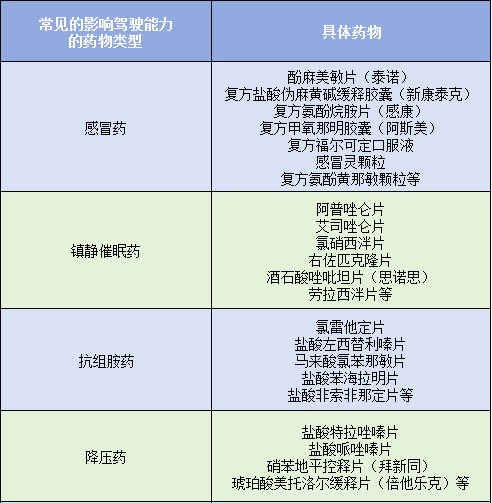
Core Viewpoint - The article emphasizes the dangers of "drug driving," which refers to driving after taking medications that can impair driving ability, highlighting that it can be as hazardous as drunk driving [2]. Group 1: Definition and Impact of "Drug Driving" - "Drug driving" is defined as driving after consuming medications that may affect driving safety, with domestic data indicating that approximately 10% of traffic accidents are caused by "drug driving" [2]. - International studies reveal that over half of individuals involved in severe traffic accidents have detectable levels of drugs in their system [2]. Group 2: Vulnerable Populations and Triggers - Young individuals who are less familiar with medications and their side effects are particularly at risk, as they may not recognize the impairment until it is too late [3]. - Older adults who take multiple medications, especially during festive seasons, are also at increased risk of "drug driving" due to potential interactions and overdosing [3]. Group 3: Medications Associated with "Drug Driving" - Common household medications that can lead to "drug driving" include: - Cold and allergy medications, such as "Pyrilamine" and "New Kantek," which often contain chlorpheniramine maleate that can cause drowsiness [4]. - Sleep aids and sedatives, like "Diazepam" and "Eszopiclone," which can result in a hangover effect the following day [4]. - Pain relievers, such as Ibuprofen and Indomethacin, which may cause dizziness [5]. - Cough medications, including Dextromethorphan and Pentoxyverine, which can impair vision [5]. - Blood pressure and diabetes medications that may lead to sudden fainting or confusion if they cause low blood pressure or hypoglycemia [5]. - "Huo Xiang Zheng Qi Shui," a common remedy that contains 40%-50% alcohol, which can lead to intoxication if consumed before driving [5]. Group 4: Prevention Strategies - To prevent "drug driving," individuals should: - Proactively ask healthcare providers about the effects of medications on driving before taking them [6]. - Read medication instructions carefully, especially warnings against operating vehicles [6]. - Allow sufficient time, ideally 6 to 8 hours, after taking medication before driving, particularly for sedative medications [6].
健康过大年“药”平安,请接收“春节假期安全用药锦囊”
Xin Lang Cai Jing· 2026-02-16 11:55
Core Viewpoint - The article emphasizes the importance of safe and scientific medication use during the Chinese New Year, particularly for patients with chronic diseases, while also highlighting the risks associated with certain medications that may impair driving ability [1][2]. Group 1: Chronic Disease Management - Patients with chronic diseases such as hypertension, diabetes, and coronary heart disease should maintain regular medication schedules during the holiday to avoid serious health risks [2]. - It is advised to prepare sufficient medication in advance and monitor blood pressure and blood sugar levels more closely due to potential dietary changes during the festive period [2]. Group 2: Medication and Driving Safety - Certain medications can impair driving ability, including common cold medications, sedatives, antihistamines, antihypertensives, and antidiabetics, which may cause dizziness, drowsiness, or low blood sugar [3][4][5]. - A list of specific medications that affect driving safety is provided, including various cold medications, sedatives, antihistamines, antihypertensives, and antidiabetics [6]. Group 3: Alcohol Interaction with Medications - The article warns against the dangerous interactions between alcohol and certain medications, such as antibiotics, sedatives, and antidiabetics, which can lead to severe health issues [7][8][9]. - It is recommended to completely avoid alcohol while on medication to prevent adverse reactions [10]. Group 4: Home Medicine Cabinet Maintenance - Families are encouraged to regularly check and organize their medicine cabinets, ensuring that expired medications are disposed of and that essential medications are stocked [11][12][13][14]. - A four-step method for organizing the medicine cabinet is suggested, including checking expiration dates, categorizing medications, replenishing supplies, and ensuring proper storage conditions [12][13][14].