
双硫仑样反应

Search documents
健康过大年“药”平安,请接收“春节假期安全用药锦囊”
Xin Lang Cai Jing· 2026-02-16 11:55
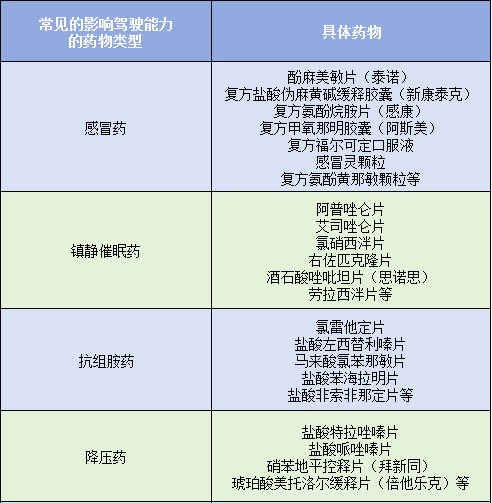
Core Viewpoint - The article emphasizes the importance of safe and scientific medication use during the Chinese New Year, particularly for patients with chronic diseases, while also highlighting the risks associated with certain medications that may impair driving ability [1][2]. Group 1: Chronic Disease Management - Patients with chronic diseases such as hypertension, diabetes, and coronary heart disease should maintain regular medication schedules during the holiday to avoid serious health risks [2]. - It is advised to prepare sufficient medication in advance and monitor blood pressure and blood sugar levels more closely due to potential dietary changes during the festive period [2]. Group 2: Medication and Driving Safety - Certain medications can impair driving ability, including common cold medications, sedatives, antihistamines, antihypertensives, and antidiabetics, which may cause dizziness, drowsiness, or low blood sugar [3][4][5]. - A list of specific medications that affect driving safety is provided, including various cold medications, sedatives, antihistamines, antihypertensives, and antidiabetics [6]. Group 3: Alcohol Interaction with Medications - The article warns against the dangerous interactions between alcohol and certain medications, such as antibiotics, sedatives, and antidiabetics, which can lead to severe health issues [7][8][9]. - It is recommended to completely avoid alcohol while on medication to prevent adverse reactions [10]. Group 4: Home Medicine Cabinet Maintenance - Families are encouraged to regularly check and organize their medicine cabinets, ensuring that expired medications are disposed of and that essential medications are stocked [11][12][13][14]. - A four-step method for organizing the medicine cabinet is suggested, including checking expiration dates, categorizing medications, replenishing supplies, and ensuring proper storage conditions [12][13][14].

【帮帮】急诊科医生提醒:春节期间 警惕这些“节日杀手”
Nei Meng Gu Ri Bao· 2026-02-09 05:25
Core Viewpoint - The article emphasizes the health risks associated with certain medications and alcohol consumption during the festive season, particularly highlighting the dangers of disulfiram-like reactions and other medical emergencies that can arise from holiday indulgences [4][8]. Group 1: Health Risks from Medication and Alcohol - Patients taking antibiotics such as cephalosporins, metronidazole, and others should avoid alcohol for at least seven days after stopping the medication to prevent severe disulfiram-like reactions [4][8]. - A case is presented where a 30-year-old patient experienced a disulfiram-like reaction after consuming alcohol three days post-antibiotic treatment, leading to a medical emergency [4][6]. Group 2: Emergency Cases During the Festive Season - A 50-year-old patient suffered an acute myocardial infarction after excessive drinking and late-night activities, highlighting the risks of overindulgence during celebrations [6]. - An 80-year-old man faced choking during a family dinner, requiring immediate emergency response to clear the obstruction and save his life [7]. - A 38-year-old man developed acute necrotizing pancreatitis after consuming a mix of alcohol and fatty foods, illustrating the dangers of heavy eating and drinking [8]. Group 3: Recommendations for Health Safety - Individuals with pre-existing conditions such as hypertension or coronary heart disease should adhere to medical advice, avoid excessive stress, and maintain a balanced diet during the festive season [8]. - It is advised that older adults and children chew food thoroughly to prevent choking, especially on sticky or large pieces of food [8]. - The article stresses the importance of avoiding binge eating and drinking, particularly high-fat and high-protein foods, to prevent acute pancreatitis [8].
小伙服甲硝唑后饮酒险丧命 医生提醒:吃药不喝酒喝酒不吃药
Xin Lang Cai Jing· 2026-02-08 02:03
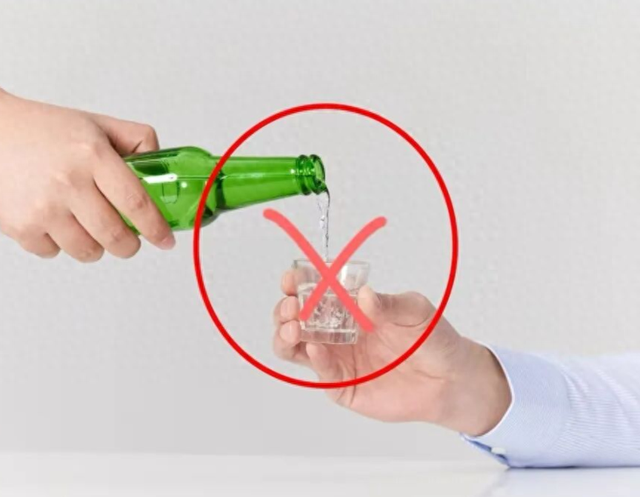
Group 1 - A 30-year-old man in Nanjing experienced severe health complications after consuming alcohol while taking Metronidazole, leading to liver failure [1] - The patient was admitted with altered consciousness and strong alcohol odor, and after treatment, he developed hepatic encephalopathy, failing to recognize even his parents [1] - Medical staff managed to stabilize the patient after five days of intensive care, and he has since recovered and been discharged [1] Group 2 - Doctors warn against the dangerous combination of alcohol with certain medications, including Metronidazole and other drugs like hypoglycemics, antihypertensives, sedatives, and sleeping pills [1] - The principle of "do not drink alcohol while taking medication and do not take medication while drinking alcohol" is emphasized as a basic safety guideline [1]
男子吃甲硝唑后喝酒确诊肝衰竭,抢救5天才脱离生命危险
Xin Lang Cai Jing· 2026-02-07 15:35
Group 1 - A man in his 30s in Nanjing, Jiangsu, experienced liver failure after consuming metronidazole and alcohol, leading to a five-day hospitalization before stabilizing [1] - Medical professionals emphasize the dangers of combining metronidazole and alcohol, similar to the known risks of alcohol with cephalosporins [1] - The principle of "no alcohol with medication" is reiterated, highlighting that various medications, including antidiabetics, antihypertensives, sedatives, and sleeping pills, should not be mixed with alcohol [1]