葡萄酒年轻化

Search documents
19个畅销榜榜单第一!张裕长尾猫抢到白葡萄酒先机
Jin Rong Jie· 2026-01-29 10:46
葡萄酒的年轻化,不是简单地把酒瓶做小、酒标做潮,而是一场从文化叙事到消费场景的彻底革新。 "偶尔撸个猫 立马不紧绷",当张裕长尾猫白葡萄酒遇见新生代演员林允,一场葡萄酒消费变革正在悄然发生。 张裕长尾猫品牌代言人、松弛生活发言人——林允。 数据显示,长尾猫白葡萄酒上市不足一年,却在2025年拿下中国电商平台19个畅销榜榜单第一。在传统葡萄酒市场增长放缓的背景下,这只"长尾猫"究竟触 动了年轻消费者哪根神经? 值得关注的是,此次林允不仅是张裕长尾猫品牌代言人,也是长尾猫"松弛生活发言人",这一特殊身份背后又藏着张裕与年轻消费群体对话时怎样的巧思? 市场破局:长尾猫的"反传统"策略 在业内人士看来,2025年是中国葡萄酒市场的转型年。一方面,传统红葡萄酒消费持续收缩,另一方面,白葡萄酒消费呈现较迅猛的增长趋势。 中国葡萄酒领军者张裕敏锐地捕捉到这一趋势,在2025年3月率先推出专为年轻人打造的长尾猫白葡萄酒。 长尾猫的出现,打破了行业对葡萄酒年轻化的肤浅理解。它不是简单地在包装上做减法,而是重构产品与消费者的关系。 百年张裕全新推出的白葡萄酒品牌——长尾猫。 与白酒行业相似,长期以来,葡萄酒行业也是以传统的商务宴 ...


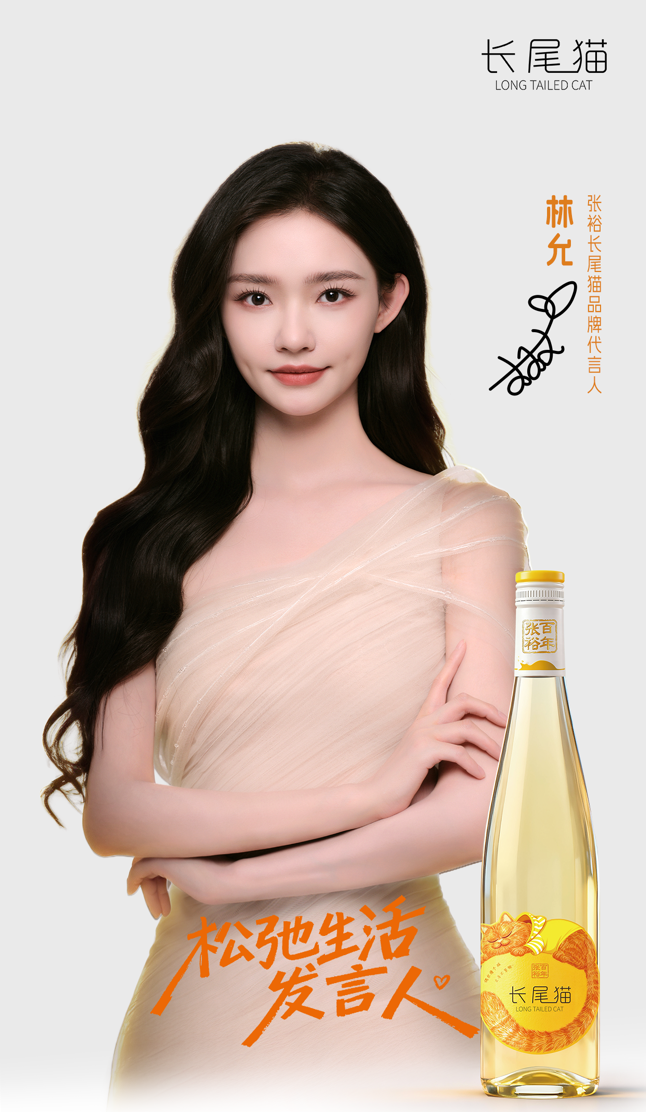
林允携手张裕长尾猫 葡萄酒年轻化打响“场景革命”
Zheng Quan Ri Bao Zhi Sheng· 2026-01-29 10:40
Core Insights - The article discusses the transformation of the Chinese wine market, particularly focusing on the younger demographic and the launch of Zhangyu's "Long Tail Cat" white wine brand as a response to changing consumer preferences [1][2]. Group 1: Market Trends - The Chinese wine market is expected to undergo a significant transformation by 2025, with traditional red wine consumption declining while white wine consumption is rapidly increasing [1]. - The characteristics of the current wine market include "youthful, self-indulgent, low-alcohol, and scenario-based" consumption [1]. Group 2: Product Features - Long Tail Cat white wine features a low alcohol content of 11°, a refreshing taste, and a price range of 30 to 50 yuan, catering to different consumer preferences with semi-sweet (C39) and semi-dry (C59) options [1]. - The product design eliminates traditional barriers to wine consumption, such as complicated opening procedures and high-pressure consumption environments, by using a screw cap for easy access [1]. Group 3: Marketing Strategy - The branding of Long Tail Cat incorporates a cute cat design and connects with the popular "cat petting" culture among young people, aligning with their desire for a relaxed and low-pressure drinking experience [2]. - Long Tail Cat actively targets non-traditional wine consumption scenarios, such as hot pot, barbecue, and seafood, addressing the needs of Chinese dining experiences [2]. - The brand has adopted a non-traditional marketing approach by focusing on e-commerce platforms, achieving top rankings in various wine categories on these platforms [2].
搜狐酒馆第28期|李德美:对葡萄酒“减少焦虑”,“喜欢”比“懂行”更重要
Sou Hu Cai Jing· 2025-07-16 01:56
Core Insights - The discussion highlights the significant price differences in wine, attributing them to the inherent attributes of the wine, distinguishing between artisanal and industrial products [3][4] - The integration of wine into Chinese dining culture and social etiquette is emphasized, showcasing its unique consumption logic in the local context [5][6] - The preferences of Generation Z are explored, indicating their desire for self-expression and emotional value rather than adherence to traditional wine knowledge [7][8] - Future trends in the wine industry suggest a deeper integration into everyday life, driven by diverse flavors, comfortable drinking experiences, and the influence of younger consumers [9][10] Price Differences and Selection Logic - Wine price variations stem from different attributes, with artisanal wines often being more expensive due to unique production methods and cultural stories, while industrial wines are mass-produced and more affordable [3][4] - Establishing a "trust chain" is crucial for consumers when selecting wine, which can be achieved through recommendations from trusted individuals, reliable platforms, and experiential learning [4] Localization and Cultural Integration - The localization of wine in China involves adapting to local dining customs and social rituals, allowing for a seamless integration into various culinary contexts [5][6] - The historical context of wine in China shows a long-standing relationship with grape-based beverages, which has evolved over time [6] Generation Z Preferences - Generation Z's core demand for self-expression and emotional connection means that wine marketing should focus on these aspects rather than traditional authoritative narratives [7] - The natural wine trend resonates with younger consumers due to its lack of rigid standards and emphasis on personal experience [7] Cross-Industry Trends and Future Outlook - The potential for cross-industry collaborations in wine is significant, with opportunities for both scene-based and product-based partnerships that align with the essence of wine [8] - The next decade is expected to see wine becoming a common choice in social settings, driven by its versatility, comfort in consumption, and the rising influence of younger demographics [9][10] Entry-Level Guidance for New Consumers - New consumers are advised to start with well-known brands to build confidence, participate in tasting events, and choose wines based on the context of consumption [11] - The focus should be on enjoyment rather than expertise, encouraging a relaxed approach to wine appreciation [11]