血管斑块

Search documents
你的血管正在悄悄长斑变硬!这样做,“斑块”可能缩小甚至消失
Xin Lang Cai Jing· 2026-01-03 07:56
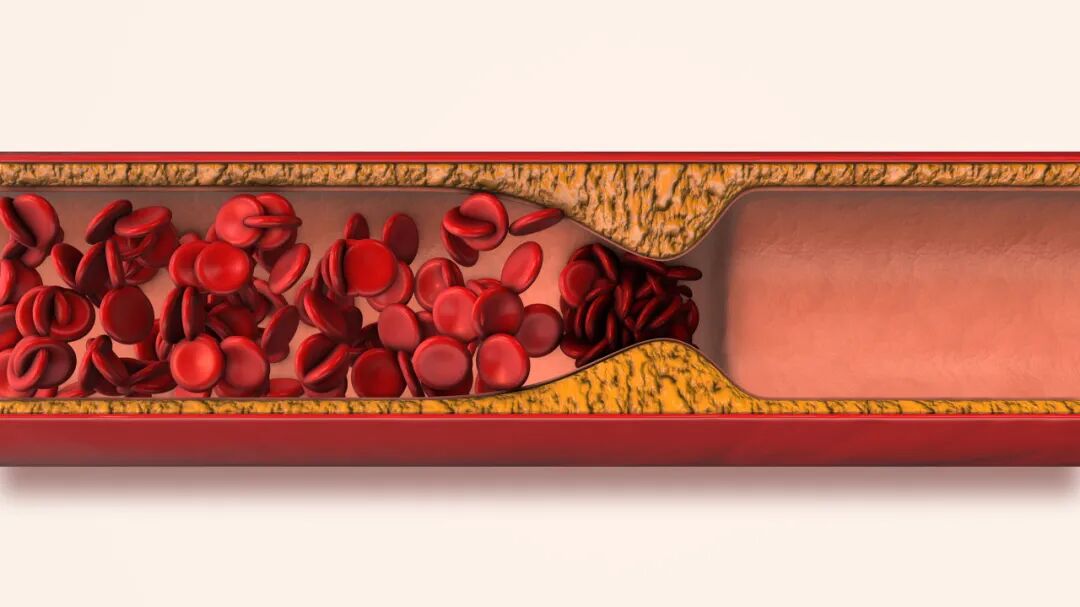
Group 1 - The article discusses the formation of vascular plaques, which are composed of lipids, connective tissue, and other solid components from the blood, and highlights that their development is a result of multiple factors over time [3][6] - Key risk factors for the formation of plaques include age, smoking status, gender, fasting blood sugar levels, hypertension history, and genetic predisposition [3][4] - Unhealthy dietary habits, such as high-fat diets, contribute to plaque formation by providing materials for their development and continuously irritating the blood vessel walls [3] Group 2 - Recent studies indicate that vascular plaques can potentially shrink or even disappear, challenging the long-held belief that once formed, they are irreversible [7] - A study from a hospital in Barcelona followed 1,529 individuals with plaques over six years, revealing that 8% (123 individuals) experienced complete plaque disappearance, often linked to factors like non-smoking, youth, female gender, and lower levels of LDL-C and fibrinogen [7][9] - Comprehensive intervention measures, including lifestyle changes, medication, and regular medical monitoring, can help control the size of vascular plaques and may lead to their reduction [9] Group 3 - Preventive measures to avoid plaque formation include a balanced diet rich in fresh vegetables and whole grains, regular physical activity, smoking cessation, alcohol moderation, weight control, and good sleep hygiene [10][11] - For individuals with diabetes and hypertension, it is crucial to manage blood pressure and blood sugar levels to reduce the risk of plaque formation [12] - Overall, adopting a proactive lifestyle and undergoing regular health check-ups can significantly lower the risk of plaque development and maintain vascular health [12]

血管为何长斑变硬?这样做“斑块”可能缩小甚至消失
Xin Lang Cai Jing· 2026-01-02 09:14
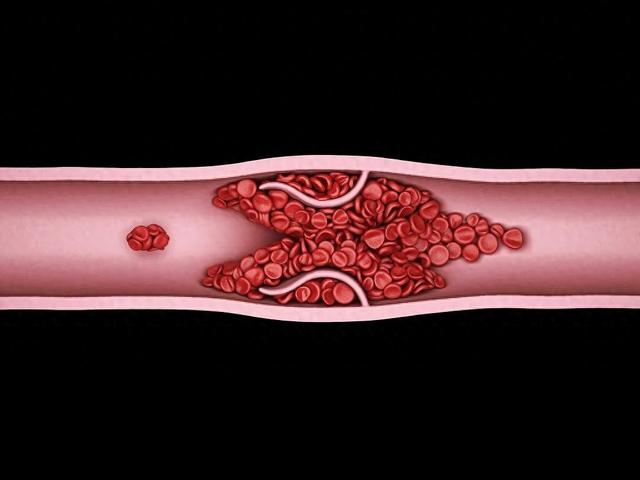
Core Viewpoint - The article discusses the hidden health risks posed by vascular plaques, their formation, potential for reversal, and preventive measures to maintain vascular health [1][5]. Group 1: Factors Leading to Plaque Formation - Plaques are composed of lipids, connective tissue, and other solid components from the blood, adhering to the vascular walls [3]. - Key risk factors for carotid plaque formation include age, smoking status, gender, fasting blood glucose levels, and history of hypertension [3]. - Unhealthy dietary habits, such as high-fat diets, contribute to plaque formation by providing materials and continuously irritating the vascular walls [3]. - Hypertension and hyperglycemia increase pressure and damage to the vascular walls, creating a conducive environment for plaque development [3]. - Smoking alters lipid metabolism, increases plaque materials, affects blood pressure, and damages vascular walls [3]. - Genetic predisposition plays a role, with a family history of cardiovascular diseases increasing risk [3]. Group 2: Risks Associated with Plaques - Individuals with these risk factors are considered high-risk for plaque formation and should take preventive measures [5]. - Plaques are not merely blockages but are precursors to serious diseases such as heart disease and stroke [5]. - Enlarged or dislodged plaques can lead to impaired blood flow or complete blockage, posing severe health risks, including sudden death [5]. Group 3: Reversal of Plaque Formation - Recent studies suggest that vascular plaques can potentially shrink or disappear, challenging the long-held belief that they are irreversible [6]. - A study from a hospital in Barcelona followed 1,529 individuals with plaques over six years, finding that 8% (123 individuals) had complete plaque disappearance, often linked to non-smoking, younger age, female gender, and lower levels of LDL-C and fibrinogen [6]. - Early detection through regular cardiovascular health checks is crucial for timely intervention and potential plaque reversal [6]. - Comprehensive interventions, including lifestyle changes, medication, and regular monitoring, can control plaque size and, in some cases, lead to reduction [6]. Group 4: Preventive Measures - Preventive strategies include a balanced diet rich in fresh vegetables, whole grains, and fiber, while reducing saturated fats, salt, cholesterol, and trans fats [7]. - Regular physical activity, such as walking, jogging, swimming, or cycling, is essential, starting from low intensity for those who are sedentary [7]. - Quitting smoking, limiting alcohol intake, controlling weight, and ensuring good sleep are critical for vascular health [8]. - For individuals with diabetes and hypertension, managing blood pressure and blood sugar levels is necessary [9]. - Active lifestyle changes, appropriate medical interventions, and regular health checks can significantly reduce plaque risks and maintain vascular health [9].
你的血管正在悄悄长斑变硬!这样做,“斑块”可能缩小甚至消失……
Xin Lang Cai Jing· 2026-01-02 08:11
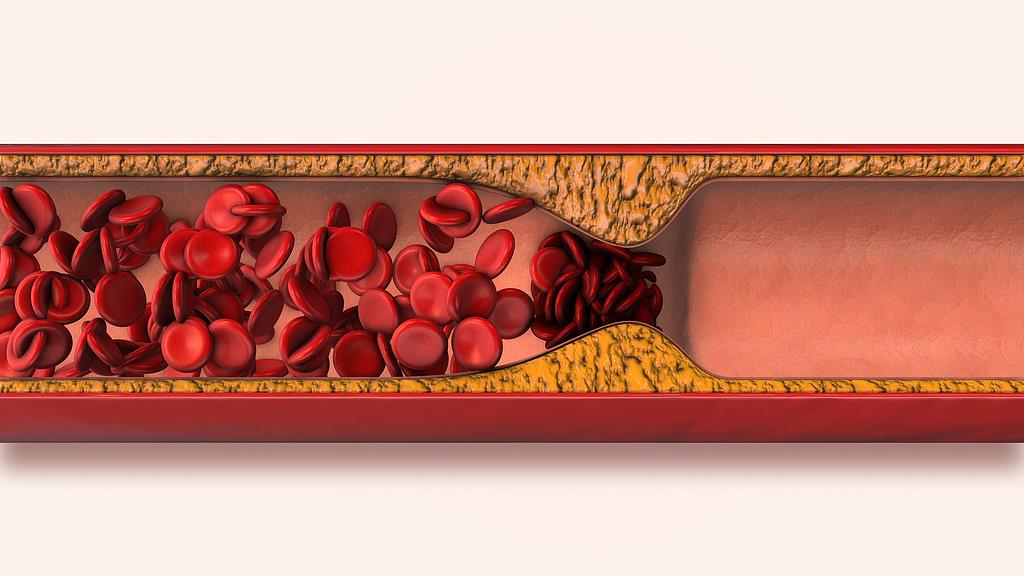
Core Viewpoint - The article discusses the hidden health risks posed by vascular plaques, their formation, and potential methods for prevention and reversal of these plaques, emphasizing the importance of lifestyle changes and medical interventions for maintaining vascular health. Group 1: Factors Leading to Plaque Formation - Plaques are composed of lipids, connective tissue, and other solid components from the blood, adhering to the vascular walls, and their formation is a result of multiple factors [3] - A community survey in Beijing identified age, smoking status, gender, fasting blood glucose levels, and history of hypertension as significant risk factors for carotid plaques [4] - Unhealthy dietary habits, particularly high-fat diets, contribute to plaque formation by providing materials and continuously irritating the vascular walls [4] - Hypertension and hyperglycemia act as "silent killers," increasing pressure and damage to the vascular walls, creating a conducive environment for plaque formation [5] - Long-term smoking alters lipid metabolism, increasing plaque materials and affecting blood pressure and vascular wall integrity [6] - Genetic predisposition plays a role, with a family history of cardiovascular diseases increasing the risk of plaque formation [7] Group 2: Risks Associated with Plaque Formation - Individuals with risk factors for plaque formation are considered high-risk and should take preventive measures, as plaques can lead to serious conditions like heart disease and stroke [9] - The growth or detachment of plaques can obstruct blood flow, potentially resulting in severe health crises, including sudden death [9] Group 3: Reversal and Management of Plaques - Recent studies challenge the belief that once plaques form, they cannot be reversed; research from a hospital in Barcelona found that 8% of participants had complete plaque disappearance after six years, often linked to non-smoking, younger age, female gender, and lower levels of LDL-C and fibrinogen [11] - Early detection through regular cardiovascular health checks, such as ultrasounds, is crucial for timely intervention and potential plaque reversal [11] Group 4: Prevention Strategies - Preventive measures include a balanced diet rich in fresh vegetables, whole grains, and fiber, while reducing saturated fats, salt, cholesterol, and trans fats [12] - Regular physical activity, starting from low intensity for sedentary individuals, is essential for maintaining vascular health [12] - Quitting smoking, limiting alcohol intake, controlling weight, and ensuring good sleep are critical lifestyle changes [12] - For individuals with diabetes and hypertension, managing blood pressure and blood sugar levels is vital [13]