行业格局重构

Search documents
中免否决日上内幕曝光:免税巨头博弈下的上海机场变局
Sou Hu Cai Jing· 2025-12-12 11:50
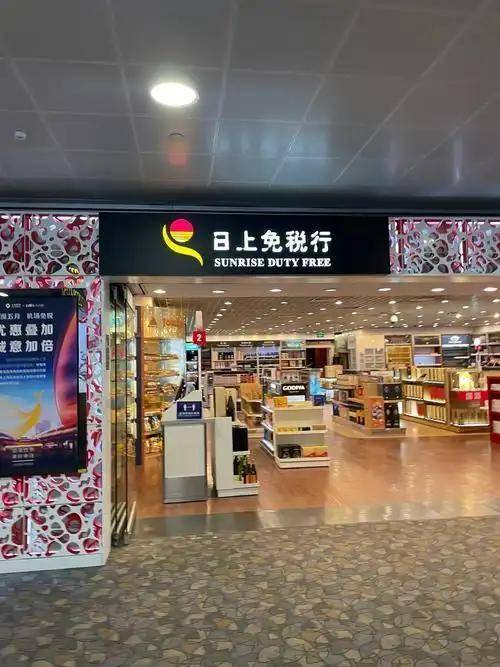
Core Viewpoint - The potential withdrawal of Japan Duty Free from Shanghai Airport signifies a major shift in the duty-free industry, driven by strategic maneuvers from its controlling shareholder, China Duty Free Group, aiming to reshape the competitive landscape worth hundreds of billions [2]. Group 1: Boardroom Dynamics - In the 2023 Shanghai Airport duty-free bidding, Japan Duty Free's proposal was rejected by four directors from the China Duty Free Group, indicating a strategic shift orchestrated by the latter [2]. - China Duty Free Group acquired a 51% stake in Japan Duty Free for 1.505 billion yuan in 2018, establishing control over decision-making through board appointments [2]. - The current management, primarily from the original shareholder's family, favors continuing the existing partnership with Shanghai Airport, contrasting with China Duty Free's desire for a complete overhaul of the profit distribution mechanism [2]. Group 2: Market Dynamics - Shanghai Airport is crucial for China Duty Free, with its duty-free revenue skyrocketing by 400% to 1.788 billion yuan in 2023, amidst a 7.34% decline in overall group revenue, making it a vital cash flow source [3]. - China Duty Free aims to eliminate Japan Duty Free as a middleman to maximize profits by directly engaging with the airport [3]. - The competition for business control is intensifying, as Japan Duty Free previously managed core operations at major airports, while China Duty Free seeks to integrate Shanghai Airport into its direct network following its acquisition of a duty-free license in Hainan [3]. Group 3: Industry Implications - The bidding results for Hongqiao T1 show a reduction in fixed fees to 2,827 yuan per square meter per month, with commission rates between 8% and 22%, reflecting China Duty Free's strategy to balance short-term gains with long-term objectives [4]. - For consumers, direct management by China Duty Free may lead to a more unified pricing system, although there may be short-term service integration challenges [5]. - The end of the "minimum rent" model signifies a new era of shared risk between airports and operators, marking a significant industry transition [5]. - The expansion of the third phase of Sanya Duty-Free City accelerates the formation of a new north-south dynamic between Hainan and Shanghai [5].