视觉文化

Search documents
记忆术的变迁:福州照相馆掠影
Xin Lang Cai Jing· 2026-01-16 23:10
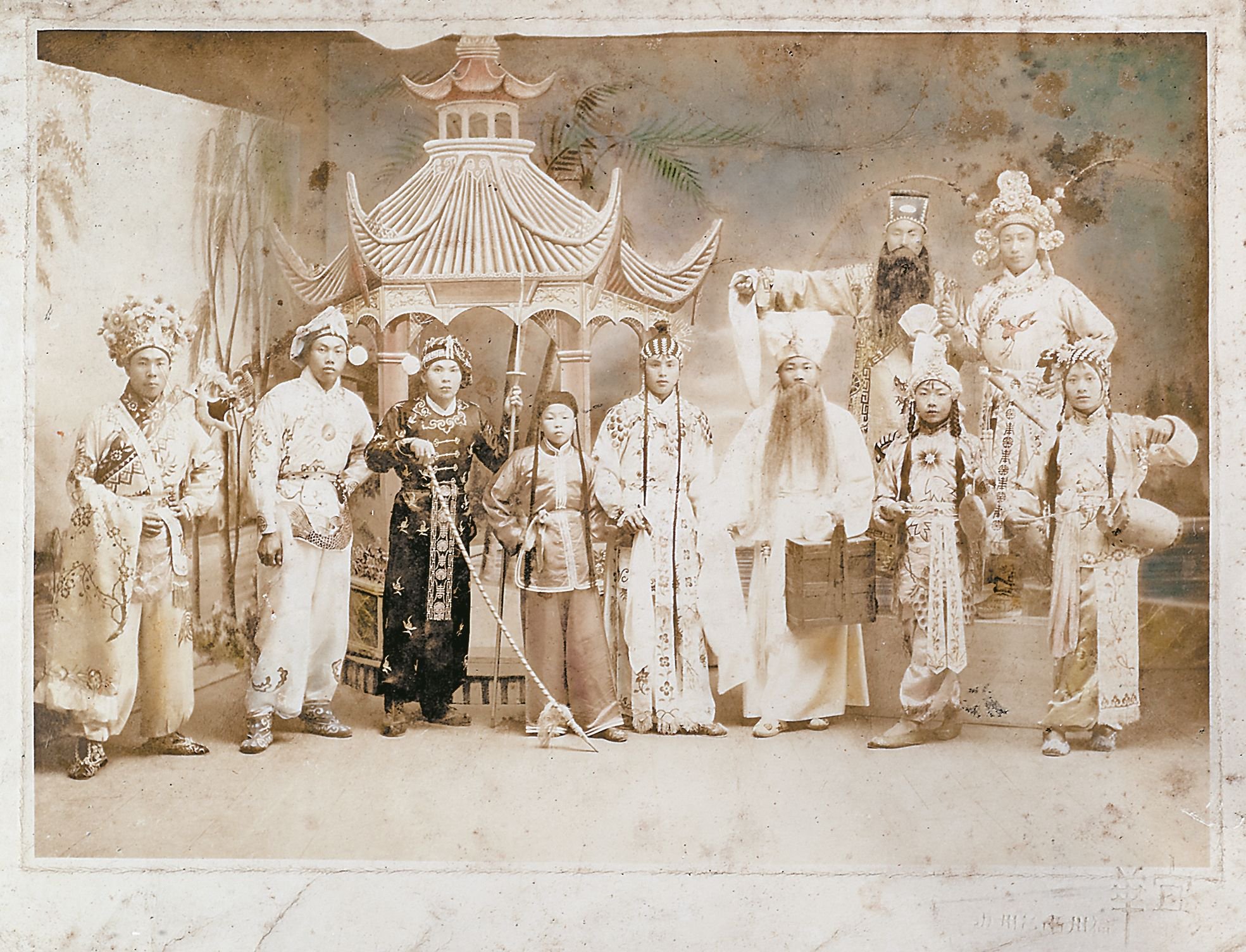
Core Insights - The article discusses the historical evolution of photography studios in Fuzhou, highlighting their significance in visual culture and memory as photography transitioned from a professional craft to a common practice with the advent of digital cameras and smartphones [5][13]. Historical Development - Fuzhou was one of the first cities in China to introduce photography, with early studios established in the mid-19th century, such as "Schenk" and "Lushanxuan," which were operated by foreign photographers [6][7]. - The first peak in the establishment of photography studios in Fuzhou occurred in the 1920s, with notable studios like "Jingzhongtian" and "Jixing" emerging during this period [9]. Cultural Significance - Photography studios in Fuzhou served as a reflection of the cultural exchange between Eastern and Western influences, showcasing a blend of traditional Chinese and modern Western aesthetics in their portraits [7][10]. - The studios played a crucial role in shaping individual and family memories, with the practice of portrait photography becoming a means of self-affirmation and cultural identity [10][13]. Technological Advancements - The introduction of electric lighting in studios as early as 1911 marked a significant technological advancement, although the full adoption of lighting techniques lagged behind major cities like Shanghai and Beijing [10]. - The transition to "artistic photography" in the 1930s emphasized the subject over elaborate backgrounds, reflecting a growing sense of national confidence and individual expression [10]. Economic and Social Changes - The photography industry in Fuzhou faced significant challenges during the Second Sino-Japanese War, leading to the closure of many studios, but experienced a resurgence after the war [11]. - Post-1949, the photography industry underwent nationalization and was managed by welfare companies, with a notable number of studios operating under cooperative models [12]. Modern Context - The rise of digital photography has transformed the landscape of memory and documentation, leading to a decline in traditional photography studios as individuals increasingly rely on smartphones for capturing moments [13]. - The article suggests a need to reassess the historical role of photography studios in the context of memory and identity, as the shift to digital formats has altered the way memories are preserved and recalled [13].

8月人文社科联合书单|“视而不见”:近代中国视觉文化
Xin Lang Cai Jing· 2025-08-28 03:19
Group 1 - The book "Modern Chinese Visual Culture" examines specific issues within modern visual culture, focusing on various media such as illustrated magazines, advertisements, and films, addressing core questions about who sees, how they see, and what can be seen [2] - "1848: The Year of European Revolutions" discusses the widespread impact of the 1848 revolutions across Europe, despite their short duration and ultimate failure, highlighting their lasting influence on public life and political thought [4] - "Tea Houses: Public Life and Microcosm in Chengdu (1950-2000)" explores the rise and fall of public culture through the lens of tea houses in Chengdu, reflecting on significant societal changes in China over half a century [6] Group 2 - "The Business of Empire: The Birth of the British East India Company" reveals how the East India Company established a unique position in British commercial and political ambitions, influencing the origins of the early modern British state and its imperial expansion [8] - "The Possibilities of Development: Agricultural Modernization in the US and Mexico Before and After WWII" discusses the similarities between the agricultural sectors of the American South and Mexico, emphasizing their mutual influence during the 1930s and 1940s [10] - "The Art of War: Mongolian Warfare" challenges common perceptions of the Mongolian army, illustrating their success through strategic planning and execution rather than sheer force [12] Group 3 - "The Twin Melons: The Emperor and Subjects in the Ming Dynasty" provides a micro-level interpretation of the power dynamics between the emperor, court officials, and local authorities through the lens of a seemingly trivial event involving a pair of twin melons [14] - "The Light of the Netherlands: The Huygens Family and the Formation of European Science" focuses on the contributions of Christian Huygens in various scientific fields during the Dutch Golden Age, highlighting his interactions with other prominent scientists [16] - "The Spring and Autumn of Silverware" explores the aesthetic trends and societal influences on silverware during the Tang, Song, and Ming dynasties, supported by over 800 images [18] Group 4 - "The History of Hurricanes in North America" chronicles the impact of hurricanes on North American land and society over five centuries, utilizing extensive meteorological data [20] - "Continental Divide: Heidegger and Cassirer in Davos" analyzes the philosophical confrontation between Cassirer and Heidegger, emphasizing its significance in 20th-century European thought [22] - "Europe in Crisis: Churchill, Orwell, and the Fight for Freedom" presents a dual biography of Churchill and Orwell, focusing on their struggles against fascism and their contributions to the understanding of their era [23]