摄影

Search documents
26年春节长假前三日上海消费投诉9184 件
Xin Lang Cai Jing· 2026-02-18 11:06
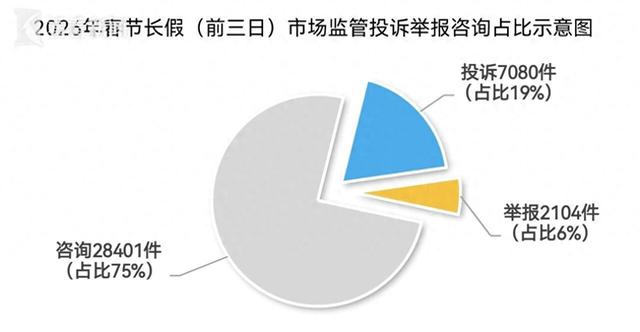
Group 1 - The core viewpoint of the article highlights the smooth operation of consumer rights protection during the holiday period, with a total of 9,184 complaints and 28,401 consultations received in the first three days of the holiday [1][3] - The market regulatory department has intensified enforcement and consumer rights services to ensure a safe and harmonious holiday for citizens [3] Group 2 - Online consumption complaints accounted for 89.5% of the total complaints, with issues primarily related to quality defects, discrepancies with promotions, order cancellations, and delivery delays [4] - Specific complaints included a case where a consumer received a product that did not match the advertised material [4] Group 3 - Complaints related to traditional holiday dining, such as New Year's Eve dinner orders, remained stable with 27 complaints reported, mainly concerning order disputes and delivery delays [5] - An example included a consumer who faced delays in receiving their ordered New Year's Eve meal from a chain supermarket [5] Group 4 - There was an increase in complaints related to green consumption, with 198 cases reported, reflecting a growing awareness of low-carbon and environmentally friendly practices [6] - Issues included shared consumption and violations of plastic restrictions, with a notable case involving a consumer unable to rent a camera for holiday photography [6] Group 5 - All reported complaints have been forwarded to the respective district market regulatory departments for investigation and resolution [7]

“史上最长春节假期”发力促消费,有奖发票将兑现超10亿元真金白银,20亿元新春大礼包来了
Sou Hu Cai Jing· 2026-02-12 13:12
Core Viewpoint - The Chinese government is implementing a series of measures to boost consumer spending during the upcoming Spring Festival, including financial support and promotional activities aimed at enhancing holiday consumption [2][3][5]. Group 1: Consumer Promotion Initiatives - The Ministry of Commerce has launched a special "Spring Festival Shopping" campaign, which includes three major initiatives to stimulate consumer spending [3]. - The first initiative involves a subsidy program with an allocation of 62.5 billion yuan to support consumers in exchanging old products for new ones during the holiday period [3][4]. - The second initiative is a lottery for consumers who obtain invoices over 100 yuan in 50 pilot cities, with a total prize pool exceeding 1 billion yuan during the Spring Festival [4]. - The third initiative focuses on financial support, encouraging financial institutions to offer various discounts and loans to promote spending in sectors such as travel, dining, and entertainment [4]. Group 2: Economic Context and Long-term Strategies - The Chinese economy is increasingly relying on consumer spending as a key driver of growth, with recent policies aimed at expanding domestic demand [5][6]. - The government is working on a long-term plan to enhance consumer spending, including the development of new consumption growth points in various service sectors [6]. - Experts suggest that optimizing income distribution and implementing targeted cash voucher policies could effectively stimulate immediate consumer demand [6].

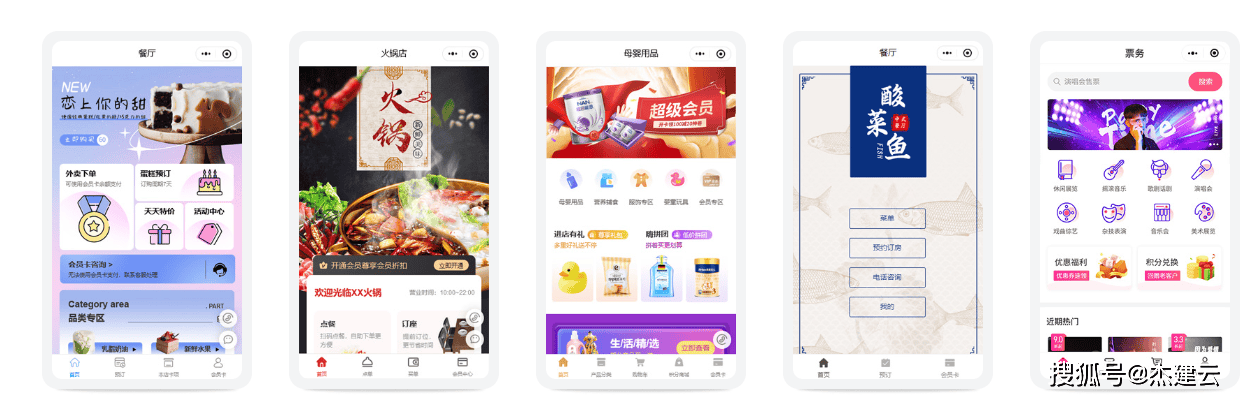
强依赖人工服务的门店,适合小程序吗?
Sou Hu Cai Jing· 2026-02-12 05:20
Core Insights - The necessity of mini-programs in service-oriented stores depends on whether human services have become a bottleneck in operations [1][5][14] Group 1: Digital Tools and Their Roles - Different platforms serve distinct roles based on the core issues faced by service-oriented businesses, such as showcasing professional capabilities or managing service processes [2] - Common concerns among service-oriented store owners regarding mini-programs include fears of damaging service experience, reluctance to change familiar processes, and misunderstanding the management benefits of digital tools [3][12] Group 2: Operational Phases and Digitalization - In the initial phase with limited customer flow, businesses can focus on service quality without immediate systemization [6] - As customer numbers grow, mini-programs can help standardize processes and reduce human errors [6] - During stable growth, digital tools can help accumulate data for future expansion or replication [6][7] Group 3: Management Challenges - Common pain points in service-oriented stores include appointment conflicts, chaotic employee commission statistics, and scattered customer information [10][11] - If these management issues frequently arise, it indicates a need for structural upgrades [12] Group 4: The Role of Mini-Programs - Mini-programs are not meant to replace human services but to allow personnel to focus more on service delivery by reducing management friction [14]
面对AI,请守住创作初心
Xin Lang Cai Jing· 2026-01-30 18:44
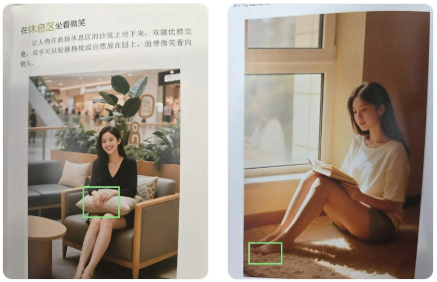
Core Viewpoint - The rapid advancement of AI technology is challenging the integrity of the photography industry, as evidenced by the emergence of AI-generated content that misleads audiences and undermines the authenticity of photographic art [4][5]. Group 1: Issues in Photography - A recent incident highlighted that a photography guidebook contained numerous AI-generated images, which detracted from its educational value and could mislead readers' aesthetic understanding [4]. - Various photography competitions have faced controversies due to AI-generated entries, with instances of disqualification due to evident flaws in the submissions [4]. Group 2: The Role of AI in Creativity - While AI has the potential to assist creative professionals by providing diverse perspectives and expanding expressive dimensions, it should not replace the human element in artistic creation [5]. - The misuse of AI for cost-cutting and profit-seeking, leading to intentional deception, poses a significant threat to industry integrity and contradicts the foundational purpose of technology in serving creativity [5]. Group 3: Need for Regulation - The rapid pace of technological advancement outstrips the development of regulatory frameworks, necessitating collaborative efforts to establish clear standards for AI use in photography [5]. - Industry associations are urged to create definitive guidelines to differentiate between AI-assisted and purely AI-generated works, while platforms should enhance their content screening capabilities to prevent misinformation [5]. - Regulatory bodies must refine laws to clarify responsibilities in AI creation and hold accountable those who exploit AI for fraudulent purposes [5].

年味拉满!年节经济涌动消费新潮流
Yang Guang Wang· 2026-01-28 07:59
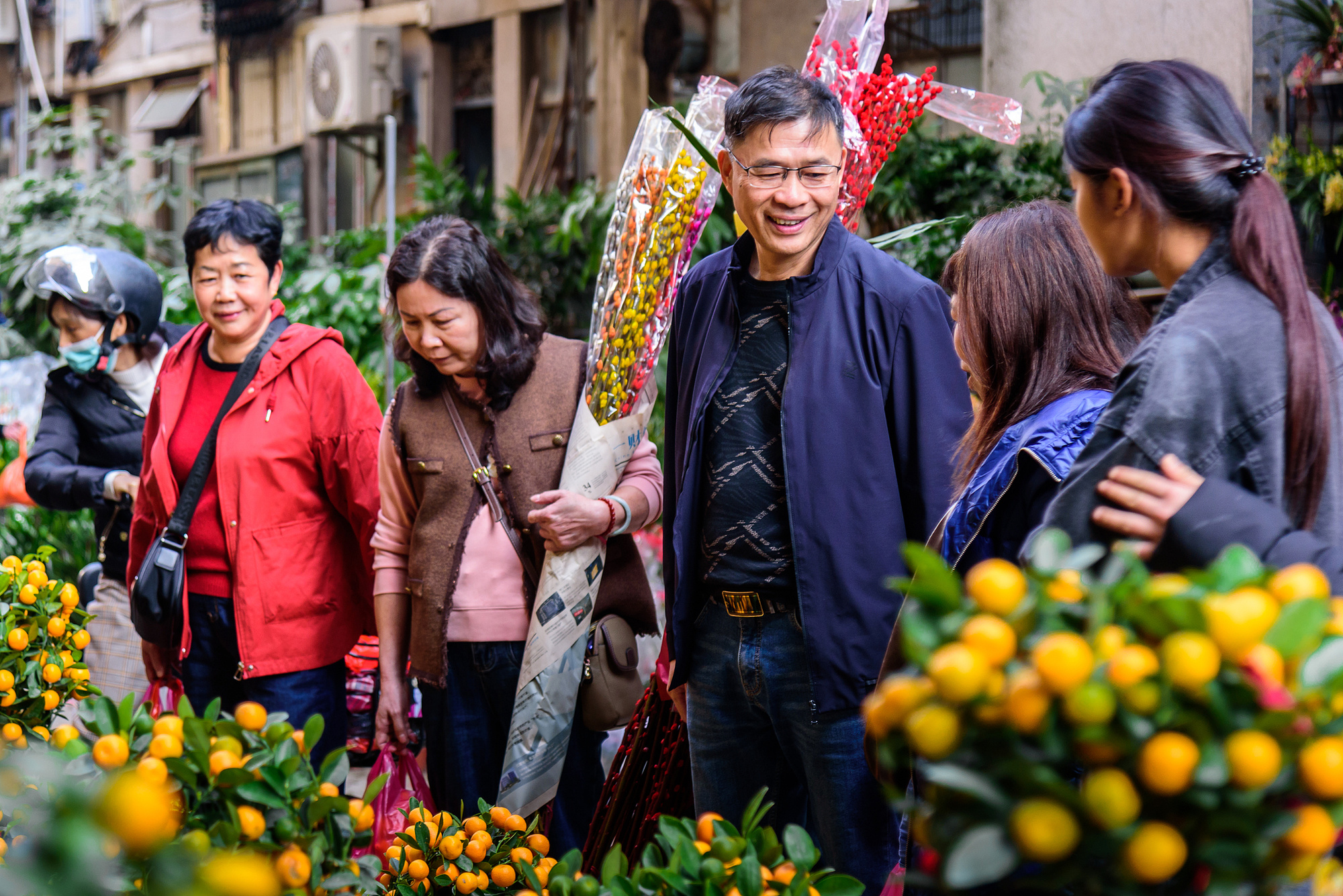
Core Insights - The Chinese New Year consumption market is experiencing significant growth and innovation this year, with new consumption scenarios and trends emerging [1][2][3] Group 1: Market Trends - The flower market is thriving, with new domestic varieties like Amaryllis and artificially cultivated orchids gaining popularity, contributing to the "flower economy" valued in the billions [1] - Traditional "supply and marketing New Year goods fairs" are attracting large crowds, with events like the Jiangsu New Year goods festival seeing over 100,000 visitors in a single day [2] - The integration of electronic consumption vouchers by local governments is enhancing consumer engagement and driving foot traffic to physical markets [2] Group 2: Consumer Behavior - Families are increasingly interested in capturing memories through family portraits during the New Year, with the family photo business growing over 30% annually [3] - New consumption highlights include family outings to cinemas for festive films and personalized services like home photography, reflecting a shift towards experiential and service-oriented consumption [3] - The evolving consumer preferences indicate a trend towards personalized, quality, and experience-driven purchases, moving from mere product consumption to a focus on cultural and emotional value [3]
好评中国丨年味拉满!年节经济涌动消费新潮流
Yang Guang Wang· 2026-01-28 05:10
Core Insights - The Chinese New Year consumption market is particularly vibrant this year, showcasing new consumption scenarios, business models, and innovative practices that reflect the robust vitality of the festive economy [1] Group 1: Flower Market - The flower market is entering a peak sales season, with popular domestic varieties like Amaryllis and artificially cultivated orchids gaining favor due to their affordability and auspicious meanings [1] - The "fresh flower economy," valued in the billions, is particularly prominent during the New Year flower season, adding warmth and novelty to the festive economy [1] Group 2: Traditional Markets and Local Products - Traditional "New Year goods fairs" are thriving nationwide, supported by electronic consumption vouchers to attract customers, with notable regional events like the "Winter Fishing Festival" in Northeast China and the "Mountain Lake Goodies" in Qinghai [3] - Local traditional products, such as painted gourds symbolizing good fortune and woodblock New Year paintings, are gaining popularity alongside trendy zodiac-themed toys [3] Group 3: Cultural Experiences and Events - The bustling atmosphere of traditional markets includes live cooking of famous local foods, cultural performances, and interactive experiences that resonate with consumers, especially the younger demographic [4] - The Ministry of Commerce reported that last year's key events for traditional brands generated over 5 billion yuan in direct sales and stimulated more than 16 billion yuan in online and offline consumption [4] Group 4: Family Activities and New Trends - Families are increasingly interested in capturing memories through family portraits, with the business growing over 30% annually, reflecting a trend towards personalized and emotional experiences [5] - New consumption highlights include family outings to cinemas for festive films, traveling for unique New Year experiences, and customized beauty services, indicating a shift towards experiential consumption [5] Group 5: Consumer Trends - The evolving consumption landscape reflects a shift from product consumption to service and experiential consumption, emphasizing cultural significance, emotional value, and spiritual satisfaction [7] - The interaction between innovative supply and changing consumer demand is fostering a positive cycle, laying a strong foundation for consumption growth throughout the year [7]
摄影师为什么砸自己的饭碗
Xin Jing Bao· 2026-01-20 09:51
Core Viewpoint - The controversy surrounding the photography textbook "Portrait Photography Pocket Book" highlights the challenges and ethical dilemmas faced by the photography industry in the age of AI, particularly regarding the authenticity and professionalism of photographic work [1][3]. Group 1: Professionalism in Photography - The use of AI-generated images in a photography textbook raises questions about the integrity of the content, as nearly 50% of the images contained significant errors, such as characters with six fingers or toes [1][4]. - The incident reflects a broader issue within the photography industry, where the reliance on AI may undermine the core value of capturing reality, which is essential for professional photography [4][6]. - Critics argue that AI-generated images mislead readers and disrespect the art of photography, as they fail to convey real-world experiences and techniques [6]. Group 2: Exploring Boundaries - The issue of photo manipulation is not new, but the rise of AI-generated content presents new challenges to the authenticity of photography, transforming it from a tool for recording reality to a medium that connects reality with imagination [7][8]. - The lack of clear boundaries regarding the use of AI in photography necessitates the establishment of ethical guidelines and regulations to ensure transparency and protect the integrity of the art form [8][9]. - The implementation of the "Artificial Intelligence Generated Synthetic Content Identification Measures" in September 2025 aims to provide a framework for identifying AI-generated content, emphasizing the importance of public awareness [8][9]. Group 3: The Role of the Creator - The essence of photography should remain rooted in the creator's observation, thought, and emotional expression, rather than merely being a product of algorithmic output [9]. - The relationship between technology and humanity must be carefully considered, ensuring that AI serves as a tool to enhance creative expression rather than dominate it [9]. - Ultimately, the evaluation of a photograph should focus on its emotional depth and unique perspective, rather than its origin as AI-generated or human-created [9].
守住“真实”这一根基
Xin Lang Cai Jing· 2026-01-17 23:55
Core Viewpoint - The rapid proliferation of AI technology raises significant concerns about maintaining "truth" in content creation and knowledge dissemination, particularly in photography and publishing industries [1][2][4] Group 1: Issues Identified - A recent incident involving a photography book containing AI-generated images with notable errors, such as six fingers or toes, highlights the potential dangers of misleading content [1] - An award-winning photograph in a city competition was later revealed to be AI-generated due to typographical errors, further emphasizing the need for scrutiny in creative fields [1] - The essence of photography lies in capturing reality, which AI cannot replicate, as it lacks the emotional depth and technical nuances inherent in genuine photography [1][2] Group 2: Ethical Concerns - The presence of AI-generated images in practical photography books undermines their educational value and violates publishing ethics, as readers expect real-world experiences and techniques [2] - The incidents reveal issues of poor quality control by authors and publishers, driven by a profit-oriented mindset that prioritizes speed and cost over authenticity [2] - Trust in physical books, which typically hold higher credibility than online information, is at risk if this trend continues, making it difficult to restore once broken [2] Group 3: Recommendations for the Industry - Establish industry standards to clearly differentiate between "AI-assisted creation" and "AI-generated content," ensuring transparency for audiences regarding the use of AI materials [3] - Strengthen publishing reviews by implementing mechanisms to verify the authenticity and appropriateness of images, particularly in educational and documentary publications [3] - Encourage creators to return to the core values of photography, emphasizing the importance of capturing reality and conveying emotions, with AI serving as a tool to enhance creativity rather than replace it [3][4]
记忆术的变迁:福州照相馆掠影
Xin Lang Cai Jing· 2026-01-16 23:10
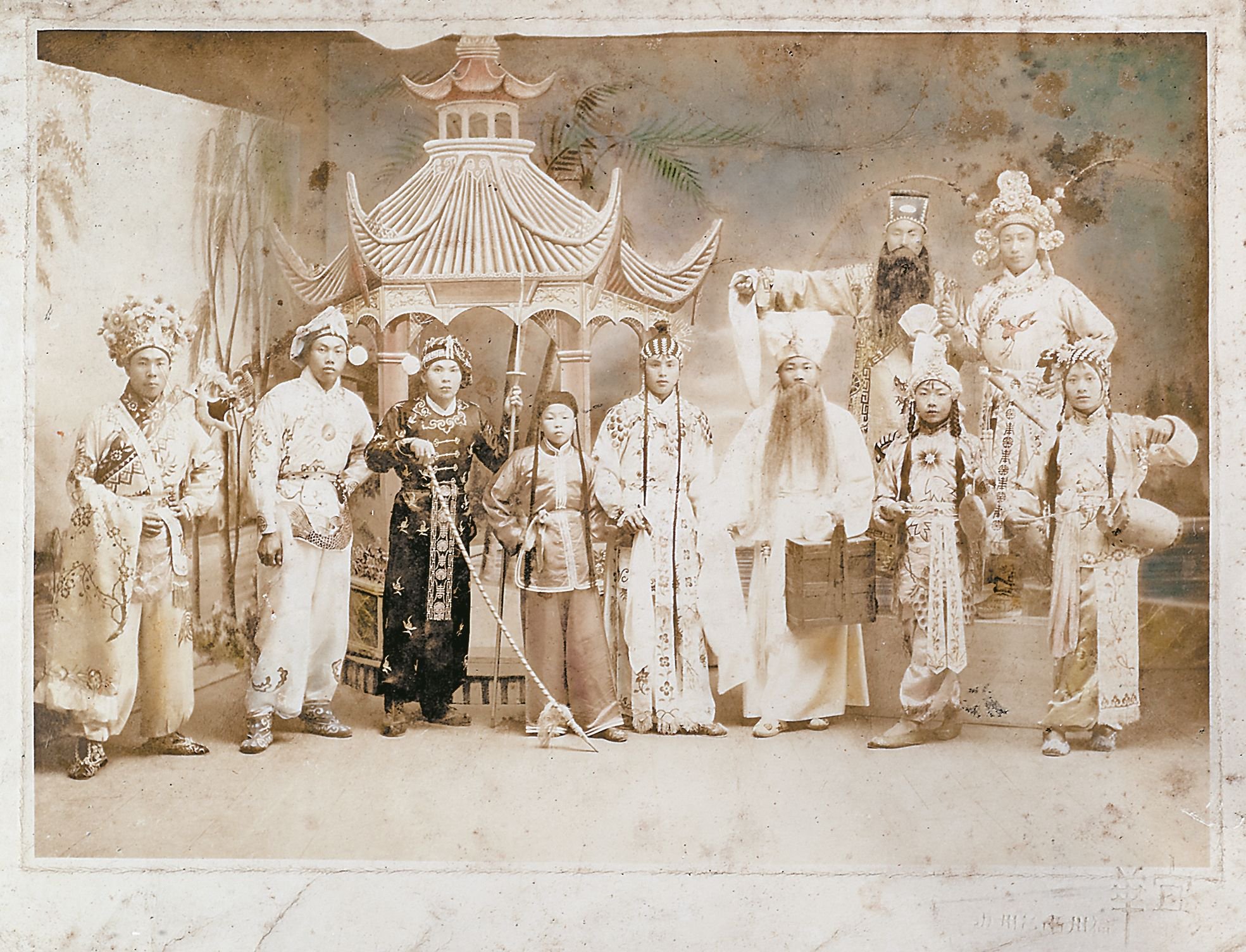
Core Insights - The article discusses the historical evolution of photography studios in Fuzhou, highlighting their significance in visual culture and memory as photography transitioned from a professional craft to a common practice with the advent of digital cameras and smartphones [5][13]. Historical Development - Fuzhou was one of the first cities in China to introduce photography, with early studios established in the mid-19th century, such as "Schenk" and "Lushanxuan," which were operated by foreign photographers [6][7]. - The first peak in the establishment of photography studios in Fuzhou occurred in the 1920s, with notable studios like "Jingzhongtian" and "Jixing" emerging during this period [9]. Cultural Significance - Photography studios in Fuzhou served as a reflection of the cultural exchange between Eastern and Western influences, showcasing a blend of traditional Chinese and modern Western aesthetics in their portraits [7][10]. - The studios played a crucial role in shaping individual and family memories, with the practice of portrait photography becoming a means of self-affirmation and cultural identity [10][13]. Technological Advancements - The introduction of electric lighting in studios as early as 1911 marked a significant technological advancement, although the full adoption of lighting techniques lagged behind major cities like Shanghai and Beijing [10]. - The transition to "artistic photography" in the 1930s emphasized the subject over elaborate backgrounds, reflecting a growing sense of national confidence and individual expression [10]. Economic and Social Changes - The photography industry in Fuzhou faced significant challenges during the Second Sino-Japanese War, leading to the closure of many studios, but experienced a resurgence after the war [11]. - Post-1949, the photography industry underwent nationalization and was managed by welfare companies, with a notable number of studios operating under cooperative models [12]. Modern Context - The rise of digital photography has transformed the landscape of memory and documentation, leading to a decline in traditional photography studios as individuals increasingly rely on smartphones for capturing moments [13]. - The article suggests a need to reassess the historical role of photography studios in the context of memory and identity, as the shift to digital formats has altered the way memories are preserved and recalled [13].
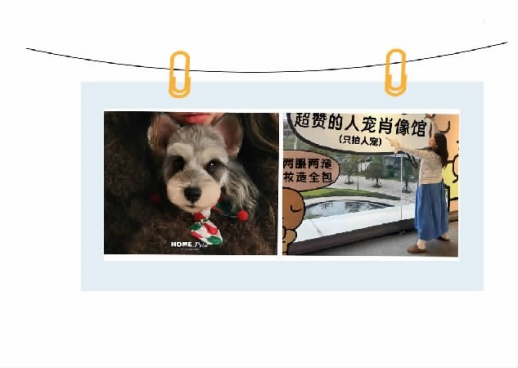
拍新年写真,今年流行带“毛孩子”上镜
Xin Lang Cai Jing· 2026-01-08 20:05
Core Insights - The pet photography market is experiencing a surge in demand, particularly among young families who view pet photography as a necessary commemorative activity [2][4] - Online platforms have seen significant engagement, with 230,000 related posts showcasing the emotional connection between pets and their owners [4] Group 1: Market Trends - The rise of pet photography is attributed to the deepening belief that pets are family members, reflecting a shift towards emotional consumption in the pet economy [2][5] - Photography studios are adapting to this trend by offering tailored packages, with prices ranging from 399 to 999 yuan, catering to various consumer needs [3] Group 2: Consumer Behavior - Young pet owners are increasingly willing to invest in professional pet photography, viewing it as a way to capture and preserve memories with their pets [3][5] - The trend is driven by a growing acceptance of pets as family members, with many pet owners expressing a desire to document their pets' lives through photography [4][5] Group 3: Social Media Influence - Social media plays a crucial role in amplifying the popularity of pet photography, with hashtags like PetNewYearPhoto and PetsAreFamily gaining traction [4] - The sharing of pet photography on social media creates a sense of community and encourages more pet owners to participate, transforming pet photography from an optional service to a necessity [5]