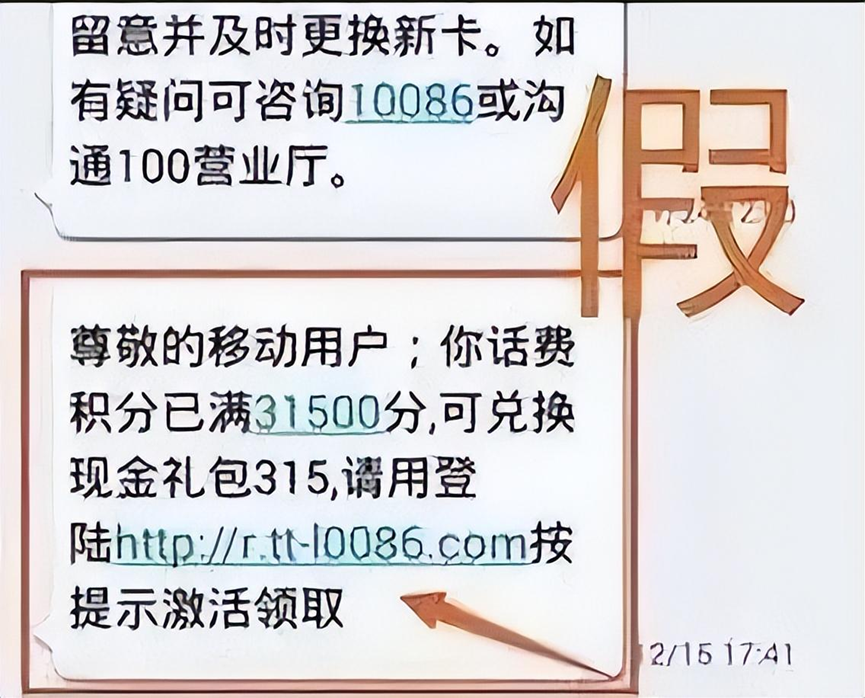
诈骗短信

Search documents
马上评|“l0086”不是10086,李鬼号如何注册的?
Xin Lang Cai Jing· 2025-10-30 08:26
Core Viewpoint - The recent surge in fraudulent SMS messages, often disguised as enticing offers, highlights significant vulnerabilities in the regulatory and operational frameworks of telecommunications and e-commerce platforms [1][3][4]. Group 1: Nature of the Fraud - Many individuals have received SMS messages claiming they have unused points that will expire, prompting them to log in and redeem rewards, which are often traps [1]. - Scammers are using similar-looking phone numbers, such as "l0086" instead of "10086," to mislead users, exploiting the low distinguishability between the letter "l" and the number "1" [4]. Group 2: Regulatory Failures - The fraudulent SMS issue stems from a breakdown in the regulatory chain involving telecom operators, platforms, and oversight bodies, leading to a failure in protecting consumers [4][5]. - A specific case involved the misuse of the 1068 number segment, which was supposed to be used for legitimate notifications but was instead rented out to unauthorized companies for sending scam messages [4]. Group 3: Impact on Public Trust - The ongoing scams and regulatory failures are eroding public trust in telecommunications services, with individuals becoming increasingly skeptical of legitimate notifications from known sources [5][6]. - The loss of trust not only affects the reputation of telecom operators and e-commerce platforms but also undermines the credibility of public services in the communication sector [5][6]. Group 4: Recommendations for Improvement - To restore public confidence, it is essential to thoroughly investigate regulatory loopholes and sever the chains of information leakage that facilitate these scams [6]. - Strengthening the monitoring of number segments and enhancing the identification systems for SMS messages are critical steps to prevent future fraud [4][6].