监管漏洞

Search documents
一财主播说 | 严打假“惠民保”式骗局 严防民众“保命钱”
Di Yi Cai Jing· 2026-02-09 10:09
Core Viewpoint - A fraudulent "Hui Min Bao" insurance case has been brought to court, revealing significant regulatory gaps and consumer information asymmetry in the insurance industry [1][2] Group 1: Fraudulent Scheme Details - The project named "Yiteng Hui Min Guarantee Service" falsely claimed to be authorized by the National Medical Insurance Bureau and promised extraordinary benefits such as "no deductible" and "coverage for pre-existing conditions" [1][2] - The scheme attracted over 70,000 policyholders across 30 provinces, illegally operating with over 710 million yuan [1][2] Group 2: Regulatory Issues - The involved company lacked any insurance business qualifications, highlighting severe regulatory shortcomings and blind spots [1][2] - Questions arise regarding why the fabricated government background went undetected, pointing to either negligence or fear of regulatory action [1][2] Group 3: Consumer Awareness - Most ordinary policyholders lack professional knowledge about insurance laws and product design principles, making them susceptible to the allure of "coverage for pre-existing conditions" [1][2] - The original intent of Hui Min Bao was to provide supplementary medical insurance to alleviate residents' medical expenses, emphasizing the need for improved consumer risk awareness [1][2] Group 4: Recommendations - Regulatory authorities must address these gaps by enhancing risk warning mechanisms and increasing the costs of illegal activities [1][2] - Consumers are urged to elevate their risk awareness to protect their financial interests [1][2]
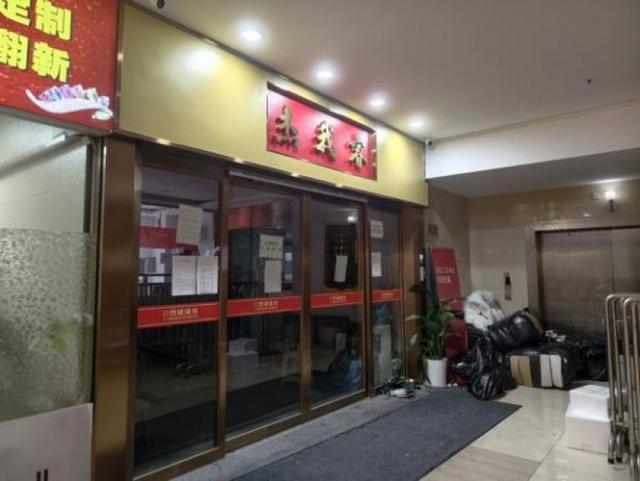
记者直击深圳杰我睿跑路现场:大门紧闭、锦旗高悬,平台兑付异常,涉资或达187亿元
Hua Xia Shi Bao· 2026-01-30 06:57
Core Viewpoint - The crisis surrounding Shenzhen-based Jie Wo Rui Jewelry Co., Ltd. has led to a significant financial impact, with reported victim losses reaching 18.7 billion yuan, highlighting the risks associated with unregulated gold trading platforms [1][15]. Company Overview - Jie Wo Rui is known for its gold recovery and low-fee gold sales, operating multiple mini-programs for online transactions, including gold buying and selling [4][7]. - The company has been popular among individual consumers looking to liquidate physical gold for cash, often attracted by promotional offers such as fee waivers [4][8]. Crisis Development - As of January 29, 2023, the company faced a liquidity crisis, with investors unable to withdraw their funds, leading to a tense atmosphere at its physical location [1][5]. - The company had previously engaged in aggressive marketing, promoting fee waivers for gold purchases just before the crisis emerged [8][9]. Financial Operations - Funds deposited by users were reportedly funneled into private accounts rather than the company's official accounts, raising concerns about financial transparency and accountability [8][15]. - The platform's operations included a mechanism for users to convert gold into cash, but the lack of third-party oversight has been identified as a critical vulnerability [15]. Legal and Regulatory Issues - Following the crisis, Jie Wo Rui proposed repayment plans that required customers to sign agreements waiving their rights to pursue legal action, raising ethical and legal concerns [9][11]. - The company's structure changed from a sole proprietorship to a limited liability company shortly before the crisis, leading to speculation about premeditated actions to limit liability [14]. Industry Implications - The Jie Wo Rui incident underscores broader issues within the gold trading sector, particularly regarding the regulation of non-licensed entities operating in financial markets [15][16]. - The case raises significant questions about trust, compliance, and accountability in the financial services industry, emphasizing the need for stricter regulatory oversight [16].

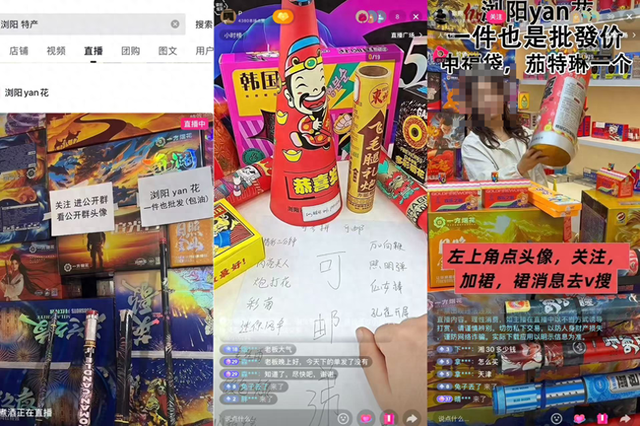
调查:烟花爆竹,在直播间和物流线上肆意“流窜”
Huan Qiu Wang· 2026-01-09 03:14
Core Viewpoint - The article highlights the illegal online sales of fireworks and firecrackers, revealing a sophisticated network that evades regulatory scrutiny through various tactics, posing significant public safety risks. Group 1: Illegal Sales Tactics - Sellers use pinyin and euphemisms to bypass platform scrutiny, directing users to WeChat for transactions with a "pay first, ship later" model [1][2] - Various methods are employed by sellers, including masked appearances and showcasing products from production sites to attract customers [2] - Promotional tactics include enticing offers like "free shipping for orders over 200 yuan" to lower purchase barriers and attract nationwide customers [4] Group 2: Delivery and Packaging Methods - Fireworks are disguised as "daily necessities" or "food" during shipping to avoid detection, with logistics companies often unaware of the contents [1][10] - Packages are heavily disguised, with misleading labels such as "accessories" or "food turnover boxes" to evade regulatory checks [10][12] - The investigation revealed that some logistics personnel would overlook regulations if they had a "familiar" relationship with the sender [18][20] Group 3: Regulatory Challenges - Despite strict regulations prohibiting the sale and transport of fireworks, illegal sales persist due to loopholes in the regulatory framework and lax enforcement by logistics companies [22][24] - Experts emphasize the need for a robust regulatory system and improved safety awareness among logistics firms to prevent dangerous goods from being transported [24][25] - A proposed solution includes a collaborative mechanism among platforms, logistics, and regulatory bodies to effectively monitor and control illegal sales and shipments [25]
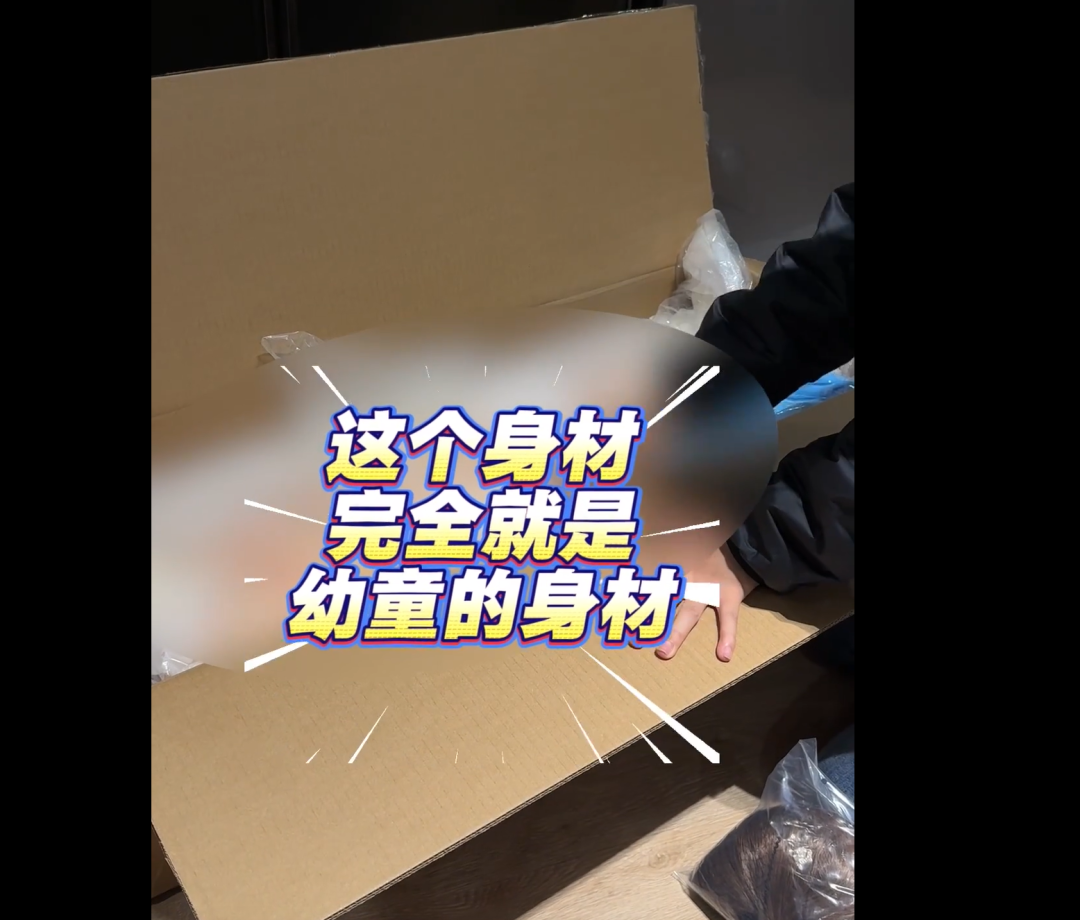
“女童体态”硅胶娃娃竟在平台销售!保护孩子没有妥协余地,“童颜情趣娃娃”之恶不容姑息
Mei Ri Jing Ji Xin Wen· 2025-12-03 11:08
Core Viewpoint - The article highlights the alarming issue of "child-like" silicone dolls being marketed as adult products, which poses a direct threat to the protection of minors and challenges legal boundaries [1][3]. Group 1: Product Concerns - The "child-like" dolls are disguised under terms like "anime figures" and "loli figurines," which carry explicit sexual implications, representing a serious distortion of values and a potential trigger for criminal behavior [1][3]. - These products send a dangerous signal that children can be sexualized, undermining their dignity and rights [1][3]. Group 2: Legal and Regulatory Issues - Manufacturers involved in producing these dolls may be violating laws against the production and sale of obscene materials, which could lead to severe penalties, including life imprisonment [3][4]. - The lack of effective regulatory oversight has allowed factories in regions like Huizhou and Dongguan to operate without scrutiny, exposing significant gaps in enforcement [4][5]. Group 3: E-commerce Platform Responsibilities - E-commerce platforms have failed to uphold their responsibilities, allowing the sale of these products under misleading labels, indicating a lack of effective monitoring and control mechanisms [3][4]. - There is a need for platforms to abandon a "traffic-first" mentality and enhance their review systems to protect children's interests [5][6]. Group 4: Recommendations for Action - A comprehensive approach is necessary to combat the "child-like" doll industry, including strict enforcement against manufacturers and improved monitoring by e-commerce platforms [5][6]. - Legal frameworks should be strengthened to include clear definitions and standards for identifying such products, facilitating better enforcement [6].
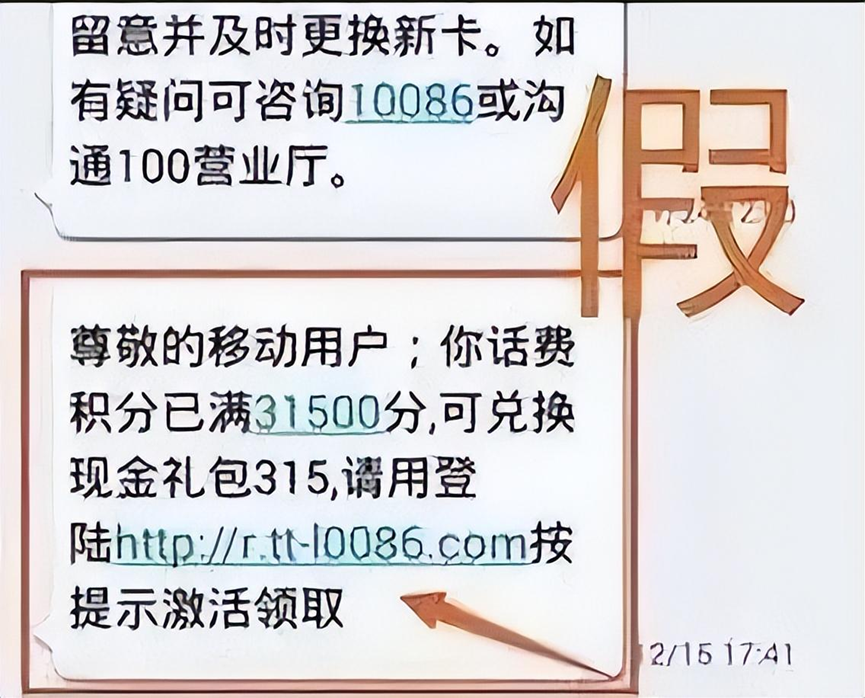
马上评|“l0086”不是10086,李鬼号如何注册的?
Xin Lang Cai Jing· 2025-10-30 08:26
Core Viewpoint - The recent surge in fraudulent SMS messages, often disguised as enticing offers, highlights significant vulnerabilities in the regulatory and operational frameworks of telecommunications and e-commerce platforms [1][3][4]. Group 1: Nature of the Fraud - Many individuals have received SMS messages claiming they have unused points that will expire, prompting them to log in and redeem rewards, which are often traps [1]. - Scammers are using similar-looking phone numbers, such as "l0086" instead of "10086," to mislead users, exploiting the low distinguishability between the letter "l" and the number "1" [4]. Group 2: Regulatory Failures - The fraudulent SMS issue stems from a breakdown in the regulatory chain involving telecom operators, platforms, and oversight bodies, leading to a failure in protecting consumers [4][5]. - A specific case involved the misuse of the 1068 number segment, which was supposed to be used for legitimate notifications but was instead rented out to unauthorized companies for sending scam messages [4]. Group 3: Impact on Public Trust - The ongoing scams and regulatory failures are eroding public trust in telecommunications services, with individuals becoming increasingly skeptical of legitimate notifications from known sources [5][6]. - The loss of trust not only affects the reputation of telecom operators and e-commerce platforms but also undermines the credibility of public services in the communication sector [5][6]. Group 4: Recommendations for Improvement - To restore public confidence, it is essential to thoroughly investigate regulatory loopholes and sever the chains of information leakage that facilitate these scams [6]. - Strengthening the monitoring of number segments and enhancing the identification systems for SMS messages are critical steps to prevent future fraud [4][6].
高息网贷“换壳术”:从“芸豆花”看快牛系1460%年化利率下监管漏洞
Sou Hu Cai Jing· 2025-08-27 03:48
Core Viewpoint - The article highlights the alarming practices of high-interest lending apps like "Yun Dou Hua," which have rebranded from "Yun Dou Fen" to evade regulatory scrutiny while continuing to exploit consumers with exorbitant interest rates and aggressive collection tactics [1][3][5]. Group 1: User Experiences - Users like Li Fei and Zhang Bin have reported being trapped in a cycle of debt due to high annualized interest rates, with Li Fei facing a staggering 1460% rate and Zhang Bin experiencing an 876% rate [1][4]. - Complaints on platforms like Black Cat Complaints indicate a pattern of short-term loans with high interest, where users face harassment from collection agents after missed payments [4][6]. Group 2: Company Operations - "Yun Dou Hua" is linked to Shanghai Zui Meng Zhe Internet Technology Co., which has no financial business licenses and has been involved in multiple rebrandings to avoid regulatory action [5][10]. - The app operates under a "borrowed shell" model, where it is part of a larger network associated with "Kua Niu" capital, which has a history of high-interest lending practices [6][8]. Group 3: Regulatory Issues - The article points out significant regulatory gaps, particularly in how banks manage their lending partnerships, allowing funds to flow into unregulated platforms like "Yun Dou Hua" [9][10]. - Users are required to sign blank contracts, which enables the platform to impose hidden fees and complicates the process of seeking recourse in disputes [10].

速递|打击中国减肥药?FDA将对所有进口商品进行筛查
GLP1减重宝典· 2025-07-18 04:15
Core Viewpoint - The FDA has announced a new regulation that requires all imported products to undergo review, regardless of their value or size, following the cancellation of the small package exemption policy [2][3][4]. Group 1: Regulatory Changes - The previous exemption for products valued under $800 has been eliminated, meaning all products will now be subject to full review [3]. - This policy took effect on July 9 and aims to enhance the FDA's oversight of the U.S. supply chain and improve the identification of repeat violators [4]. - The new regulation applies to all product categories regulated by the FDA, including drugs, food, beverages, dietary supplements, cosmetics, medical devices, and biological samples [6]. Group 2: Impact on Imports - The FDA can now review all imported products declared through electronic systems, including those purchased online and transported across borders [5]. - Even small packages must adhere to the same regulatory standards as larger shipments, which may affect the circulation of weight-loss drugs in the "gray market" [8]. - A study indicated that in January, shipments of active ingredients from unregistered Chinese suppliers increased by 44% compared to the previous month [8]. Group 3: Implications of the Policy - The data does not account for packages that previously entered the U.S. under the exemption policy, suggesting that the actual import volume may be significantly higher than current statistics indicate [9]. - This policy adjustment is part of the FDA's efforts to close regulatory loopholes and strengthen comprehensive import reviews [10].