说服力

Search documents
当工作失去意义,工作的未来将何去何从
3 6 Ke· 2026-02-26 23:08
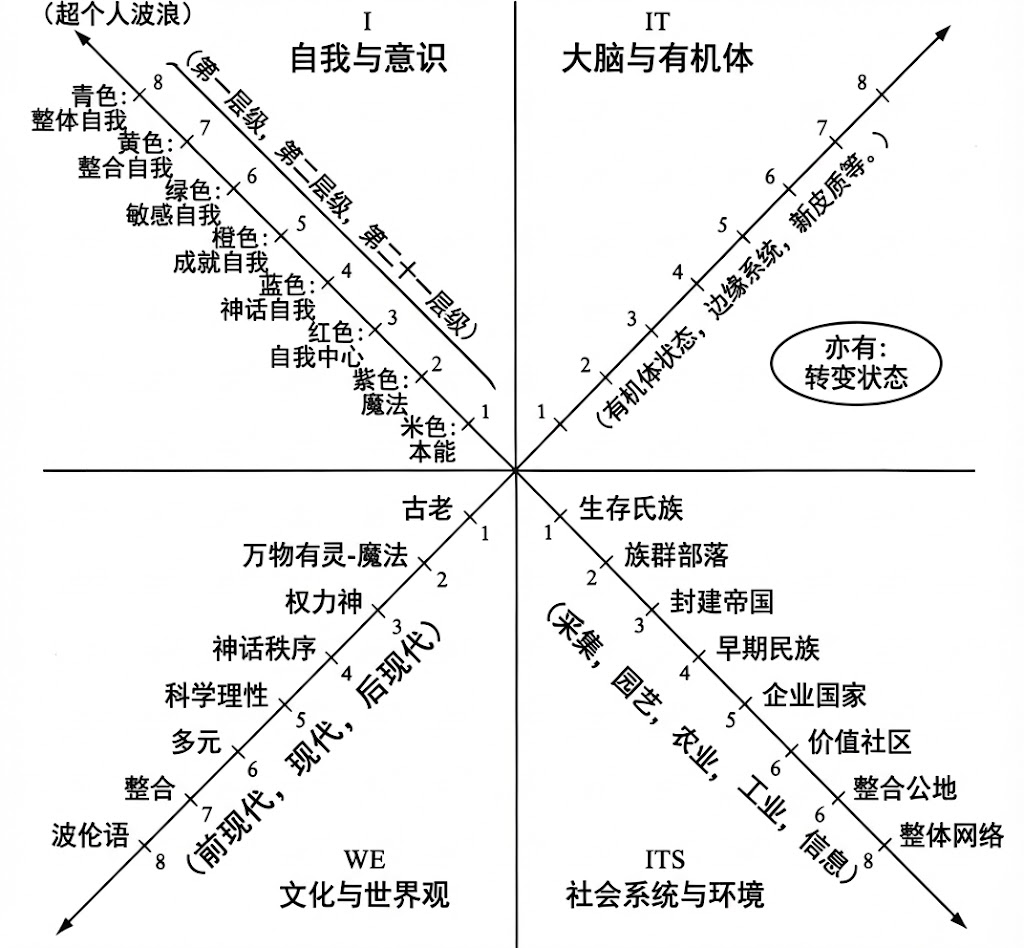
Core Insights - The article discusses the evolving nature of work in the context of artificial intelligence (AI) and the unique value of human subjectivity in creative fields [1][2][3][4][5][6]. Group 1: The Crisis of Meaning - The concept of meaning has become a scarce commodity in modern society, leading to a crisis where individuals seek purpose in their work [8][20]. - Historical context is provided to understand how societies have evolved from pre-modern to modern and post-modern views, impacting the perception of meaning [10][13][14][16]. - The transition to an information age has further abstracted labor, leading to a disconnection from meaningful work [15][29]. Group 2: The Role of AI - AI is seen as a potential threat to traditional jobs, promising to eliminate labor but simultaneously exacerbating the scarcity of meaning [29][30][34]. - The article highlights the paradox that if everyone becomes unemployed due to AI, the economy could collapse as no one would have money to spend [37][38]. - The emergence of a creator economy is suggested, where individuals can derive income from their unique perspectives and contributions rather than traditional employment [70][72]. Group 3: Skills for the Future - The future skill set should focus on human-centric abilities that AI cannot replicate, such as subjectivity, taste, and the ability to create meaningful narratives [108][111][120]. - The importance of personal growth and the ability to connect with others is emphasized as essential for finding meaning in work [59][60]. - The article outlines a hierarchy of skills necessary for success in a post-labor economy, including the ability to persuade and the technical expertise to leverage AI tools effectively [130][131].