主体性

Search documents
卷不动AI了?未来人的出路只有一条:活出自己
混沌学园· 2026-02-27 11:56
Core Viewpoint - The article discusses the transformative impact of AI on society, emphasizing that it represents not just a technological shift but a fundamental change in human relationships and existence. The author argues that the next 15 years will see a rapid evolution comparable to the 150 years of the Industrial Revolution, urging individuals to focus on self-identity and personal growth rather than mere competition in the AI era [1][9][10]. Group 1: AI's Societal Impact - AI is seen as a catalyst for a fundamental societal transformation, altering human relationships and the essence of life itself [9][10]. - The historical context is provided, comparing the 150 years of the Industrial Revolution to the anticipated 15 years of AI-driven change, suggesting that AI will reshape society at an unprecedented pace [11][14]. - The emergence of "redundant intelligence" through AI is highlighted, indicating a shift from traditional economic systems based on physical resources to new frameworks centered around intelligence and community [15][19]. Group 2: The Concept of Subjectivity - The article emphasizes the importance of "subjectivity" in the AI era, suggesting that individuals must reclaim their identity and purpose amidst the rapid changes brought by AI [16][20]. - It discusses the historical transition from human-centered production to machine-centered systems, indicating a loss of individual agency that needs to be addressed in the current context [17][18]. - The narrative encourages individuals to focus on their intrinsic needs and desires, advocating for a return to self-awareness and personal fulfillment as a response to the challenges posed by AI [24][22]. Group 3: Future Directions - The future will require individuals to build their subjectivity in relation to AI, recognizing AI as a partner rather than merely a tool [19][20]. - The article posits that the most valuable individuals in the future will be those who can authentically express themselves and meet their fundamental needs, as traditional measures of success may become obsolete [22][21]. - It concludes with a call for individuals to slow down and reflect on their true desires and identities, suggesting that this introspection is crucial for thriving in the evolving landscape shaped by AI [31][32].


当工作失去意义,工作的未来将何去何从
3 6 Ke· 2026-02-26 23:08
Core Insights - The article discusses the evolving nature of work in the context of artificial intelligence (AI) and the unique value of human subjectivity in creative fields [1][2][3][4][5][6]. Group 1: The Crisis of Meaning - The concept of meaning has become a scarce commodity in modern society, leading to a crisis where individuals seek purpose in their work [8][20]. - Historical context is provided to understand how societies have evolved from pre-modern to modern and post-modern views, impacting the perception of meaning [10][13][14][16]. - The transition to an information age has further abstracted labor, leading to a disconnection from meaningful work [15][29]. Group 2: The Role of AI - AI is seen as a potential threat to traditional jobs, promising to eliminate labor but simultaneously exacerbating the scarcity of meaning [29][30][34]. - The article highlights the paradox that if everyone becomes unemployed due to AI, the economy could collapse as no one would have money to spend [37][38]. - The emergence of a creator economy is suggested, where individuals can derive income from their unique perspectives and contributions rather than traditional employment [70][72]. Group 3: Skills for the Future - The future skill set should focus on human-centric abilities that AI cannot replicate, such as subjectivity, taste, and the ability to create meaningful narratives [108][111][120]. - The importance of personal growth and the ability to connect with others is emphasized as essential for finding meaning in work [59][60]. - The article outlines a hierarchy of skills necessary for success in a post-labor economy, including the ability to persuade and the technical expertise to leverage AI tools effectively [130][131].
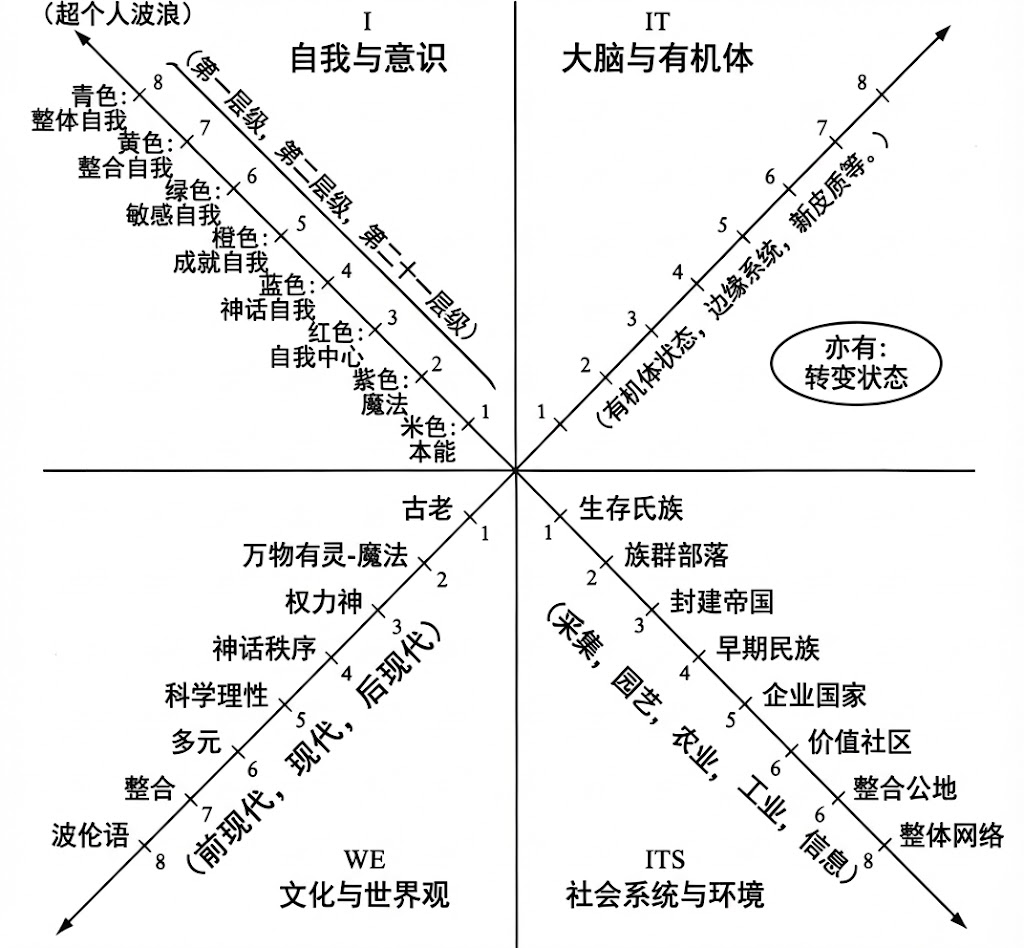
与AI“对位”:泛创作时代的主体性之问
Jiang Nan Shi Bao· 2026-01-27 23:21
Core Perspective - The article discusses the emergence of a "pan-creative era" where AI becomes an accessible creative partner for everyone, raising questions about authorship and the meaning of creation in this new human-machine relationship [1]. Group 1: Creative Collaboration - AI acts as a powerful counterpart in the creative process, expanding the boundaries of creativity and making it more accessible to non-professionals [2][3]. - Traditional creative challenges, such as waiting for inspiration, are alleviated by AI, which provides a dynamic starting point for creation [2]. - AI enables users to generate diverse musical styles and tailored soundtracks based on simple inputs, transforming vast musical history into a public resource [2][3]. Group 2: Subjectivity and Self-Discovery - The interaction with AI prompts creators to reflect on their own aesthetic standards and intentions, shifting the focus from external technical dependencies to internal exploration [4]. - AI-generated outputs often reflect statistical norms, which can lead to a homogenization of creativity, challenging the uniqueness of human expression [5][7]. - The relationship between humans and AI is characterized by a philosophical exploration of self-identity, where creators define their artistic identity through choices made in collaboration with AI [5][6]. Group 3: Risks of Over-Reliance on AI - The phenomenon of "pseudo-personalization" arises when creators rely heavily on AI, leading to a dilution of originality and a tendency to conform to popular trends [6][7]. - Continuous engagement with AI without critical reflection may dull creators' aesthetic judgment and unique thought processes [7]. - Maintaining awareness of the underlying influences of AI is crucial for preserving the irreplaceable human creative identity amidst technological advancements [6][7].
X上爆火的一篇AI产品经理博客:我们会被AI取代吗?
3 6 Ke· 2026-01-23 05:13
Group 1 - The article discusses the potential impact of AI on the future of work, emphasizing that while AI may automate many tasks, it cannot replace the intrinsic human desire to create and be recognized for contributions [2][4][25] - It highlights a fundamental aspect of human nature, suggesting that people will continue to seek meaningful work and connection, even in an AI-dominated landscape [3][21][44] - The author proposes that the meaning crisis in society has made meaning itself a scarce commodity, leading to a need for new structures and frameworks to generate meaning in work and life [6][19][23] Group 2 - The evolution of societal structures and the techno-economic base is discussed, indicating that as societies progress, the dominant worldview and value systems shift, impacting how meaning is derived [8][12][18] - The article outlines the transition from premodern to modern and postmodern worldviews, ultimately leading to a crisis of meaning that must be addressed in the upcoming age of intelligence [10][19][20] - It suggests that the future will require individuals to embrace their roles as creators and problem solvers, actively generating meaning rather than relying on external sources [41][47][48] Group 3 - The concept of the creator economy is introduced, positing that individuals will derive income and meaning from their creative endeavors rather than traditional employment [52][58] - Attention is identified as a scarce resource in the creator economy, with successful individuals capturing and leveraging it to build meaningful connections and communities [53][54] - The article emphasizes that the creator economy is not a zero-sum game, allowing for diverse paths to success and fulfillment beyond the pursuit of wealth [58][60]
All in AI 的第一个三年|42章经
42章经· 2026-01-18 13:33
Core Insights - The article reflects on the evolution of AI over the past three years, emphasizing the importance of being "all in" on AI investments and recognizing the high value of early-stage projects [2][3][4] - The discussion highlights the need for openness in investment decisions, particularly regarding international projects, as missed opportunities can lead to significant losses [4][6] - The future is seen as a "big science era," where AI will empower young scientists, and the focus should be on individual authenticity and self-expression in the AI age [22][24][29] Investment Decisions - The most correct decision made was to invest heavily in AI, with a recognition that the cost-effectiveness of projects was much higher in the past [3][4] - There was a missed opportunity to invest in Figure AI, which has seen its valuation rise from $800 million to $40 billion, illustrating the importance of being open to international investments [4][6] - The investment strategy should focus on converting money into computational power, as the future will be defined by intelligence driven by AI [10][13] AI and AGI Perspectives - The belief in AGI (Artificial General Intelligence) remains strong, with the expectation that AI will soon surpass human capabilities in verifiable environments [19][21] - The response of large companies to AI developments has been unexpectedly strong, impacting the potential ceiling for startups [15][18] - The integration of AI and embodied intelligence is crucial for achieving AGI, with both being seen as complementary paths [87][94] Market Trends and Future Outlook - The market for AI and embodied intelligence is evolving, with a notable shift towards the Hong Kong market as a new exit channel for companies [78][81] - The structure of market participants is changing, with more domestic capital involved in AI investments, indicating a maturation of the investment landscape [79][81] - The expectation for the next three years is optimistic, with a belief that funding will increasingly flow into China as innovative projects gain recognition [100][103] Personal Insights and Reflections - The concept of "life force" is emphasized, suggesting that true vitality comes from living authentically and not merely conforming to external expectations [106][108] - The importance of focusing attention on long-term, low-frequency signals rather than short-term noise is highlighted as a key to improving life quality [128][129] - The future will require individuals to express their true selves, as authenticity will be essential in a world increasingly influenced by AI [151][153]
游戏论·青年习作|不可居住的青春:《纸房子》中的空间、权力与逃离
Xin Lang Cai Jing· 2026-01-17 10:32
Core Perspective - The narrative of "Paper House" explores the themes of youth pain, family dynamics, and the oppressive nature of spaces such as home and school, illustrating how these environments shape individual identity and experiences of exclusion [3][4][5]. Group 1: Family Dynamics - The protagonist, Zhao Ying, experiences her home as a source of oppression rather than support, as her family dynamics force her into a passive role, stripping her of agency [7][10]. - The acquisition of a new house by her parents symbolizes her exclusion, as she is not given a place within this new family structure, reinforcing her status as an outsider [10][11]. - Zhao Ying's attempts to maintain familial relationships are met with emotional neglect, highlighting the disconnect between her efforts and the family's emotional core [10][11]. Group 2: School Environment - The school setting in "Paper House" is characterized by a loose structure that fails to provide clear guidance or support for students, leading to a chaotic environment where students must navigate their own paths [12][13]. - Zhao Ying's experiences in school reflect a microcosm of power dynamics, where internal relationships dictate social order, often resulting in bullying and violence [13][16]. - The absence of institutional support in the school further exacerbates Zhao Ying's feelings of isolation and vulnerability, as she is left to confront challenges without adequate protection [16][17]. Group 3: Relationship Spaces - The narrative shifts focus to the relational spaces Zhao Ying navigates, where friendships and emotional attachments provide temporary relief from external pressures but lack stability [17][20]. - The relationships depicted are fraught with instability, as external circumstances can easily disrupt the emotional balance, illustrating the fragility of these connections [18][20]. - The game presents various forms of emotional dependency, revealing how relationships can become sources of both comfort and further entrapment, complicating Zhao Ying's quest for identity [19][20]. Group 4: Symbolism of Space - The visual representation of spaces in "Paper House" is predominantly in black and white, symbolizing the oppressive nature of the environments Zhao Ying inhabits, with rare instances of color representing fleeting moments of hope [21][26]. - The concept of "home" is critically examined, as it transforms from a place of safety to one of violence and exclusion, challenging traditional notions of belonging [27][28]. - The narrative concludes with a sense of unresolved tension, as the destruction of the "paper house" leaves behind uncertainty rather than a clear path forward, emphasizing the ongoing struggle for identity and belonging [29][30].

中老年「精英恋综」,专戳打工人的肺管子
36氪· 2026-01-15 23:55
Core Viewpoint - The article discusses the rising popularity of a middle-aged dating reality show titled "Sunset Time to Love You," highlighting how it differs from traditional dating shows by focusing on the experiences and perspectives of middle-aged participants rather than just romantic relationships [5][42]. Group 1: Show Characteristics - The show features participants with an average age of over 50, showcasing their dating experiences in a restaurant setting where they humorously need reading glasses [6][12]. - Unlike typical dating shows, the participants are described as "elite" individuals, including executives, artists, and technical experts, indicating a higher social status and self-discipline [19][20]. - The dynamics of the show reflect a more straightforward approach to relationships, where participants actively pursue connections without the emotional turmoil often seen in younger contestants [21][40]. Group 2: Participant Behavior - Participants exhibit a pragmatic attitude towards dating, with one female contestant expressing a desire to move beyond superficial relationships with younger partners [22][40]. - The interactions among contestants reveal a focus on personal agency and self-awareness, as they prioritize their own feelings and desires over traditional romantic expectations [39][61]. - The show presents a competitive atmosphere reminiscent of a corporate environment, where participants are more concerned with compatibility and personal satisfaction than with the romantic ideal [39][44]. Group 3: Audience Reception - The audience's interest in the show stems from a desire to learn from the participants' life experiences and social skills rather than just their romantic interactions [45][46]. - Viewers are drawn to the authenticity and directness of the participants, contrasting with the often scripted nature of younger dating shows [57][60]. - The article suggests that the appeal of the show lies in its portrayal of middle-aged individuals navigating relationships with a sense of realism and practicality, resonating with viewers who may feel disillusioned about love [66][90].

守正创新出特色 以“大思政课”拓展全面育人新格局
Si Chuan Ri Bao· 2026-01-04 22:36
Group 1 - The core argument emphasizes the importance of integrating ideological and political education (IPE) with the Party's innovative theories to enhance the quality of education and address fundamental questions about the purpose and methods of education [1][11][12] - The concept of "subjectivity" in IPE is explored through three dimensions: value subjectivity, theoretical subjectivity, and practical subjectivity, each contributing to a more active and generative educational framework [2][3] - The current landscape presents both opportunities and challenges for IPE, necessitating reforms that align educational practices with the evolving societal context and technological advancements [3][4] Group 2 - The establishment of a collaborative educational ecosystem involving schools, families, society, and government is crucial for effective IPE, requiring a comprehensive approach to resource integration and collective effort [4][5] - The role of teachers as central figures in IPE is highlighted, with a focus on enhancing their political literacy and teaching skills to effectively convey ideological values [5][19] - The need for innovative teaching methods that engage students and foster meaningful dialogue is emphasized, moving away from traditional authoritative teaching styles [5][10] Group 3 - The synchronization of IPE with the Party's innovative theories is framed as a strategic necessity for cultivating a new generation capable of addressing contemporary challenges and contributing to national rejuvenation [12][13][14] - Practical approaches to implementing this synchronization include addressing discrepancies between rapidly evolving theories and stable educational materials, as well as ensuring effective communication of complex ideas to students [14][15] - The importance of continuous theoretical research and practical application in IPE is underscored, with a call for integrating innovative teaching practices and leveraging technology to enhance educational outcomes [16][17][18]
你今天“搞抽象”了吗?建议长期不快乐的人,2026年反复练习这一件事
Xin Lang Cai Jing· 2026-01-01 12:36
Group 1 - The core idea of "abstract" culture is to provide a new way to reconcile with the world, emphasizing humor and a light-hearted approach to life's challenges rather than seeking strict meanings or rational explanations [2][14] - "Abstract" serves as a tool for psychological adjustment, allowing individuals to temporarily escape from their real-life dilemmas and view life from a broader, more unique perspective [6][7] - The rise of "abstract" culture reflects a need for identity recognition, enabling individuals to find communities with similar traits and share their inner feelings in a visual and entertaining manner [8][9] Group 2 - "Abstract" is characterized by a more liberated form of expression, breaking away from conventional language and societal norms, allowing for creative and unique communication [5][6] - The concept of "abstract" aligns with narrative therapy, which emphasizes the power of storytelling to redefine personal experiences and separate individuals from their problems [9][10] - The essence of "abstract" lies in subjective thinking, where personal feelings and experiences shape the meaning derived from various situations, promoting individuality while respecting others' perspectives [11][12]
我爱我,但我是谁? | 2025流行文化盘点
Xin Lang Cai Jing· 2025-12-30 03:29
Group 1 - The article reflects on the emotional state of individuals in 2025, highlighting a shift towards self-love and introspection amidst societal pressures and uncertainties [1][2][4] - The concept of "self-love" is emphasized, with individuals encouraged to appreciate their own struggles and imperfections rather than seeking validation from others [6][8][9] - The rise of "situationships" and the use of AI for emotional support indicate a new trend in relationships, where traditional commitments are being redefined [10][13] Group 2 - There is a growing backlash against elite privilege and a desire for grassroots success stories, as seen in the public's reaction to various influencers and their perceived failures [19][20][24] - The narrative around success is shifting, with younger generations questioning the traditional pathways to achievement and expressing skepticism towards the glorification of hardship [24][31] - The emergence of cultural phenomena, such as the popularity of "Labubu" and "邪修," reflects a desire for authenticity and a rejection of conventional success metrics [32][34] Group 3 - The article discusses the impact of cultural exchanges, particularly between China and the West, highlighting the role of social media in bridging gaps and fostering understanding [35][39] - The phenomenon of "China Travel" showcases a new wave of tourism and cultural interaction, driven by changes in visa policies and social media trends [35][40] - The narrative of nostalgia is prevalent, with individuals reminiscing about past cultural moments and expressing a longing for a time when success seemed more attainable [46][57]