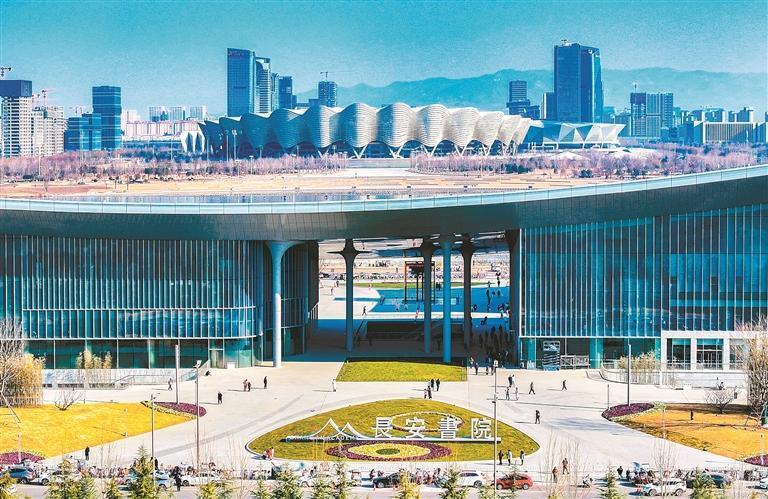
赓续文脉

Search documents
从“黑涌臭涌”到美丽河湖,广州东濠涌的变身带来哪些启示?
Zhong Guo Huan Jing Bao· 2025-11-09 23:24
Core Viewpoint - The successful restoration of Donghao Stream in Guangzhou serves as a model for urban river management and ecological restoration, showcasing a comprehensive approach to environmental governance and community engagement [1][4][7]. Group 1: Ecological Transformation - Donghao Stream, once a vital waterway, faced severe pollution due to urbanization, leading to its classification as a black and smelly river [2][3]. - The stream's water quality improved from Class V to Class III, with a daily replenishment of over 100,000 tons of water, meeting ecological and recreational needs [3][4]. - The restoration efforts included the construction of a deep-layer drainage system and a series of ecological measures, resulting in a healthier aquatic ecosystem with the return of fish and sensitive species [3][6]. Group 2: Governance and Management - Guangzhou adopted a systematic governance model for the entire river basin, emphasizing long-term planning and phased implementation of restoration projects [4][5]. - The city established a three-tier river management network, utilizing digital tools for real-time monitoring and efficient governance [6][7]. - Community involvement was prioritized, with public consultation committees ensuring local voices were heard in the decision-making process [5][6]. Group 3: Cultural and Economic Revitalization - The restoration project included the transformation of historical sites into cultural assets, such as a water-themed museum, enhancing the cultural significance of the area [3][7]. - New public spaces and recreational facilities along the stream have improved the quality of life for residents, promoting a vibrant local economy [3][5]. - The project has fostered a sense of community ownership and environmental stewardship, contributing to the long-term sustainability of the river's ecosystem [7][8].
从历史走向未来 绘就现代城市新图景
Xi An Ri Bao· 2025-04-09 03:10
Core Viewpoint - The article discusses the approval and implications of Xi'an's Land Spatial Overall Plan (2021-2035), emphasizing sustainable development and the integration of historical and cultural preservation with modern urban planning [1]. Group 1: Harmonious Coexistence - The plan emphasizes the integration of natural and cultural elements, reflecting Xi'an's historical significance and geographical features [2]. - The proposed overall framework includes "one screen, one belt, eight waters, seven fields, two hearts, and six pieces," aiming to balance historical preservation with modern urban development [2]. - The design principles of "harmony yet difference" and "singing in harmony" are highlighted as essential for maintaining uniqueness while fostering collaboration [2]. Group 2: Cultural Heritage Preservation - Xi'an's unique identity as a "thousand-year ancient capital" is underscored, with a focus on integrating natural landscapes into cultural heritage protection [3]. - The plan aims to create a systematic approach to cultural heritage preservation, emphasizing continuity, constraint, and dynamism [4]. - It includes the establishment of cultural protection lines and the incorporation of newly discovered historical sites into the protection framework [4]. Group 3: Multi-level Protection Strategies - The plan promotes the integration of cultural heritage into modern urban life, ensuring the preservation of significant historical sites and their surrounding environments [5]. - It emphasizes the importance of urban axes in guiding development and preserving historical order, including cultural heritage displays along these axes [5]. - The vision includes Xi'an as a key international gateway city and a representative of Chinese civilization, aiming for a balance between cultural heritage and modern urbanization [5].