迁想妙得

Search documents
观画者的修为与境界
Xin Lang Cai Jing· 2026-02-06 21:01
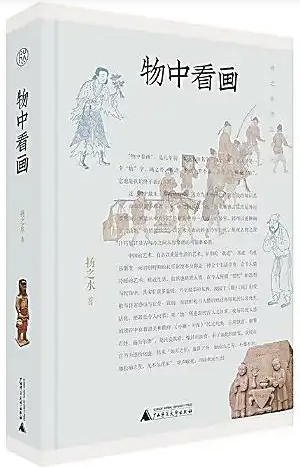
Core Viewpoint - The article discusses the aesthetic principles of Chinese classical painting, emphasizing the interconnectedness of painting and literature, and how understanding these forms requires a deep appreciation of both [3][4][5]. Group 1: Aesthetic Principles - Chinese classical painting is fundamentally similar to calligraphy, both serving as forms of "reading" that reveal deeper meanings through segmented brush strokes [3]. - The concept of "迁想妙得" (the ability to evoke profound thoughts) is central to the appreciation of Chinese painting, requiring the viewer to engage their imagination to uncover the inner qualities of the depicted subjects [4]. - The work "物中看画" (Viewing Paintings through Objects) by Yang Zhi Shui integrates traditional art history and criticism, offering a unique perspective that enhances the understanding of paintings [4][5]. Group 2: Cultural and Historical Context - Yang Zhi Shui's analysis incorporates various aspects of life, including court life, folk customs, mythology, and historical narratives, thereby embedding everyday life into the appreciation of art [4][6]. - The book presents a cultural perspective that connects painting with historical narratives, aligning with the views of scholars like Wang Guowei and Ye Shuxian on the interdependence of art and history [6][8]. - The exploration of the relationship between objects and paintings in "物中看画" reflects a broader cultural understanding, emphasizing the significance of material culture in shaping human experiences [7][8]. Group 3: Methodology and Approach - Yang Zhi Shui employs a method that intertwines literary references with visual analysis, creating a comprehensive framework that connects ancient texts with artworks [8][9]. - The author’s approach is characterized by a blend of historical insight and contemporary artistic innovation, allowing for a modern interpretation of classical art [8][9]. - The writing style of "物中看画" is described as essayistic, making the exploration of ancient paintings engaging and accessible, rather than a dry historical account [5][7].