运动休闲风

Search documents
Alo是运动品牌,还是快时尚品牌?
3 6 Ke· 2026-01-06 03:27
Core Insights - Alo Yoga is positioning itself as a high-end fashion brand rather than a traditional sportswear company, leveraging the popularity of yoga apparel to attract a fashionable demographic [6][10][32] - The brand's rapid product release cycle, akin to fast fashion, raises concerns about material quality and performance, which may not meet the functional demands of athletic wear [3][15][19] - Alo Yoga's valuation has surpassed $10 billion, with annual revenue reaching $1 billion in 2022, and plans for expansion into Asian markets, including China [6][28] Group 1: Brand Positioning and Strategy - Alo Yoga combines high-end pricing with a fast fashion model, offering products like the "Airlift Yoga Pants" at $128, which is $30 more than lululemon's Align pants [5][6] - The brand targets a niche market of fashionable consumers, particularly "fashionable girls," differentiating itself from competitors like lululemon by focusing on style over athletic performance [8][24] - Alo Yoga's marketing strategy includes collaborations with high-profile celebrities like BLACKPINK's Jisoo and BTS's Jin, enhancing its appeal in the fashion space [1][11] Group 2: Market Dynamics and Challenges - The global athleisure market is projected to reach $388 billion by 2024, growing at a compound annual growth rate of 8.7%, indicating a robust demand for stylish activewear [22] - Despite its success, Alo Yoga faces challenges in maintaining quality and performance standards, as consumer preferences shift towards value and functionality [10][33] - The brand's focus on fashion may limit its appeal in a market increasingly prioritizing performance and cost-effectiveness, particularly in the competitive Chinese market [30][32]



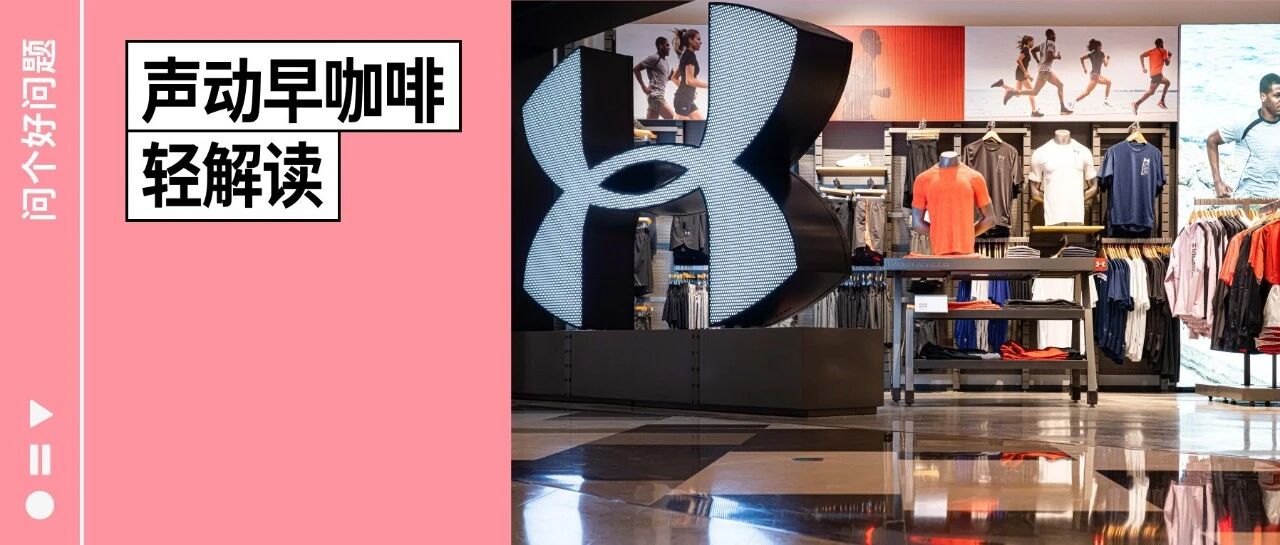
曾被称为「第二个耐克」的安德玛,为什么近十年业绩滑坡? | 声动早咖啡
声动活泼· 2025-12-01 09:04
Core Insights - Under Armour's partnership with Stephen Curry, which began in 2013, significantly boosted its brand visibility and sales, making it the second-largest sports brand in the U.S. by 2015, surpassing Adidas [4][5] - However, the company has faced stagnation in revenue since 2017, with annual earnings hovering around $5 billion, and has struggled with profitability post-pandemic [5][10] - The shift in consumer preferences towards athleisure wear has left Under Armour's focus on professional sports apparel misaligned with market trends, leading to a decline in brand relevance [6][7] Company History and Growth - Under Armour was founded in 1996 by Kevin Plank, who aimed to create moisture-wicking athletic wear, capturing 70% of the market in the tight-fitting sports apparel segment by 2000 [4] - The brand's initial success was driven by its innovative products and strategic partnerships with professional athletes [4][5] Partnership with Stephen Curry - The collaboration with Curry was pivotal, as it coincided with his rise in the NBA, leading to a 350% increase in basketball shoe sales for Under Armour [5] - Despite the initial success, the partnership ended in November 2023, marking a significant shift for the brand [4] Market Position and Challenges - Under Armour's revenue growth has stagnated, with 65% of its income still coming from sports apparel, while only 25% is from footwear, indicating a lack of diversification [8] - The company has struggled to adapt to the athleisure trend, which has been embraced by competitors like Nike and Adidas [6][7] Internal Management Issues - Under Armour has faced internal turmoil, including leadership changes and allegations of financial mismanagement, which have hindered its operational effectiveness [10][11] - The company's reliance on distributors (70% pre-2015) has created barriers to understanding consumer demand, leading to inventory issues and a damaged brand image due to frequent discounting [9][10] Strategic Missteps - Under Armour's attempts to diversify into various sports categories have not yielded significant returns, resulting in resource dilution [8] - The company has made several costly decisions, such as acquiring MyFitnessPal for $700 million, which ultimately did not pan out, reflecting a lack of long-term strategic planning [11][12]