运维智能化

Search documents
华为数字能源发布10大趋势!80%与储能强相关
行家说储能· 2026-01-13 11:40
Core Viewpoint - Huawei Digital Energy has identified ten key trends in the smart photovoltaic industry for 2026, with eight of these trends closely related to energy storage, highlighting the future direction of the industry under the integration of solar and storage technologies [3][5]. Group 1: Key Trends in Energy Storage - Energy storage has become a crucial component in the integration of renewable energy and multi-energy complementarity, emphasizing the collaboration between solar, wind, and storage systems [3]. - Grid-forming energy storage will be a focal point, serving as a key infrastructure for grid regulation and stability, as highlighted in Huawei's trends [4]. - Intelligent operation and maintenance have become essential capabilities for enterprises, driven by the application of AI and big data analytics to enhance lifecycle management and maximize returns [4]. - A systematic approach to safety will be foundational for enterprise development, with a shift in industry safety standards from focusing solely on battery cells to encompassing the entire battery system [4]. Group 2: Huawei's Strategic Positioning - Huawei's entry into the energy storage sector dates back to around 2010, with a strategic focus on digital energy established in 2021, elevating energy storage to a core strategic component [6]. - The global expansion of Huawei's energy storage solutions mirrors its successful strategies in the telecommunications market, leveraging brand trust and service networks to penetrate key markets [8]. - Huawei's differentiation in the energy storage sector lies in its focus on core control layers such as PCS, EMS, and BMS, rather than vertical integration in battery cell manufacturing [10]. Group 3: Future Development Directions - The smart photovoltaic industry is expected to evolve towards a predictable and controllable stable power supply, with five core characteristics identified for future solar and wind bases [17]. - Grid-forming energy storage will play a vital role in stabilizing the grid and balancing supply and demand, actively participating in energy market transactions [18]. - The integration of AI in household solar storage scenarios is anticipated to enhance user experience by transitioning from AI empowerment to AI-native solutions [21]. - The power density of solar storage devices is projected to increase by over 40% in the coming years due to technological innovations [22]. - The trend towards high voltage and high reliability will contribute to a significant reduction in the cost of electricity generated from solar systems [23]. - System-level battery management is essential for the safe and stable operation of energy storage systems, emphasizing the importance of precise monitoring and management [24]. - The maturity of new energy grid technology systems will accelerate the construction of new power systems, transitioning grid-forming storage from a passive to an active role [25]. - Intelligent systems will increasingly empower renewable energy plants, moving towards an "autonomous driving" model [26]. - The energy storage industry is advancing towards a quantifiable safety phase, establishing clear safety standards and enhancing safety capabilities [27].


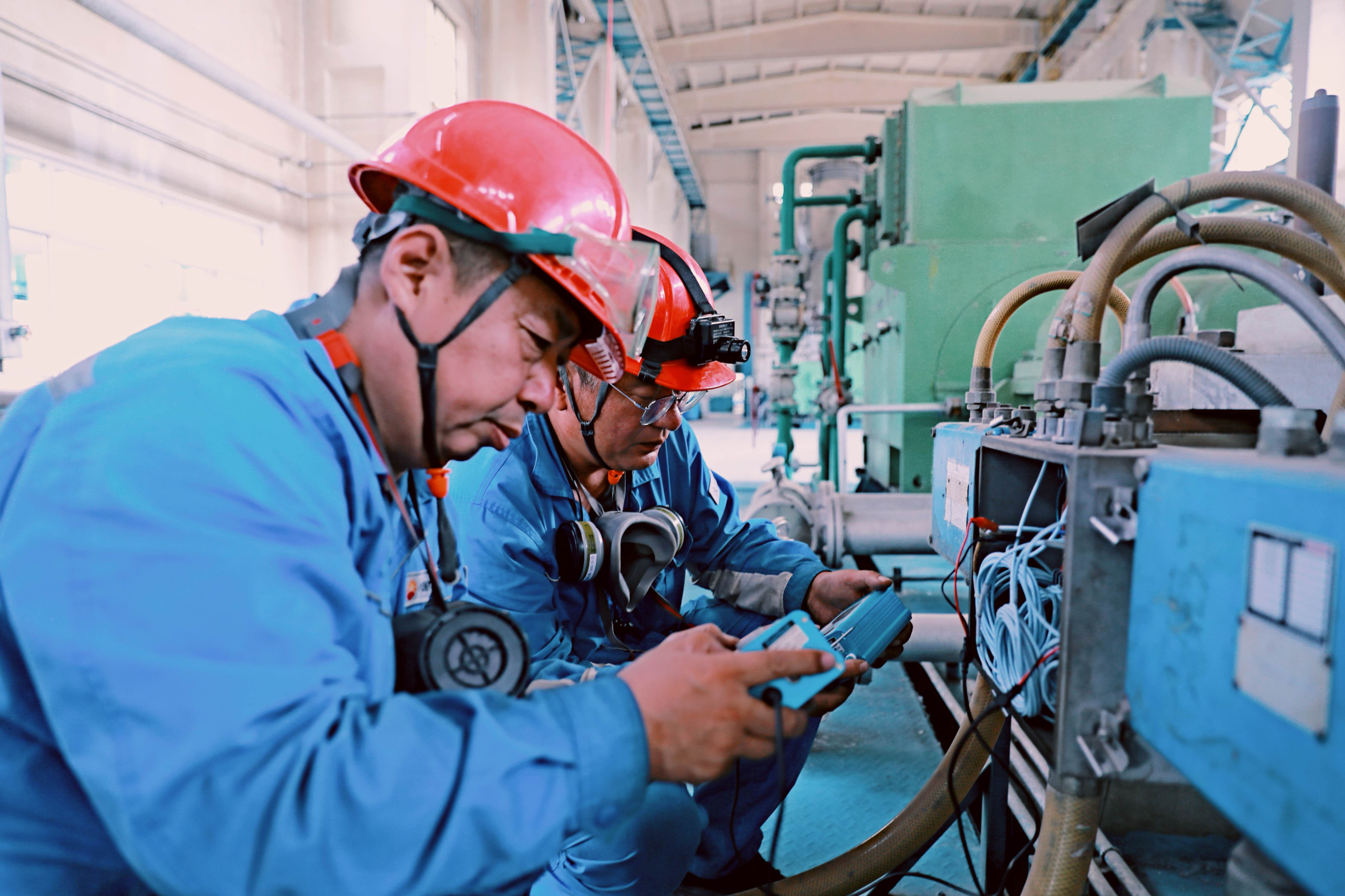
中国石油大庆石化“智”造新工具“减”出高效率
Zhong Guo Fa Zhan Wang· 2025-12-15 06:22
Core Insights - The article highlights a significant technological innovation in the DCS team of China Petroleum's Daqing Petrochemical Equipment Maintenance Center, which has improved operational efficiency and precision in equipment calibration [1][3][4] Group 1: Technological Innovation - The DCS team has developed a new portable intelligent function generator weighing only 0.5 kg, which replaces the previous calibration equipment that weighed over 10 kg [3] - This new device allows for precise signal output and can replace two older calibration instruments, enhancing operational efficiency by over 50% [3][4] Group 2: Operational Efficiency - The implementation of the new function generator has freed up team members from routine tasks, enabling them to focus more on equipment maintenance and detailed management [4] - The innovation has established a new path for achieving intelligent operation and maintenance within the DCS team, ensuring stable long-term operation of the equipment [4]