光储融合

Search documents
实探“新年光伏第一展”:规模收缩、光伏巨头集体缺位,还有哪些新看点
第一财经· 2026-03-12 13:01
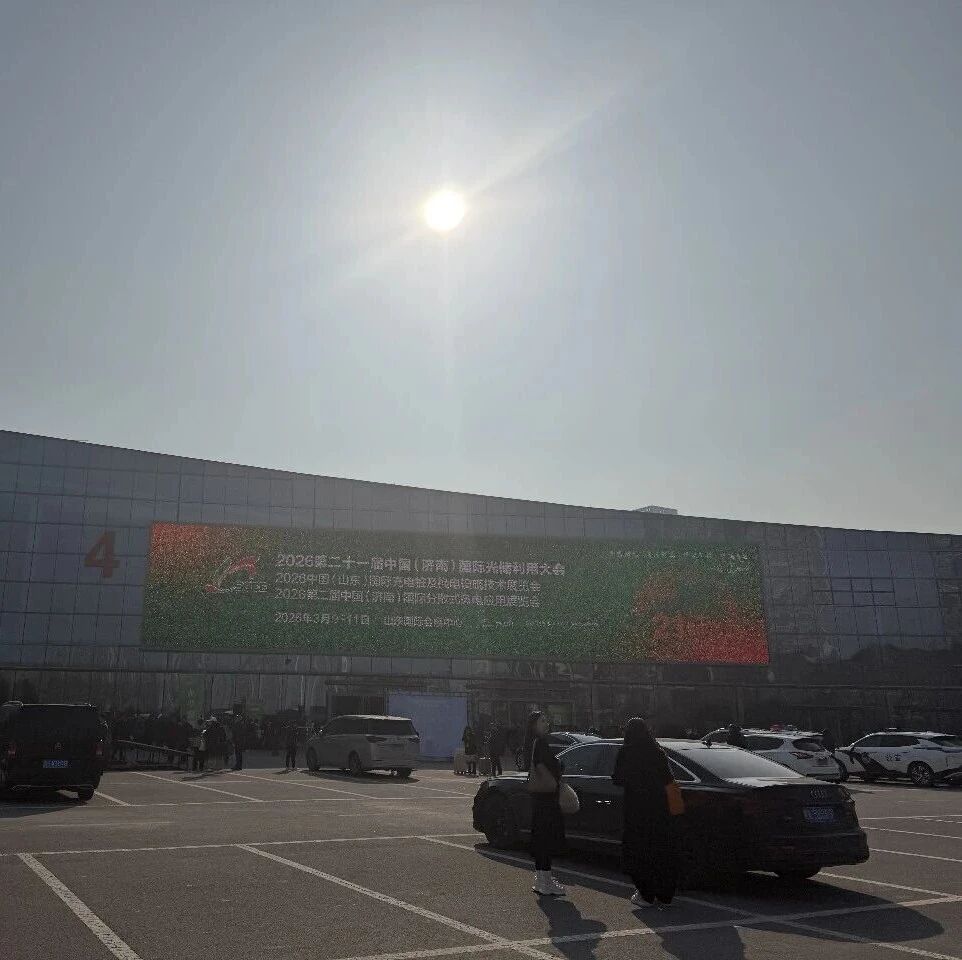
Core Viewpoint - The 2026 Jinan International Photovoltaic and Energy Storage Utilization Conference reflects a shift from a focus solely on photovoltaic technology to an integration of photovoltaic and energy storage solutions, indicating a changing landscape in the industry [3][4]. Group 1: Exhibition Overview - The conference, held in Jinan, is recognized as a significant regional event in the distributed photovoltaic sector since its inception in 2007 [3]. - This year, the exhibition was renamed to emphasize the integration of energy storage with photovoltaic technology, marking a notable industry transition [4]. - The number of exhibitors, particularly major component manufacturers, has significantly decreased, with only a few large companies like Longi Green Energy and Jinko Solar participating [4]. Group 2: Market Sentiment and Pricing - Market sentiment appears more rational as the industry approaches a critical policy change regarding the cancellation of a 9% export tax rebate for photovoltaic products [8]. - Despite the impending policy change, there was no significant rush to secure shipments, indicating a cautious approach among industry players [8]. - The current market shows a disparity between high quoted prices and low actual transaction prices, with many companies experiencing pressure to lower prices due to reduced demand [10]. Group 3: Industry Trends - The exhibition highlighted a shift in exhibitor composition, with an increased presence of energy storage companies, reflecting the growing importance of energy storage in the industry [12]. - Longi Green Energy's recent acquisition of a storage company signifies its commitment to integrating energy storage solutions into its offerings, aligning with the industry's trend towards "photovoltaic + energy storage" [14]. - The integration of photovoltaic and energy storage solutions is seen as essential for adapting to the volatility of market electricity prices, suggesting a strategic pivot in how companies approach energy management [14].


12家储能企业营收超1500亿,行业爆发新一轮“抢钱大战”开始
投中网· 2026-03-06 07:13
Core Insights - The energy storage industry is experiencing a significant recovery, with 12 listed companies reporting a total revenue of 151.72 billion yuan and a net profit of 9.10 billion yuan for 2025, indicating a positive trend in performance [6][8]. Group 1: Company Performance - Among the 12 companies, Siyuan Electric led with a net profit of 3.16 billion yuan, followed by Tianneng Co. and Haibo Sichuang with 1.59 billion yuan and 0.95 billion yuan respectively [6][7]. - Nine out of the twelve companies reported positive profit growth, with four companies (Xiamen Tungsten New Energy, Haibo Sichuang, Siyuan Electric, and Pylon Technologies) achieving over 40% year-on-year growth [6][8]. - Pylon Technologies exhibited the highest growth rate at 104.64%, marking it as the fastest-growing company among the twelve [6][8]. Group 2: Market Trends - The global energy storage battery shipment reached 651.5 GWh in 2025, a year-on-year increase of 76.2%, with Chinese companies accounting for 614.7 GWh, representing 94.4% of the global market [9]. - The recovery in the domestic and international energy storage markets has been a significant factor driving revenue growth for these companies [9][11]. Group 3: Challenges and Strategies - Companies like Pylon Technologies and Rongbai Technology are facing challenges such as intensified market competition and rising costs due to changes in export tax policies [12][13]. - To mitigate risks, Pylon Technologies is diversifying its market strategy by expanding into Southeast Asia, Africa, and the Middle East, while Rongbai Technology is focusing on collaborative efforts in various battery materials [13]. Group 4: Solar Component Companies - Major solar component manufacturers such as Canadian Solar, Trina Solar, JinkoSolar, JA Solar, and LONGi Green Energy have also entered the energy storage market, indicating a trend of integration between solar and storage [14]. - In 2025, these companies reported significant growth in their energy storage businesses, with Canadian Solar entering a profitable phase and achieving substantial order volumes [15][16]. - Despite the growth, the overall contribution of energy storage to their total revenue remains limited, with most companies still reporting losses [16][17]. Group 5: Future Outlook - For 2026, Canadian Solar anticipates global large-scale energy storage shipments to reach 14-17 GWh, while Trina Solar aims for 15-16 GWh [18]. - The competitive landscape in the energy storage sector is expected to intensify as companies expand their production capacities and market reach [18].




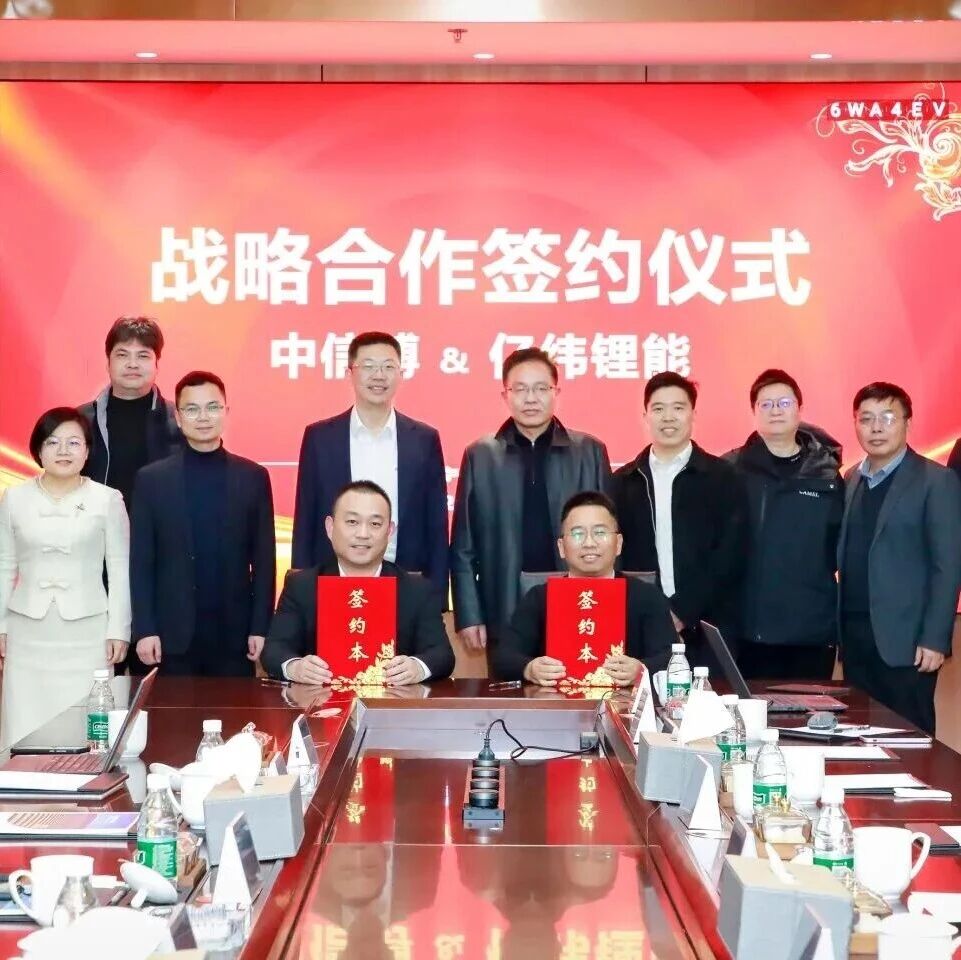
亿纬锂能再签电池大合作!
起点锂电· 2026-03-04 09:59
Core Viewpoint - The article highlights the strategic developments and partnerships of EVE Energy in the lithium battery sector, particularly focusing on its collaboration with XCMG and its expansion in both the commercial vehicle and energy storage markets, indicating a strong growth trajectory for the company in 2026 [3][4][5]. Group 1: Strategic Partnerships - EVE Energy has signed a deep strategic cooperation agreement with XCMG to jointly develop battery systems for various engineering equipment, marking a shift from merely supplying battery cells to collaborative product development [3][4]. - The partnership aims to enhance cooperation on existing projects like the 448kWh heavy truck and the new 432kWh loader project, providing customized battery solutions for XCMG's multiple vehicle types [4]. Group 2: Market Position and Growth - In 2025, EVE Energy's domestic installed capacity for new energy commercial vehicles is projected to reach approximately 20GWh, capturing a market share of 12%, positioning it as the second-largest player in the industry after CATL [4]. - The new energy commercial vehicle market is experiencing explosive growth, with penetration rates increasing from 3% in 2019 to an expected 29% in 2025, indicating significant opportunities for EVE Energy [4][5]. Group 3: Energy Storage Market Expansion - EVE Energy has secured substantial cooperation orders in the energy storage market, including a two-year plan with CITIC Bo for 12GWh of storage batteries and systems, focusing on "photovoltaic-storage integration" solutions [7]. - The company has also established long-term strategic partnerships with State Grid Electric Power Technology and Shanghai Shanyi Luoxi Energy, targeting a total of 30GWh in storage battery collaborations [8]. Group 4: Global Expansion - EVE Energy is accelerating its global footprint, with a framework agreement signed in Indonesia to develop an integrated supply chain for nickel resources, battery manufacturing, and recycling [9]. - The second phase of its Malaysian facility is set to enhance production capacity for energy storage batteries, with a total investment of up to 8.654 billion yuan, aiming for an annual capacity of 48GWh [10]. Group 5: Technological Advancements - EVE Energy has made significant progress in solid-state battery technology, with new models achieving top-tier energy density and entering practical applications in low-altitude economic sectors [10].


12GWh!亿纬锂能拿下储能大单!
鑫椤锂电· 2026-02-28 07:23
Core Viewpoint - The strategic partnership between EVE Energy and CITIC Bo focuses on a two-year collaboration plan for energy storage batteries and systems, aiming to enhance competitiveness in the "photovoltaic-storage integration" solutions market [1][2][3] Group 1: Strategic Partnership - EVE Energy and CITIC Bo have signed a strategic cooperation framework agreement for a two-year plan involving 12GWh of energy storage batteries and systems, with 10GWh dedicated to large energy storage products and 2GWh to energy storage systems [1] - This partnership builds on previous collaborations since 2025, aiming to integrate EVE Energy's advanced battery technology with CITIC Bo's strengths in photovoltaic system integration and smart energy operations [2] Group 2: Technical and Market Synergy - CITIC Bo's chairman highlighted the complementary strengths of EVE Energy's large energy storage batteries in system integration efficiency, lifecycle cost, and safety performance, which will facilitate comprehensive cooperation [3] - EVE Energy's senior vice president noted that this collaboration represents a breakthrough not only in orders but also in ecological synergy, leveraging CITIC Bo's global photovoltaic market channels to expand the application scenarios of EVE Energy's storage batteries [3] Group 3: Future Outlook - The partnership aims to explore innovative models for integrated "photovoltaic + storage" solutions, contributing to the stable operation and efficient consumption of new energy power systems [3] - EVE Energy is positioned to lead the energy storage industry towards large-scale applications, with this strategic alliance marking a significant advancement in its dual-driven strategy of technology and market development [3]

超13GWh!亿纬锂能、天合储能等又获大单
行家说储能· 2026-02-27 10:51
Core Viewpoint - The energy storage market is experiencing a strong start, with multiple companies announcing significant orders and collaborations, indicating robust growth and diversification in technology and applications [2][3][5]. Group 1: Major Collaborations and Orders - EVE Energy has signed a strategic cooperation framework agreement with CITIC Bo, establishing a two-year plan for 12GWh of energy storage battery and system collaboration, with 10GWh for large storage batteries and 2GWh for storage systems [3][5]. - New Source Intelligent Storage has secured a 4.52 billion yuan order for a 250MW/1000MWh energy storage system project in Xinjiang, providing a comprehensive solution and five-year warranty [6][7][10]. - Trina Energy Storage Solutions has entered a procurement contract worth approximately 5661 million USD (about 3.87 billion yuan) for energy storage batteries and related components for a large-scale project in the U.S. [11][13]. Group 2: Market Trends and Future Projections - Since 2026, Trina Energy Storage has received multiple overseas orders, including a 12GWh project in Europe and a 1.2GWh order in Latin America, with expectations for further increases in international sales [14]. - Shanghai Electric has announced a focus on international markets, including a new project in the UK with a capacity of 49.9MW and 149.7MWh, while also reporting a projected net profit increase of 47% to 76% for 2025 [15][17]. - Inlyte Energy is collaborating with NTS to deploy long-duration energy storage systems, with plans to install up to 2MW of sodium-iron battery capacity by 2028, addressing the growing demand for cleaner energy solutions in data centers [18][19].

【储能】亿纬锂能与中信博签署12GWh储能合作框架协议
Xin Lang Cai Jing· 2026-02-27 10:31
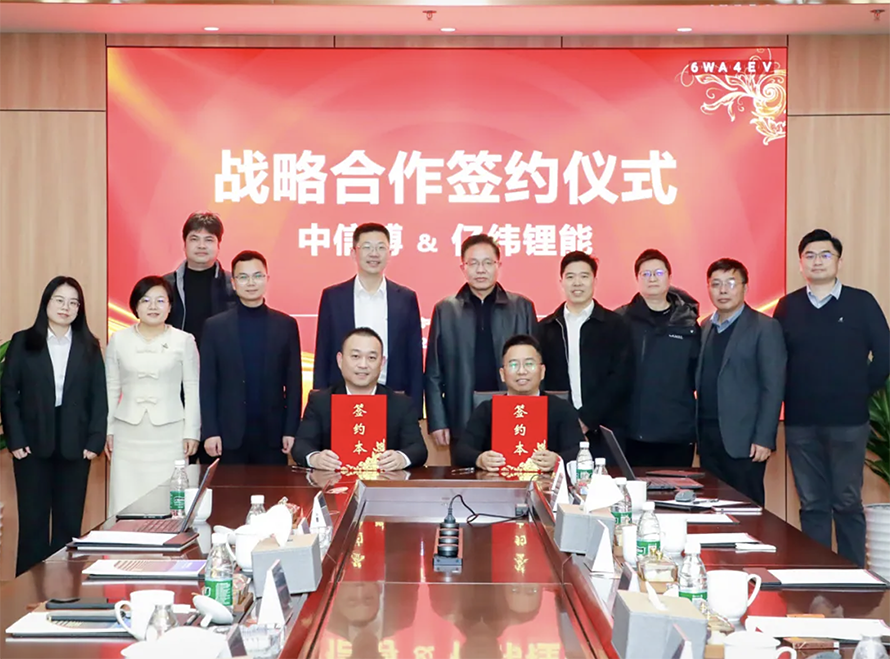
Core Viewpoint - EVE Energy and CITIC Bo have signed a strategic cooperation framework agreement to advance a 12GWh energy storage project over the next two years, marking a shift from pilot projects to large-scale delivery [2][5]. Group 1: Partnership Details - The collaboration includes the development of 10GWh large energy storage battery products and 2GWh energy storage system integration products [2][5]. - EVE Energy specializes in the research and manufacturing of large cylindrical lithium iron phosphate energy storage batteries, known for high integration efficiency, long cycle life, and safety [2][5]. - CITIC Bo is a major global supplier of photovoltaic brackets and tracking systems, expanding into integrated "photovoltaic + energy storage" solutions [2][5]. Group 2: Market Impact - The partnership aims to integrate EVE Energy's battery technology with CITIC Bo's resources in photovoltaic system design, power station integration, and overseas channels to develop standardized, cost-effective photovoltaic-storage solutions [2][5]. - EVE Energy's collaboration with CITIC Bo is expected to enhance the delivery of energy storage systems, leveraging CITIC Bo's global project network to accelerate product deployment [6]. - The cooperation is seen as a significant step in the industry, aligning with China's push for mandatory energy storage in renewable energy and the rapid deployment of renewable energy overseas [6]. Group 3: Future Outlook - EVE Energy's energy storage battery output is projected to rank among the top five globally by 2025, with existing production capacity established in Hubei, Guangdong, and Hungary [6]. - CITIC Bo has secured multiple gigawatt-level photovoltaic projects in regions such as the Middle East, Latin America, and Europe, demonstrating its capability to rapidly implement energy storage systems [6]. - The successful execution of the 12GWh project could become a landmark project for the integration of photovoltaic and energy storage solutions in China [6].
2年12GWh!亿纬锂能与中信博深化储能战略合作
中关村储能产业技术联盟· 2026-02-27 00:33
Core Viewpoint - EVE Energy has signed a strategic cooperation framework agreement with CITIC Bo, establishing a two-year plan for 12GWh of energy storage batteries and systems, marking a new phase in their collaboration in the energy storage sector [2][4]. Group 1: Strategic Cooperation - The agreement includes 10GWh for large energy storage battery products and 2GWh for energy storage system products, indicating a significant scale of collaboration [2]. - This partnership aims to integrate EVE Energy's advanced energy storage battery technology with CITIC Bo's strengths in photovoltaic system integration and smart energy operations, creating competitive "solar-storage integration" solutions [4]. Group 2: Market and Technology Synergy - EVE Energy's senior vice president highlighted that this cooperation represents not only a breakthrough in orders but also a deepening of ecological collaboration, leveraging CITIC Bo's global photovoltaic market channels to expand the application scenarios for EVE Energy's storage batteries [4]. - The collaboration is seen as a key advancement in EVE Energy's dual-driven strategy of "technology + market," reinforcing product foundations with core technology while accelerating commercial closure through established channels [5]. Group 3: Industry Events - EVE Energy has confirmed participation in the 14th International Energy Storage Summit and Exhibition (ESIE 2026), inviting industry peers to join this global energy storage event [6].
阳光电源:光储融合、场景深耕将成核心主线
中关村储能产业技术联盟· 2026-02-13 04:41
Core Viewpoint - The global solar and energy storage industry experienced significant growth in the past year, with solar installations exceeding 500 GW and cumulative energy storage installations surpassing 300 GWh, reflecting a nearly 70% year-on-year increase [3]. Group 1 - The industry is shifting from scale expansion to value competition, with a focus on solar-storage integration and deepening application scenarios as core themes for the new year [3]. - Advanced technologies such as AI and network construction are accelerating implementation, while electricity trading is maturing and diverse scenarios are emerging [3]. - The company remains committed to long-term innovation and aims to meet diverse demands by collaborating with global partners to build a more stable, efficient, and intelligent energy ecosystem [3]. Group 2 - The company has confirmed its sponsorship of the 14th International Energy Storage Summit and Exhibition (ESIE 2026), inviting industry peers to participate in this global energy storage event [7]. - The event is scheduled to take place from March 31 to April 3, 2026, at the Beijing Capital International Exhibition Center [8].


独储爆发年?10大储能实战派锁定这些新机会
行家说储能· 2026-02-11 09:17
Core Viewpoint - The independent energy storage sector is poised for significant growth, particularly in 2026, driven by favorable policies and market dynamics [2][10][11]. Group 1: Policy and Market Dynamics - The National Development and Reform Commission and the National Energy Administration have officially included independent energy storage in the generation-side capacity price mechanism, providing a policy framework for future commercial and industrial energy storage participation [2]. - The independent energy storage market is expected to experience explosive growth in 2026, with many industry representatives predicting it to be a "super explosion year" for the sector [2][10]. - The introduction of the capacity price policy and the increasing demand for renewable energy sources are key drivers for the growth of independent energy storage [13][14]. Group 2: Key Opportunities and Trends - Independent energy storage stations are projected to account for 70-80% of the annual bidding and operational volume, indicating a strong market presence [8]. - The integration of energy storage with renewable sources, such as solar and wind, is becoming increasingly important, with a focus on creating comprehensive energy solutions [4][10]. - The shift towards market-based pricing for electricity is expected to create new revenue opportunities for energy storage systems, particularly in commercial and industrial applications [10][36]. Group 3: Industry Insights and Expert Opinions - Industry experts emphasize the need for energy storage companies to enhance their product capabilities and operational efficiency to adapt to market changes and seize opportunities [10][24]. - The focus on "兜底收益+超额分成" (guaranteed returns plus excess sharing) models is emerging as a strategy to promote the scaling of commercial energy storage [19][22]. - Companies are encouraged to adopt a long-term perspective and collaborate across the energy storage ecosystem to improve project conversion rates and overall market performance [24][25]. Group 4: Technological and Operational Capabilities - Companies must prioritize safety and economic efficiency in their energy storage solutions, ensuring high conversion efficiency and effective operational management [48][51]. - The ability to integrate advanced technologies, such as AI, into energy management systems is becoming crucial for optimizing energy storage operations [42]. - A focus on specialized, stable, and professional capabilities is essential for energy storage firms to meet the increasingly complex demands of the market [46][50].


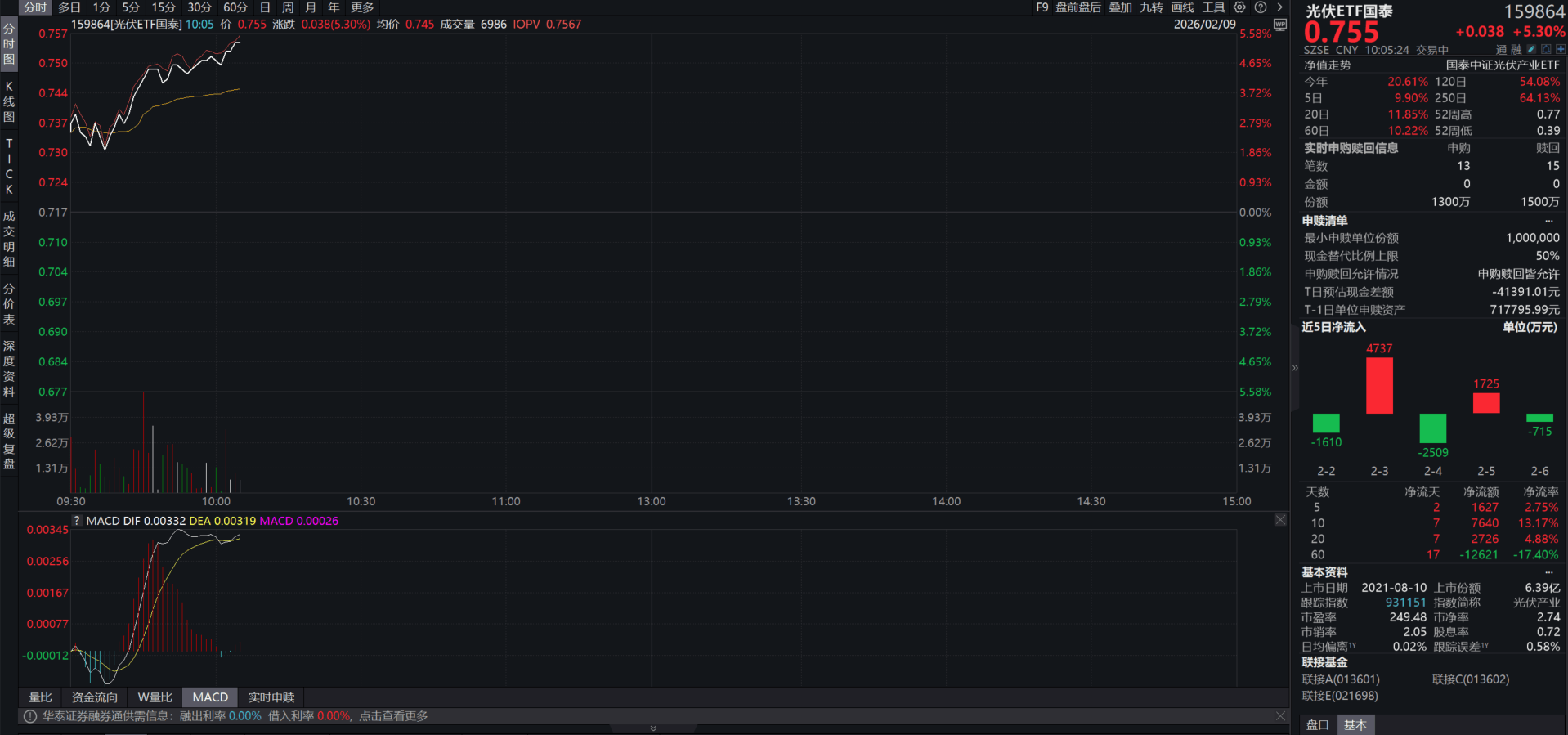
太空光伏概念再度活跃,光伏ETF国泰(159864)强势上涨超5%
Sou Hu Cai Jing· 2026-02-09 02:10
Core Viewpoint - The space photovoltaic sector is experiencing a significant surge, with the Guotai Photovoltaic ETF (159864) rising over 5%, indicating a market recognition of the industry's transition from a cyclical bottom to high-quality development supported by fundamental changes in supply and demand [1] Industry Overview - The commercialization of space photovoltaics is accelerating, opening up a trillion-level new market, with core investment opportunities concentrated in three areas: efficient battery technology iteration, equipment upgrades, and lightweight materials [1] - The demand for space photovoltaics is expected to grow exponentially, with global demand projected to exceed 100 GW by 2035, driven by low-orbit satellite networks [1] - The HJT battery is identified as a short-term core focus due to its ultra-thin and lightweight characteristics, suitable for low-orbit satellite needs, while perovskite/tandem batteries represent a long-term direction with domestic efficiency surpassing 34% [1] Supply and Demand Dynamics - The photovoltaic industry has passed its most challenging cycle, with a key window for supply-demand improvement and profit recovery expected in 2026 [2] - Supply-side dynamics are improving as the previous price war is alleviated through the exit of outdated capacities, with the CR5 in the silicon material segment exceeding 85%, leading to a price recovery from 40,000 CNY/ton to a range of 55,000-75,000 CNY/ton [2] - The cancellation of the export VAT rebate for photovoltaic products on April 1, 2026, is expected to accelerate the exit of small capacities and shift the industry focus from scale competition to technology and brand competition [2] Demand Trends - Global photovoltaic installations remain high at 580-620 GW, with domestic adjustments leading to an increase in distributed energy's share to over 60% [3] - Emerging markets in Africa, Latin America, and the Middle East are experiencing growth rates exceeding 30%, supported by policies like the US IRA and EU REPowerEU [3] - The integration of energy storage with photovoltaic systems is becoming standard, with mandatory storage ratios driving demand for inverters and storage solutions [3] Technological Advancements - Technological iteration is identified as the core growth driver for the photovoltaic industry in 2026, with N-type batteries fully replacing P-type, and market share reaching 96.9% [4] - The adoption of 210mm large-size silicon wafers and TOPCon technology, with over 25% mass production efficiency, is becoming mainstream [4] - The rise of perovskite/silicon tandem batteries, with efficiencies exceeding 30%, is expected to enter small-scale production by 2026, indicating significant long-term potential [4] Investment Opportunities - Future investment opportunities in the photovoltaic industry will focus on three main lines: profit recovery post-supply clearance, benefits from technological iterations, and growth driven by space photovoltaics [5] - For investors, utilizing index investment tools like the Guotai Photovoltaic ETF (159864) is recommended for efficient exposure to the photovoltaic sector, covering key segments across the entire industry chain [5][6]