近场通信

Search documents
隔空盗刷银行卡的黑锅,手机NFC不背
Xin Hua Wang· 2026-01-12 23:38
Core Viewpoint - The recent discussions on social media regarding NFC payment security highlight public concerns about potential unauthorized transactions, emphasizing that the real risks lie in information leakage and authorization processes rather than the NFC technology itself [1][4]. Group 1: Understanding NFC Technology - NFC, or Near Field Communication, operates at a frequency of 13.56 MHz and requires devices to be within 10 centimeters for effective communication, making it a short-range wireless communication technology [1]. - The NFC module in smartphones functions like a compact card reader and virtual card holder, supporting three modes: card emulation, reader mode, and peer-to-peer mode for efficient data exchange [2][3]. Group 2: Misconceptions About NFC and Fraud - NFC technology is often wrongfully labeled as a facilitator of fraud; however, experts clarify that it is merely a tool exploited by criminals who rely on sophisticated schemes to steal sensitive information [4]. - The fraud process typically involves two main steps: first, the theft of core information through deceptive tactics, and second, the remote binding and control of the victim's information to create a "virtual cloned card" [4]. Group 3: Safe Usage Practices for NFC - Users are advised to assess their NFC usage frequency; if used regularly, keeping it on may enhance convenience, while turning it off when not in use can eliminate potential risks [5]. - To safely use NFC, experts recommend three key practices: maintaining strict authorization protocols, setting up security barriers for payment applications, and being cautious of unfamiliar NFC interactions in crowded places [6][7].
支付宝“碰一下”又爆火了!产业链总身价或超1.5万亿
Ge Long Hui A P P· 2025-08-28 09:46
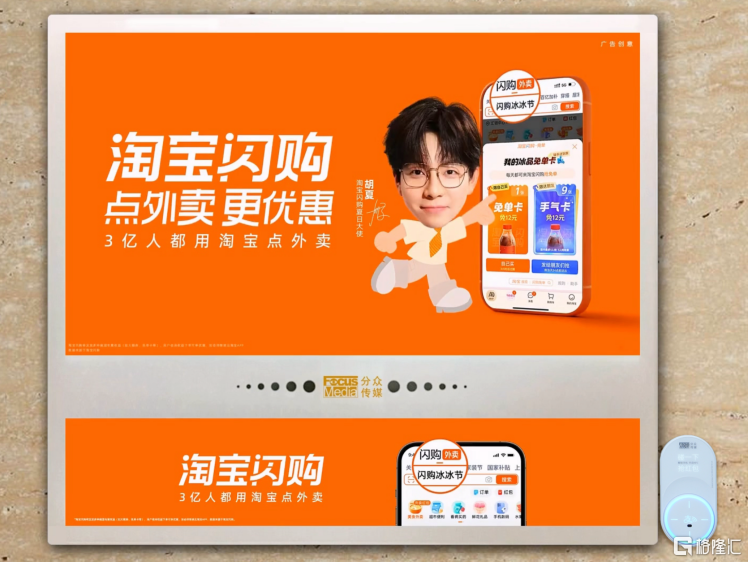
Core Insights - The article highlights the rapid growth and market impact of Alipay's "Tap" concept, which integrates technology, consumption, finance, and manufacturing, creating a robust capital market ecosystem [1][19] - The "Tap" ecosystem has attracted significant attention from the capital market, with related concept stocks experiencing substantial price increases and market capitalization growth [3][19] Market Performance - Companies like Aobo Zhongguang have seen their stock prices nearly double, with a year-to-date increase of nearly 100% [4] - Blues Technology has experienced a stock price increase of approximately 50% over the past six months, becoming a market favorite [6] - Fudan Microelectronics has seen its stock price rise over 30% since April, driven by its partnership with Alipay to develop specialized chips for the "Tap" payment system [8] Industry Composition - The "Tap" ecosystem includes a diverse range of companies across various sectors, such as new energy vehicles, consumer electronics, semiconductor manufacturing, media advertising, retail dining, real estate services, and transportation [1][10] - Leading companies in the ecosystem include BYD, which dominates the new energy vehicle market, and Blues Technology, which is a key supplier in the electronic glass and sapphire sectors [10][11] - The ecosystem also features niche champions like Aobo Zhongguang and Fudan Microelectronics, which hold critical positions in the supply chain due to their technological advantages [11] Ecosystem Expansion - The "Tap" concept has rapidly penetrated various service scenarios, with 17 products launched across different applications, enhancing user experience and operational efficiency for businesses [18][19] - The ecosystem is expected to evolve further, potentially integrating with IoT and blockchain technologies, which could redefine its role as a foundational infrastructure for the digital economy [19][20] Market Valuation - The total market capitalization of companies involved in the "Tap" ecosystem has exceeded 1.5 trillion RMB, indicating significant investor interest and confidence in the sector's growth potential [8][21] - The market structure resembles a pyramid, with hardware manufacturers and service entry companies at the top, followed by core technology suppliers and traditional industry players at the bottom [13][14]