追求真相

Search documents
新疆发展有鲜活的生命力(国际论坛)
Ren Min Ri Bao· 2025-12-01 22:11
Core Insights - The article emphasizes the importance of firsthand experience in understanding regions like Xinjiang, contrasting it with perceptions shaped by media narratives [4] Group 1: Observations from Xinjiang - The author visited Xinjiang three times, noting significant cultural and infrastructural developments during these trips [2][3] - The first visit in 2016 highlighted the warmth and confidence of local residents, particularly children, which contrasted with international narratives [2] - By 2018, the author observed substantial progress in Xinjiang, including modern infrastructure alongside traditional markets [2] Group 2: Cultural Exchange and Misconceptions - In 2023, a group of French scholars and publishers experienced a stark contrast between their expectations and the reality of Xinjiang, noting the vibrant local culture and community interactions [3] - The author published a book titled "The End of Uyghur Fake News" in 2020, which aimed to debunk myths about Xinjiang and received recognition from Chinese officials, leading to personal and professional challenges in France [3] Group 3: Recognition and Advocacy - The author received the Orchid Award for Outstanding Achievement, which serves as encouragement to continue advocating for truth and understanding in the face of adversity [3] - The article calls for Western nations to better understand China and its rich cultural heritage, emphasizing that true understanding comes from direct observation rather than hearsay [4]

文物诉说跨越国界的生死情谊(以物鉴史)
Ren Min Ri Bao· 2025-10-25 22:12
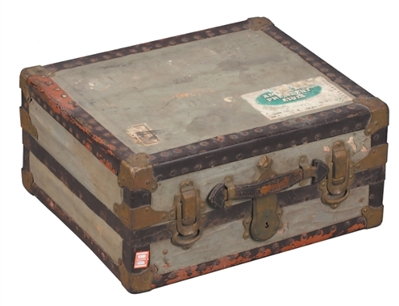
Core Viewpoint - The exhibition "International Friends and China's Anti-Japanese War" at the National Museum of China highlights the deep connections and support from international allies during China's struggle against Japanese aggression, showcasing artifacts that embody the spirit of resilience and solidarity [6][9]. Group 1: Artifacts and Their Significance - The exhibition features significant artifacts such as Edgar Snow's travel suitcase and the "Lugou Bridge" medical pack invented by Norman Bethune, which symbolize the profound friendships and the indomitable spirit of the Chinese people during wartime [7][8]. - Snow's fountain pen, used to write the initial manuscript of "Red Star Over China," played a crucial role in breaking the information blockade imposed by the Nationalist government, allowing the world to see the reality of the Communist-led Shaanxi-Gansu-Ningxia Border Region [7]. - The "Lugou Bridge" medical pack, designed to facilitate surgeries in the field, represents Bethune's dedication to saving lives, having successfully operated on 115 wounded soldiers over 69 hours before his untimely death due to infection [8]. Group 2: Stories of International Support - The exhibition also highlights the contributions of the Indian Medical Team, whose members adopted names with the character "Hua" to express their solidarity with the Chinese people, and their perilous journey to deliver medical supplies during the war [8]. - The stories of Soviet volunteer pilots and American Flying Tigers illustrate the global support for China's resistance, with many sacrificing their lives in the process [9]. - The narratives of individuals like John Rabe, who provided refuge for Chinese refugees, emphasize the collective effort and moral responsibility shared by the international community in the fight against oppression [9]. Group 3: Lessons and Values - The artifacts serve as a living history, conveying messages of truth-seeking, justice, selflessness, and unity, which are essential values for future generations [9][10]. - The exhibition aims to instill a sense of responsibility and courage in facing challenges, reminding people of the importance of solidarity and mutual assistance in achieving a better life [9].