酒精致癌

Search documents
饮酒的致癌风险被低估了,6种癌症几率升高
Xin Lang Cai Jing· 2026-01-09 14:34
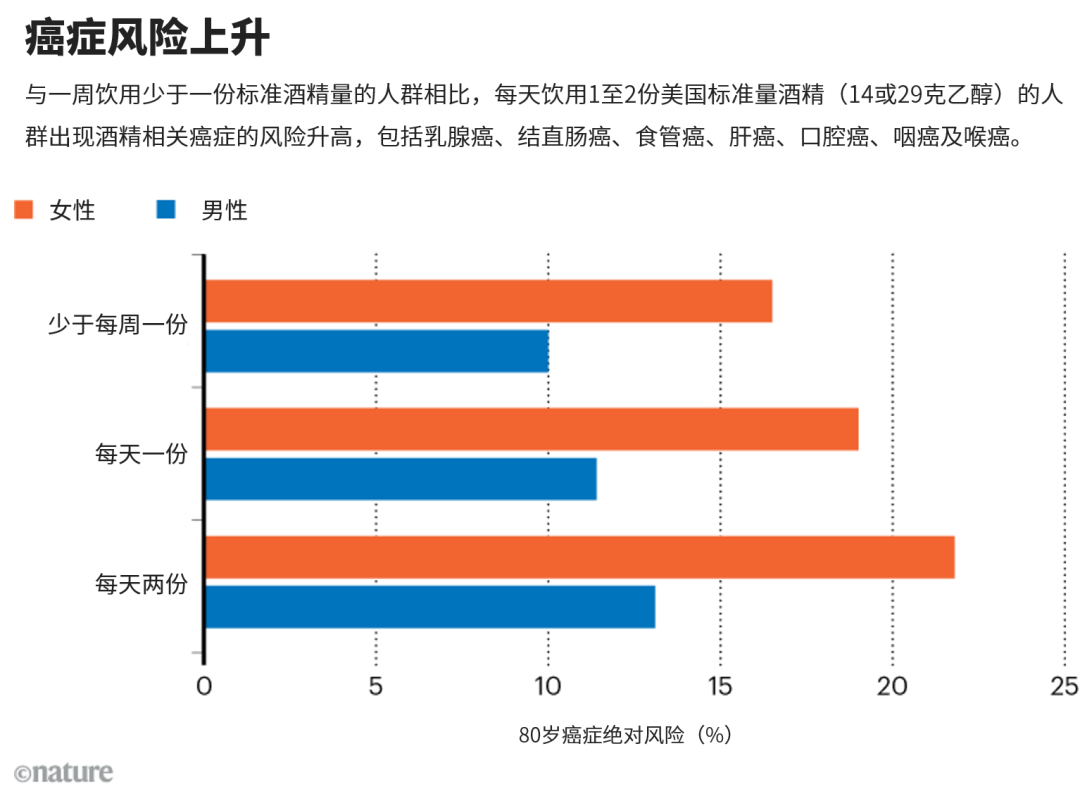
Core Viewpoint - A recent study published in the British Journal of Cancer Epidemiology indicates that the cancer risk associated with alcohol consumption is underestimated, highlighting that even moderate or light drinking increases the risk of cancer [1][3]. Group 1: Research Findings - The research analyzed 62 studies and found that drinking, especially frequent or heavy drinking, significantly increases the risk of various cancers, including colorectal, breast, liver, oral, esophageal, and stomach cancers; moderate drinking also poses risks [4]. - The likelihood of developing cancer increases with the amount of alcohol consumed, particularly in individuals with a family history of cancer, obesity, or diabetes [4]. - In men, frequent drinking raises cancer risk, while in women, intermittent heavy drinking shows a more pronounced cancer risk [4]. Group 2: Biological Mechanism - Alcohol is metabolized primarily in the liver, where it is first converted to acetaldehyde, a Class 1 carcinogen that directly damages DNA and interferes with DNA repair, effectively giving cancer cells a "green light" [4]. - The accumulation of DNA damage from acetaldehyde is a core reason for cancer development, and alcohol metabolism also produces reactive oxygen species, leading to oxidative stress and chronic inflammation, which further enhances cancer risk [4]. Group 3: Misconceptions about Alcohol Consumption - The belief that facial flushing indicates a higher tolerance for alcohol is misleading; it signals a rapid accumulation of acetaldehyde, increasing the risk of cancers such as esophageal cancer [6][7]. - There is a misconception that red wine is less carcinogenic; all alcoholic beverages, regardless of type, produce acetaldehyde upon metabolism, thus carrying cancer risks [9]. - A study published in The Lancet involving 28 million people concluded that there is no "safe level" of alcohol consumption, with the safest amount being zero; any drinking behavior may elevate cancer risk [11].

小酌怡情还是致癌?
Hu Xiu· 2025-09-13 06:23
Group 1 - The core viewpoint of the article emphasizes the significant link between alcohol consumption and an increased risk of at least seven types of cancer, as highlighted in a report by U.S. Surgeon General Vivek Murthy [1][9][19] - Alcohol has been classified as a carcinogen for over 35 years, with accumulating evidence supporting its association with various cancers [2][6] - The report calls for cancer warning labels on alcoholic beverages, similar to those on tobacco products, to raise public awareness of the risks [1][19] Group 2 - Research indicates that alcohol consumption is linked to an increased risk of cancers such as oral, throat, esophageal, breast, colorectal, and liver cancer [9][10] - The risk of developing these cancers rises with the amount of alcohol consumed, with specific thresholds identified for different cancer types [14][16] - Studies show that even low to moderate alcohol consumption can elevate cancer risk, challenging the notion of a "safe" drinking level [15][23] Group 3 - The article discusses the complexities of defining "moderate" drinking and the challenges in weighing the enjoyment of alcohol against its health risks [3][4] - It highlights the need for clear guidelines on alcohol consumption, as different countries define standard drinking amounts differently [10][25] - The Canadian drinking guidelines suggest that no amount of alcohol is beneficial to health, and any consumption carries risks [25]