
重组人白蛋白技术

Search documents
“稻米造血”引资本追捧 禾元生物市值冲高 血制品行业影响几何?
Mei Ri Jing Ji Xin Wen· 2025-10-29 15:16
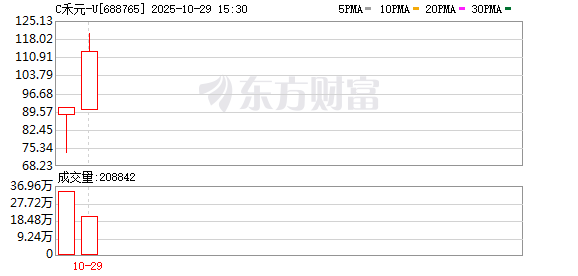
Core Viewpoint - He Yuan Bio's innovative "rice blood production" technology aims to revolutionize the production of human serum albumin, addressing supply shortages and virus transmission risks associated with traditional plasma extraction methods [2][3][4]. Company Overview - He Yuan Bio, founded by Professor Yang Daichang's team from Wuhan University in 2006, recently launched its core product, HY1001 (recombinant human albumin injection), becoming the first plant-derived recombinant human albumin drug approved in China [2][3]. - The company made its debut on the STAR Market, experiencing a stock price surge of over 200% on its first trading day, with a market capitalization exceeding 405 billion yuan by October 29 [3][4]. Technology and Innovation - The "rice blood production" technology involves inserting the human serum albumin gene into rice cells, allowing for the extraction and purification of recombinant human serum albumin with a purity of 99.9999% [3][4]. - This method not only mitigates the risks associated with plasma extraction but also enhances the domestic supply capacity of human serum albumin [5]. Market Context - The demand for human serum albumin in China is projected to grow, with a significant reliance on imported products, which accounted for 69% of the supply as of 2024 [4]. - The primary clinical applications of human serum albumin include treatment for liver disease, kidney disease, and as an adjunct therapy for malignant tumors, highlighting its critical role in healthcare [4]. Competitive Landscape - He Yuan Bio faces competition from four other domestic companies developing recombinant human albumin products, primarily using yeast as raw materials [6]. - The fastest competitor, Tonghua Anruite, has already received approval for its product in Russia and Kyrgyzstan, while other companies are at various stages of clinical trials [6]. Clinical Development - Currently, He Yuan Bio's recombinant human albumin has only one approved indication for treating liver cirrhosis with low albumin levels, which constitutes about 30% of the overall market [7]. - The company is actively pursuing expansion into the U.S. market, with plans to complete Phase III clinical trials by 2025 and submit a marketing application in 2026 [7]. Additional Products - Besides recombinant human albumin, He Yuan Bio is also developing other products, including recombinant human lactoferrin lysozyme oral solution for treating acute diarrhea in children, currently in Phase III trials [8].

禾元生物科创板IPO注册生效 同日“稻米造血”药品获批上市
Zheng Quan Ri Bao Wang· 2025-07-19 02:48
Core Insights - The China Securities Regulatory Commission has approved Wuhan Heyuan Biotechnology Co., Ltd. for its initial public offering (IPO) registration [1] - The National Medical Products Administration has granted priority review approval for Heyuan's recombinant human albumin injection (brand name: Aofumin), making it the first recombinant human serum albumin product approved for sale in China [1] - Heyuan Biotechnology aims to raise 2.4 billion yuan through its IPO, primarily for the construction of an industrialization base for recombinant human albumin, new drug research and development, and to supplement working capital [1] Company Overview - Heyuan Biotechnology, established in 2006, focuses on innovative drug research and development [1] - The company’s recombinant human albumin is derived from rice endosperm cell expression, a process referred to as "rice blood production" [1] Market Potential - The third-generation technology platform of Heyuan has achieved an expression level of 20 to 30 g/kg for rice human albumin, marking a significant technological breakthrough [2] - The company’s industrialization base is expected to produce 12 million vials of recombinant human serum albumin annually, with operations projected to commence in the second quarter of 2026 [2] - Heyuan anticipates a substantial market opportunity for its product HY1001, with projected sales revenues of 444 million yuan in 2026 and 1.567 billion yuan by 2030, addressing the current reliance on imports for human serum albumin in China [2]