金融狙击

Search documents
2019年索罗斯企图做空香港!20万手空单遭闷杀,损失24亿
Sou Hu Cai Jing· 2025-10-02 22:49
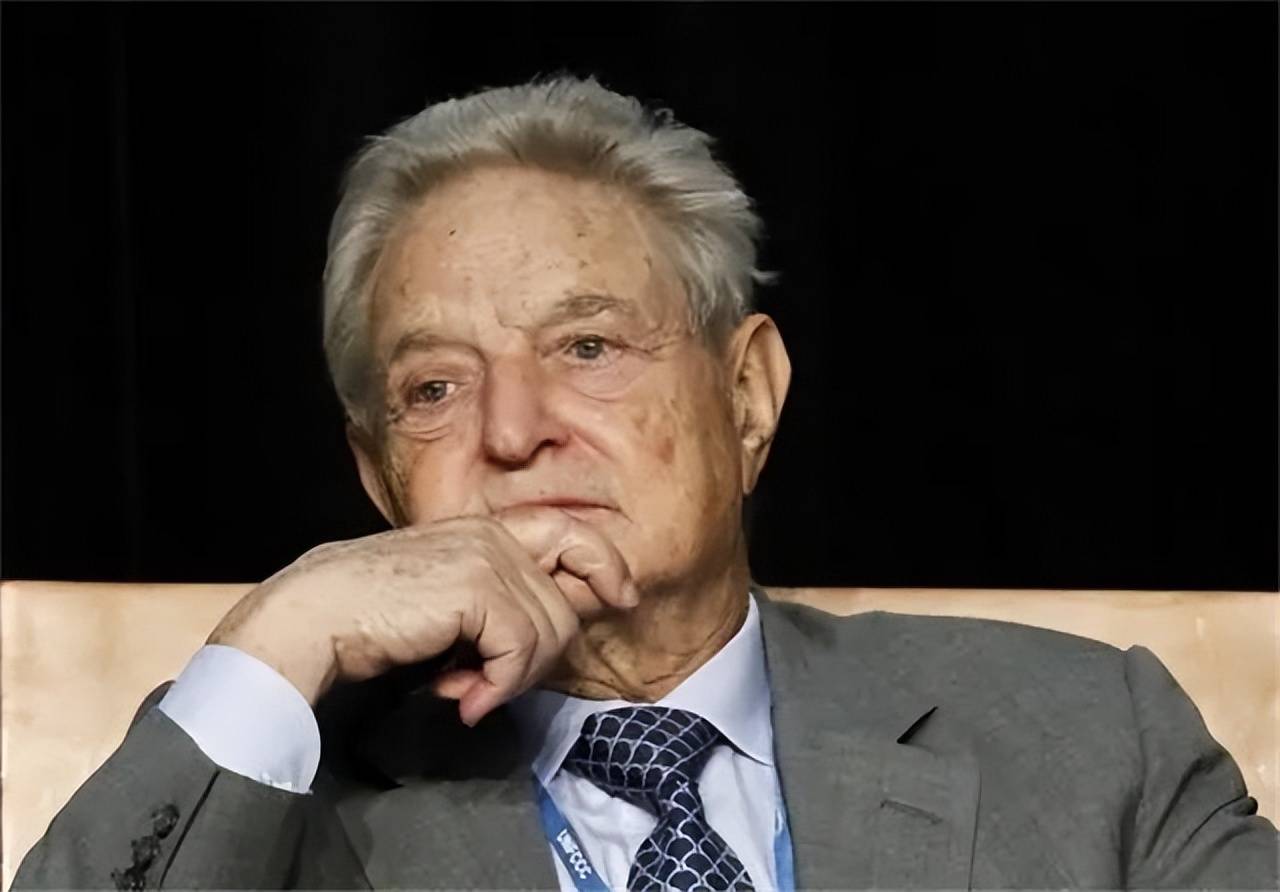
Core Insights - George Soros is a prominent figure in the financial world, known for his dual role as a legendary investor and a controversial "financial predator" [1][3][11] - His philanthropic efforts include donating over $7 billion globally, focusing on helping vulnerable groups and disaster relief [3][11] - Soros's investment strategies have led to significant financial events, including the famous attack on the British pound in 1992, which earned him $650 million [5][11] Group 1: Investment Strategies - In the early 1990s, Soros capitalized on the weak British economy, leading to the pound's exit from the European Exchange Rate Mechanism [5] - In 1997, he targeted the Thai baht, contributing to the Southeast Asian financial crisis [8] - Soros attempted to manipulate the Hong Kong dollar in 1998 and again in 2016, but faced significant resistance from the Hong Kong government, resulting in substantial losses [9][9] Group 2: Philanthropy and Influence - Soros established a foundation in 1979, focusing on social causes and poverty alleviation across over 60 countries [3][11] - His life reflects a complex legacy, being both a benefactor and a figure of financial controversy, highlighting the dual nature of financial markets as both opportunities and risks [11][14] - Soros's impact on global finance is undeniable, with his actions serving as lessons in market dynamics and investor behavior [14]

1998年,索罗斯对俄罗斯的金融狙击战志在必得,结局如何?
Sou Hu Cai Jing· 2025-10-01 10:49
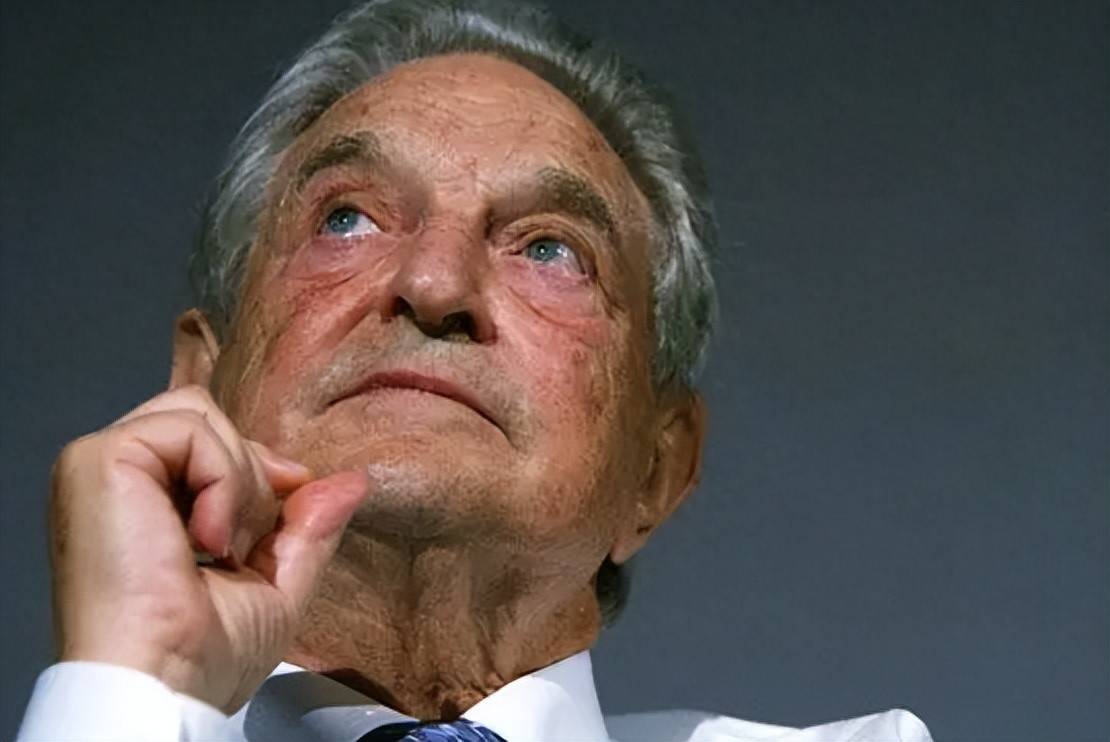
Core Insights - The article discusses the intense financial battle between the Russian government and financier George Soros during the 1998 Russian financial crisis, highlighting the significant losses Soros faced and the broader implications for international investors [1][17]. Group 1: Crisis Background - In the mid-1990s, Russia's economy appeared to be transitioning, but underlying issues such as high fiscal deficits, severe capital outflows, and a reliance on oil and gas were present [4]. - Soros recognized the vulnerabilities in the Russian economy, predicting a devaluation of the ruble, which led him to strategically position his investments [4]. Group 2: Soros's Strategy - By 1997, signs of ruble depreciation emerged, prompting Soros's Quantum Fund to buy rubles and engage in leveraged trading, betting on the decline of the ruble and Russian assets while increasing holdings in stable currencies like the US dollar and German mark [6]. - In 1998, as the Russian economy faced a full-blown crisis characterized by recession, soaring inflation, and expanding fiscal deficits, Soros intensified his short-selling of the ruble and Russian stocks [9]. Group 3: Government Response - The Russian government unexpectedly abandoned its fixed exchange rate policy on August 17, 1998, allowing the ruble to float freely, which led to a rapid devaluation and market collapse [11]. - In response to the crisis, the government implemented measures such as freezing domestic bank funds and restricting capital flows, which hindered Soros's ability to continue his short-selling strategy [11]. Group 4: Consequences for Soros - Soros suffered significant losses, admitting to a $2.4 billion loss in 1999, which he described as the biggest failure of his investment career, leading him to avoid the Russian market in the future [13]. - The crisis not only impacted Soros but also resulted in severe economic turmoil for the Russian populace, with lasting effects on the economy and society [17]. Group 5: Historical Significance - The 1998 Russian financial crisis serves as a classic case in financial history, illustrating the risks inherent in capital operations and the potential for significant losses due to policy changes and uncontrollable factors [18]. - Soros's experience in Russia provided him with profound lessons about the complexities of financial markets and the consequences of aggressive investment strategies [18].