金钱的本质

Search documents
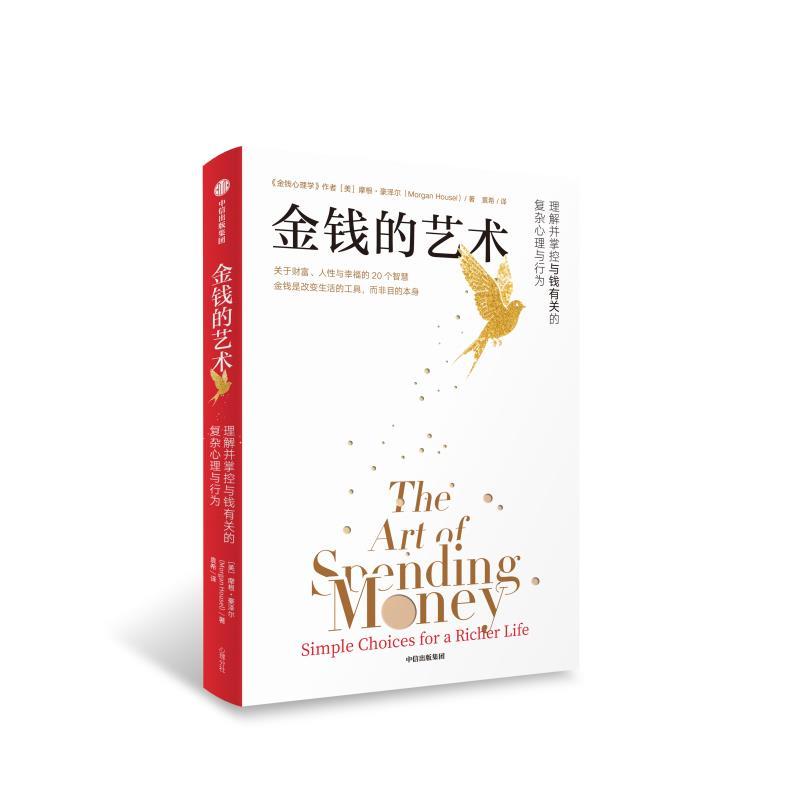
不确定时代,解开这三道金钱谜题,让你更富有
Jing Ji Guan Cha Wang· 2026-02-11 09:23
Core Insights - The article emphasizes that money is not inherently valuable but serves as a "social passport" within a network of exchange, raising fundamental questions about the nature and function of money [2][4][15] - The narrative of "The Money Detective" intertwines a detective story with economic principles, challenging readers to rethink their understanding of money and its role in society [2][15] Group 1: Understanding Money - Money is a universally accepted "accounting symbol" that facilitates trade and cooperation among individuals [3][4] - The value of money is derived from societal rules and acceptance, rather than its physical form [4][6] - Taxation plays a crucial role in establishing the acceptance of money as a medium of exchange [6][14] Group 2: The Limitations of Money - Money cannot solve problems; it is the actions of individuals that address issues [8][10] - The article argues that viewing money as a universal solution leads to anxiety, as there are many aspects of life that money cannot buy [9][10] - The focus should shift from merely accumulating wealth to understanding what resources and opportunities money can provide [10][14] Group 3: The Role of Savings - Saving money is important, but it should not be the sole source of security; a broader perspective is necessary [11][12] - The article suggests categorizing savings into three types: safety net, capability enhancement, and relationship building, to better manage risks [14][15] - The emphasis is on transforming money into skills and relationships rather than hoarding it as mere numbers [14][20] Group 4: Societal Implications of Money - The book discusses broader societal issues such as wealth disparity and the importance of collaboration and trust in economic systems [15][16] - Money is portrayed as a connector within a social network, rather than an isolated asset, encouraging a shift from individualistic to collective perspectives [16][20] - Every expenditure reflects the kind of society one wishes to support, highlighting the social responsibility tied to financial decisions [20]


普通人必须知道的3大财富真相
3 6 Ke· 2025-10-10 07:27
Core Insights - Money is not just a numerical game but is deeply connected to personal narratives about what is important, what brings happiness, and how success is measured [1][3] - True wealth is defined by independence and the ability to control one's life rather than material possessions [4][5] - The concept of "silent compounding" emphasizes the importance of patience and long-term investment strategies over quick gains [5][10] Group 1: What is Money? - Money is viewed as a tool for freedom and independence, allowing individuals to live life on their own terms [3][4] - Every dollar saved is seen as a "voucher" for future choices, while debt represents a loss of control over one's future [4][5] - The idea that there is no such thing as "unspent money" highlights that all earned money will eventually be utilized in some form [3][4] Group 2: How Ordinary People Can Build Wealth - The principle of "silent compounding" is crucial for wealth accumulation, focusing on long-term savings and investments rather than immediate gratification [5][6] - Many successful individuals achieve wealth through consistent saving and investing over decades, without succumbing to societal pressures [5][6] - The importance of internal metrics over external comparisons is emphasized, as societal comparisons can lead to financial stress and poor decision-making [7][8] Group 3: How to Spend Money for Greater Freedom - Balancing the philosophies of "life is short" and "life is long" is essential for making financial decisions that minimize future regrets [12][13] - Creating meaningful memories is highlighted as a way to balance present enjoyment with future savings, as experiences often yield greater long-term satisfaction [14][15] - The act of saving is framed as a means to gain independence and reduce anxiety, rather than a sacrifice of present enjoyment [16][17] Group 4: The Importance of Personal Choice in Spending - Individuals are encouraged to explore various spending methods to discover what brings them joy, while eliminating expenditures that do not add value [20][21] - The significance of trying new experiences is noted, as diversity in spending can enhance life satisfaction and create lasting memories [24][26] - Understanding personal preferences and rejecting societal pressures is crucial for making fulfilling financial choices [22][23]