
银行存款利率下行

Search documents
100万积蓄,五年期存款利率3.85%,要存吗?内行人:请三思而后行
Sou Hu Cai Jing· 2026-02-15 05:33
Core Insights - Chinese residents exhibit a high savings enthusiasm, with a savings rate of 46%, significantly above the global average of 29% [1] - In the first half of this year, new deposits from residents in Chinese financial institutions reached an astonishing 10.33 trillion yuan, surpassing the total new deposits of previous years [1] - The motivation behind this trend is the uncertainty regarding the future, including concerns over recurring pandemics, unemployment risks, and health issues [1] Group 1: Bank Deposit Rates - Current domestic bank deposit rates are generally below 3%, with state-owned banks offering five-year deposit rates around 2.6%, which is lower than the 3.85% offered by some smaller banks [2] - Smaller commercial banks, such as rural commercial banks and village banks, may offer higher rates but come with increased risks of potential bankruptcy [2] - Deposit insurance for these smaller banks only covers amounts up to 500,000 yuan, meaning that depositing all savings in such banks is not advisable [2] Group 2: Liquidity Considerations - A five-year fixed deposit means that funds cannot be accessed flexibly during that period, necessitating careful evaluation of the likelihood of needing to withdraw funds early [4] - If early withdrawal is necessary, banks typically calculate interest at the current savings rate, leading to significant interest losses for depositors [4] Group 3: Investment Opportunities and Inflation - Locking in a five-year rate of 3.85% may not be the best choice due to the unpredictable nature of future investment markets, which could present better opportunities [6] - With ongoing inflation, the purchasing power of 1 million yuan may significantly decrease over five years, making a five-year fixed deposit potentially unwise [6] Group 4: Structured Deposits - Some banks offering "high-interest" five-year deposits may actually be providing structured deposits, where part of the deposit is invested in markets like stocks or funds [8] - While principal is protected, there is a risk of losing interest if the investments do not perform well, necessitating careful consideration of the risks and returns associated with such products [8]


马云预言应验?2026年起,手里有存款的人,可能面对这4个现实
Sou Hu Cai Jing· 2026-02-11 11:25
Core Viewpoint - The increasing trend of domestic savings among Chinese residents is driven by the need to prepare for unexpected events and future expenses, while the declining interest rates on bank deposits pose challenges for those relying on interest income [1][4]. Group 1: Current Savings Trends - Domestic residents' savings have surpassed 166 trillion yuan, with an average savings of 118,000 yuan per person [1]. - The primary motivations for saving include preparing for unemployment, illness, children's education, home renovations, retirement, and large purchases [1]. Group 2: Declining Interest Rates - Starting in 2024, bank deposit interest rates are on a downward trend, with the three-year fixed deposit rate dropping from 3.25% to 1.55% [4]. - This decline results in a significant reduction in interest income, with a 1 million yuan deposit yielding only 15,500 yuan annually, a decrease of 17,000 yuan compared to previous rates [4]. Group 3: Investment Risks - Many savers are considering withdrawing their deposits to invest in stocks, funds, and other high-yield products, but most face losses due to lack of experience and a challenging investment environment [8]. - The current market conditions make it difficult for even seasoned investors to avoid losses, increasing the risk for average savers [8]. Group 4: Entrepreneurship Challenges - The idea of using savings to start a business is fraught with risks, as many entrepreneurs face high failure rates due to slow income growth, declining consumer demand, and intense competition [11]. - Rising costs for rent, labor, and materials further complicate the potential for successful entrepreneurship [11]. Group 5: Social Pressure from Borrowing - Individuals with significant savings often encounter requests for loans from friends and family, creating a dilemma between lending money and risking relationships [13]. - The reasons for borrowing can vary widely, adding to the complexity of the decision-making process for savers [13].
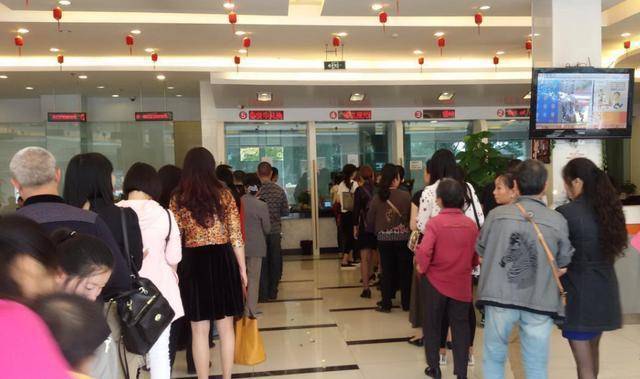
银行存款利率 加速进入“1时代” 3年期5年期利率倒挂
Shen Zhen Shang Bao· 2025-05-05 16:32
Group 1 - The overall trend indicates that bank deposit rates are rapidly entering the "1 era," with deposits offering rates above 2% becoming scarce [1] - As of March 2025, the average deposit rates for various terms are as follows: 3-month at 1.249%, 6-month at 1.449%, 1-year at 1.566%, 2-year at 1.666%, 3-year at 2.042%, and 5-year at 1.883% [1] - There is a notable decline in the average deposit rates for 3-year and 5-year terms, while short-term rates have seen slight increases [1] Group 2 - Banks are reducing long-term deposit rates to mitigate the risk of high-interest liabilities during future interest rate declines, indicating an expectation of continued market rate decreases [2] - Since February 2025, bank deposit rates have generally declined, influenced by central bank policies aimed at curbing high-interest deposit acquisition [2] - The trend suggests that there is still room for further reductions in bank deposit rates due to multiple factors, including low market rates and the need for banks to control liability costs [2] Group 3 - Market interest rates are expected to remain on a downward trend, with potential further declines in deposit rates [3] - Individuals are advised to consider their risk tolerance and investment needs when allocating assets, with suggestions to diversify into cash management products, money market funds, and government bonds for stable returns [3] - For those with higher risk tolerance, it is recommended to consider increasing allocations to stocks, equity funds, and gold [3]