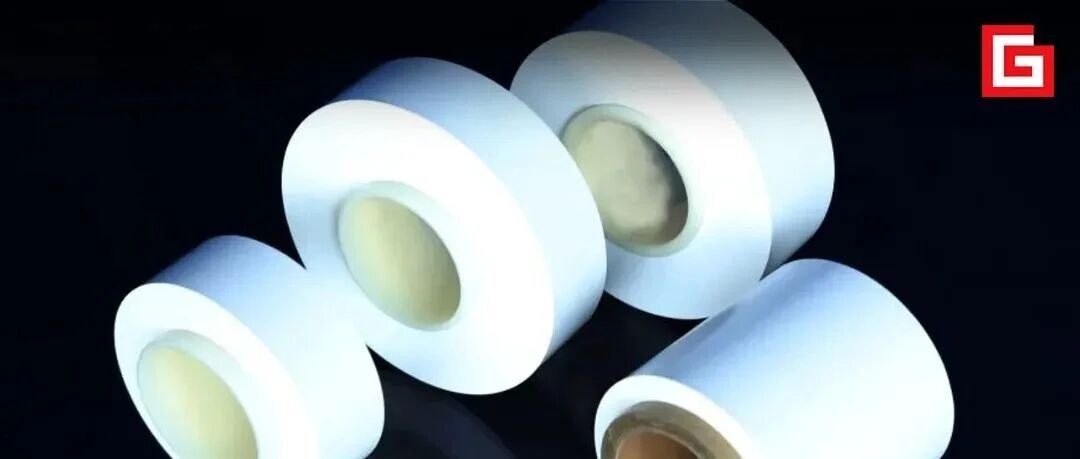
锂电隔膜供需分化

Search documents
5μm锂电隔膜供给趋紧
高工锂电· 2026-03-16 12:26
Core Viewpoint - The lithium battery separator industry is experiencing a shift towards high-end products, particularly the 5 μm wet separators, which are seeing increased demand and a significant technical premium in the market [4][11]. Group 1: Market Dynamics - Recent industry reports indicate a slight price increase for high-end wet separators during annual long-term contract negotiations, with the 5 μm separators showing the most notable supply-demand changes [4]. - The overall separator production capacity remains ample, but effective supply for high-end separators is tightening due to rapid demand growth from power batteries [4][9]. - By 2025, China's lithium battery separator shipment volume is projected to reach 32.3 billion square meters, a year-on-year increase of 45.4% [4]. Group 2: Technology Trends - The separator technology is increasingly focusing on wet processes, with wet separators expected to account for over 80% of the market by 2025, while dry separators' market share continues to decline [5]. - The introduction speed of 5 μm separators is accelerating due to advancements in power and energy storage battery technologies [6]. Group 3: Supply and Demand - Despite the growing demand for 5 μm separators, supply capabilities remain limited, with a structural supply-demand gap beginning to emerge [9]. - It is estimated that by 2026, the demand for 5 μm separators could reach 450 to 500 million square meters per month, while the current stable supply capacity is around 400 million square meters [9]. - Companies like Jinneng Technology and Blue Science & Technology are leading the supply of 5 μm separators, while others are ramping up testing and production [9]. Group 4: Pricing and Cost Pressures - The 5 μm separators command a technical premium of approximately 60%, and rising crude oil prices are exerting cost pressures on raw material suppliers, which could support future price increases for separators [11]. - Although price increases are likely, there is still unsold inventory in the market, and short-term price stability will depend on inventory digestion and production ramp-up progress [12].