错峰旅行

Search documents
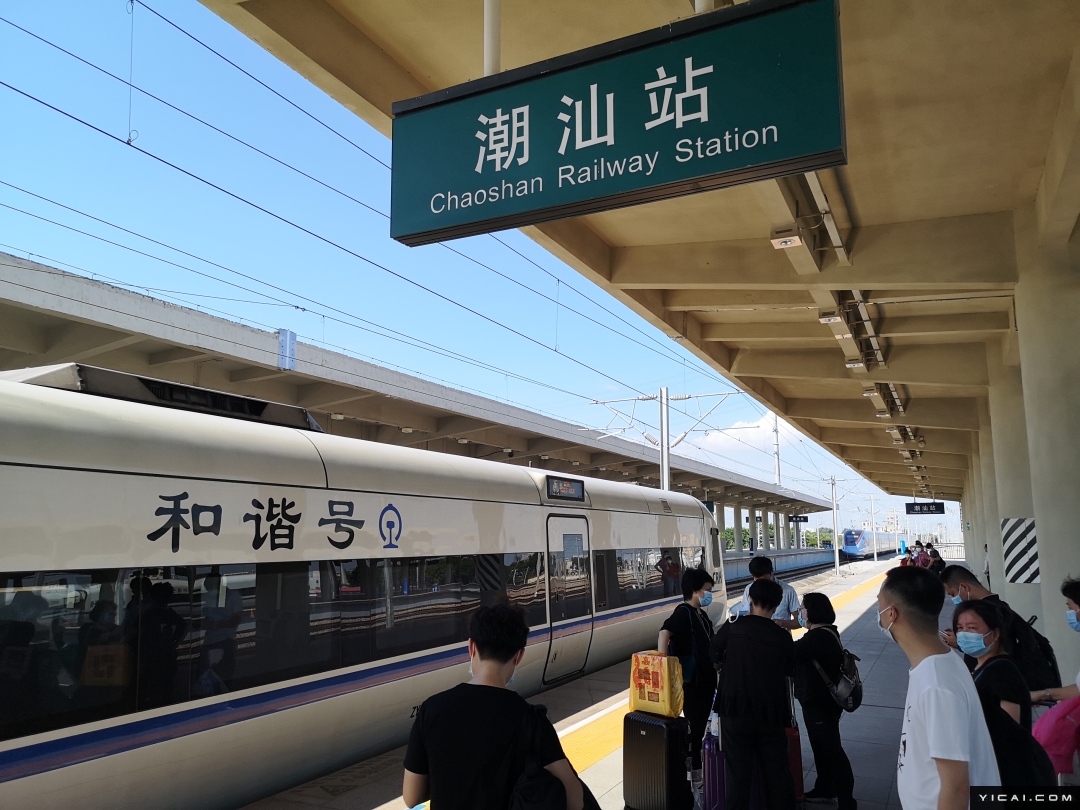
2450元降至118元!春节假期过后 有潮汕酒店价格大降95%
Di Yi Cai Jing· 2026-02-24 12:47
Core Insights - The travel industry is experiencing a significant shift in hotel booking trends post-Chinese New Year, with a notable increase in demand for high-quality accommodations, particularly among the elderly demographic [1][2][4] Group 1: Hotel Booking Trends - On February 24, the top ten cities for hotel bookings in China included Beijing, Shanghai, and Chongqing, with Chongqing, Kunming, and Xi'an seeing year-on-year booking increases of 67%, 56%, and 42% respectively [1] - High-quality hotel bookings have surged over 130% compared to the previous year, indicating a strong preference for premium accommodations [1] - The proportion of bookings made by individuals aged 60 and above has increased by over 30% year-on-year [1] Group 2: Price Fluctuations - Hotel prices in popular tourist destinations like Chaozhou saw dramatic increases during the Spring Festival, with some prices rising over 20 times, but have since dropped significantly, with declines reaching up to 95% [2][3] - Specific examples include the Tevina Hotel in Shantou, where prices fell from over 1400-2450 yuan per night during the holiday to 118-478 yuan post-holiday, marking a maximum drop of 95% [2] - Similar price reductions were observed in other hotels in Shantou and nearby areas, with declines ranging from 78% to 90% [3] Group 3: Future Outlook - The travel industry anticipates a continued increase in domestic travel as the peak of the return flow of workers is expected to conclude around the Lantern Festival, coinciding with the spring flower viewing season [4] - This upcoming period is expected to see further reductions in travel costs and hotel prices compared to the Spring Festival [4]
2450元降至118元!春节假期过后,有潮汕酒店价格大降95%
Di Yi Cai Jing· 2026-02-24 12:41
Core Insights - Hotel prices in popular tourist destinations like Chaoshan have drastically decreased after the Spring Festival, with declines reaching up to 95% [1][4][5] - The travel demand has shifted, with a notable increase in bookings for high-quality hotels, particularly among the elderly demographic [1][2] Group 1: Hotel Price Trends - Hotel prices in Chaoshan surged during the Spring Festival, with increases of over 20 times, but have since plummeted, with the highest drop recorded at 95% [1][4] - Specific examples include the Tevina Hotel in Shantou, which saw prices drop from over 1400-2450 yuan per night during the festival to 118-478 yuan post-festival, marking a 95% decrease [4] - Other hotels in the region, such as the Atour Hotel and Vienna International Hotel, also experienced significant price reductions, with declines ranging from 78% to 90% [5] Group 2: Travel Demand and Booking Trends - Popular domestic travel destinations during the Spring Festival included Shanghai, Beijing, and Guangzhou, with emerging smaller cities gaining traction due to unique cultural offerings [2] - There has been a notable increase in bookings for high-quality hotels, with a growth rate exceeding 130% compared to the previous year, particularly among travelers aged 60 and above [1][2] - The upcoming spring flower viewing season is expected to further stimulate domestic travel, leading to lower travel costs and hotel prices compared to the Spring Festival period [5]

算了算上周“账单”,很多人开始期待“灵活休假”
3 6 Ke· 2025-05-12 02:07
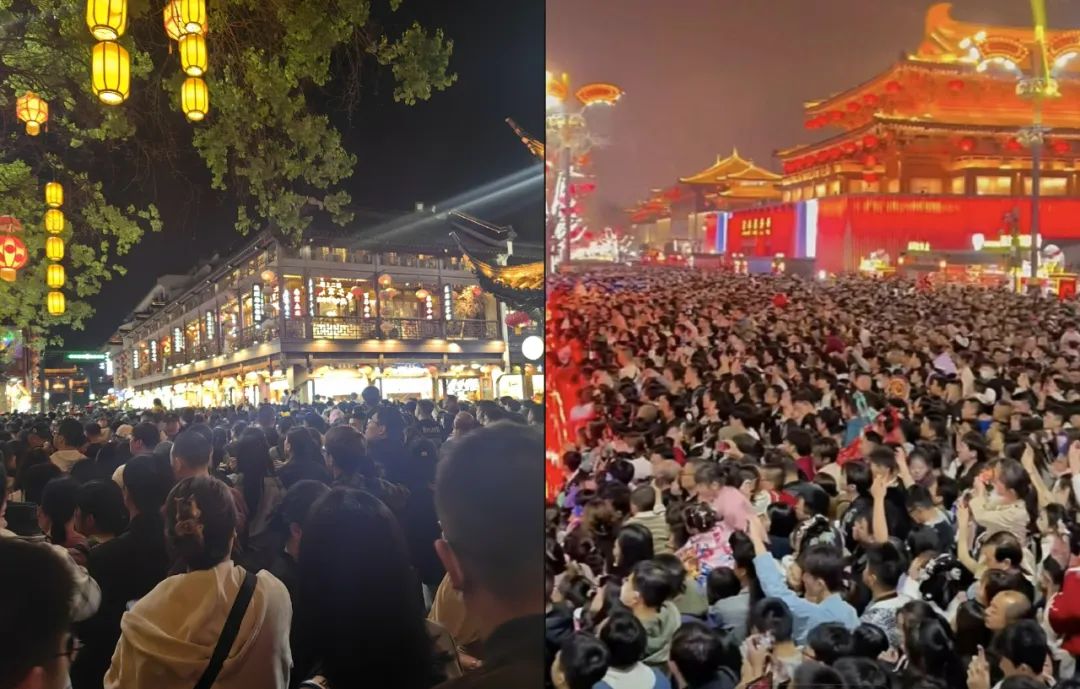
Core Insights - The article discusses the overwhelming crowds and challenges faced during the "May Day" holiday travel in China, highlighting the need for flexible vacation policies to alleviate pressure on tourism resources [8][24][25]. Group 1: Travel Statistics - According to the Ministry of Culture and Tourism, an estimated 314 million domestic trips are expected during the 2025 "May Day" holiday, representing a 6.4% increase year-on-year [13]. - The total expenditure by domestic tourists is projected to reach 180.27 billion yuan, marking an 8.0% increase compared to previous years [13]. Group 2: Travel Experience Challenges - Many travelers reported poor experiences due to overcrowding, with popular destinations becoming "battlefields" rather than enjoyable sites [27]. - The high demand for accommodations led to significant price increases, with some hotels charging several times their usual rates, causing frustration among travelers [25][24]. Group 3: Flexible Vacation Policies - The article advocates for the promotion of "flexible vacation" policies to distribute travel demand more evenly throughout the year, potentially reducing the strain on popular destinations during peak times [10][29]. - Implementing such policies could enhance the overall travel experience by allowing tourists to avoid crowds and high prices, thus improving tourism quality [30][31]. Group 4: Economic Implications - The concentration of travel during peak holidays can lead to inflated operational costs for tourism-related businesses, limiting profit margins [31]. - A more staggered approach to vacations could extend the tourism consumption cycle, benefiting both businesses and consumers by balancing demand and supply [32]. Group 5: Implementation Challenges - The article notes that while flexible vacation policies could alleviate some issues, they face challenges such as disrupting educational schedules and maintaining necessary staffing in critical sectors like healthcare [34][35]. - A balanced approach that allows for partial staggered vacations could meet operational needs while still addressing tourism demand [38]. Group 6: Examples of Successful Implementation - Some educational institutions, like Qingdao Binhai College and schools in Hangzhou, have successfully implemented staggered vacation models, allowing families to travel during less crowded times [41][43]. - These examples demonstrate the potential benefits of flexible vacation policies in reducing peak travel pressures and enhancing the travel experience for families [44].