长江文明溯源研究

Search documents
专家确认鲍家遗址是环太湖地区最早史前遗址
Xin Hua She· 2025-11-17 09:00
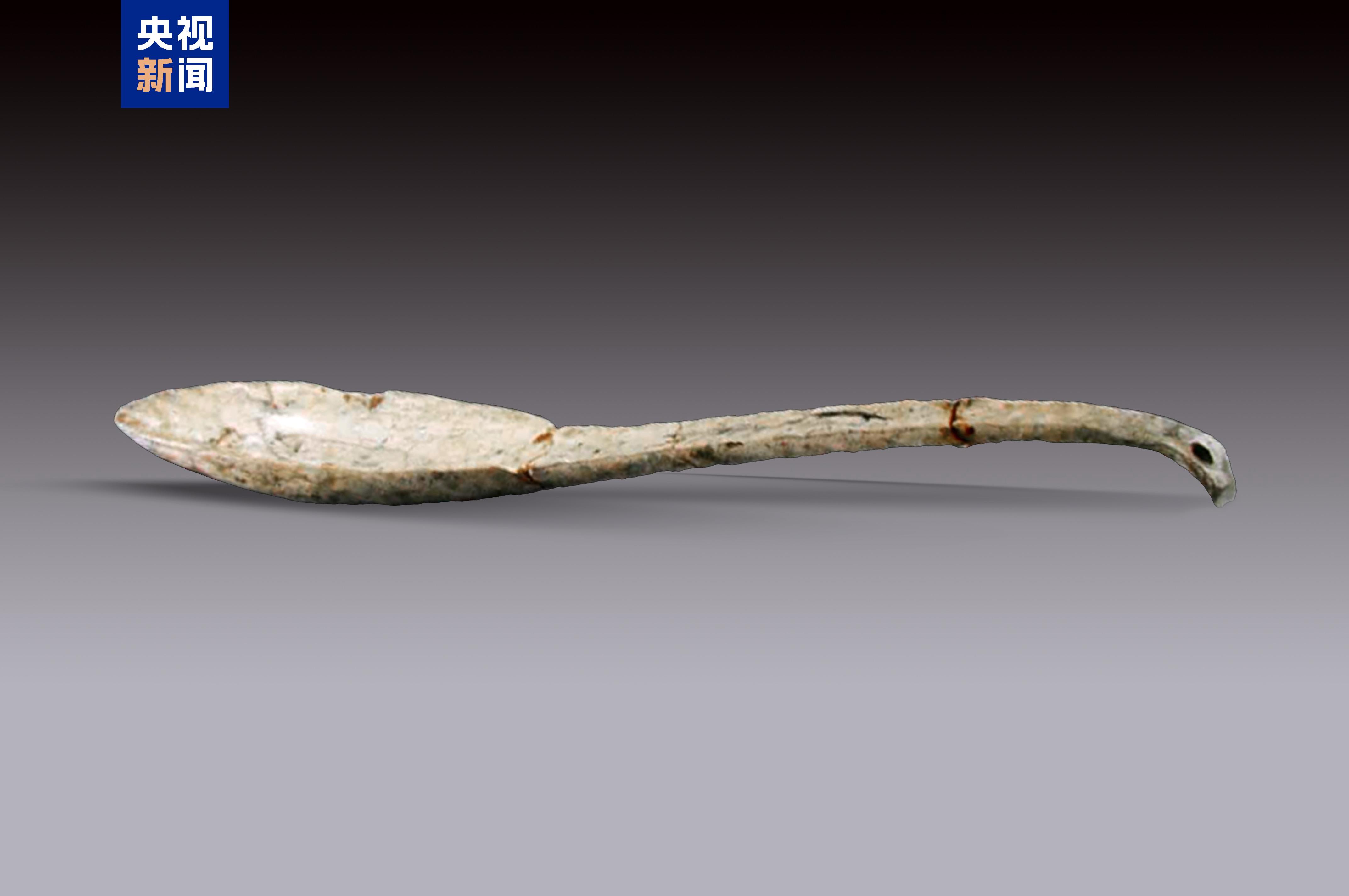
Core Insights - The Baojia site in Liyang, Jiangsu, is confirmed to be the earliest known prehistoric site in the Taihu region, dating back 7,500 to 8,100 years [1][2] Archaeological Findings - The site covers an area of 20,000 to 30,000 square meters and features an ancient river channel with a trumpet-shaped mouth, where significant organic materials and human activity remains were discovered, including pottery, wooden artifacts, and woven items [1] - Over 200 ash pits were excavated on the eastern terrace, yielding charcoal, burnt soil particles, and fragments of pottery, with one animal burial pit containing a dog skeleton [2] Cultural Significance - Experts from nearly 10 research institutions agree that the Baojia site possesses distinct cultural characteristics that challenge the existing archaeological cultural framework of the region, filling a critical gap in the Neolithic cultural sequence and providing essential evidence for the study of the origins of Yangtze River civilization [2]
凌家滩遗址博物馆5月16日开馆试运营 大批特色玉器将亮相
Yang Shi Xin Wen· 2025-05-09 06:26
Core Points - The Lingjiatan Site Museum in Anhui Province will open for trial operation on May 16, highlighting its significance as a key site in the exploration of Chinese civilization [1][4] - The museum is a major project under the national "14th Five-Year Plan" for the protection and utilization of large archaeological sites, showcasing approximately 1,100 valuable cultural relics, many of which are being exhibited for the first time [4][8] - Archaeological findings since 2020 have revealed important artifacts and structures, enhancing the understanding of the site's historical significance and its role in the development of jade culture in prehistoric China [8][13] Summary by Categories Museum Features - The museum features a 4,000 square meter exhibition hall with one main exhibition and two temporary exhibition halls, including four thematic sections [4] - The main exhibition showcases a variety of jade artifacts, such as jade figures, dragons, and other culturally significant items, utilizing modern technology for a comprehensive display [4] Archaeological Significance - The Lingjiatan site is crucial for understanding the origins of Yangtze River civilization, with discoveries including sacrificial remains and high-status public building foundations [8][13] - Over 200 artifacts have been unearthed, including exquisite jade pieces that provide valuable insights into the prehistoric jade system and its influence on historical rituals [8] Cultural and Economic Impact - The museum's opening is expected to create a cluster effect with nearby archaeological research towns and visitor service centers, enhancing urban and rural environments and fostering cultural tourism [15] - The initiative aims to promote the integration of rural revitalization and cultural tourism, establishing a "Lingjiatan model" for the protection and utilization of large archaeological sites in China [15]