防御性核武器合宪论

Search documents
伟伟道来 | 高市早苗的两个挑战和三个冲动
Jing Ji Guan Cha Wang· 2026-02-09 07:37
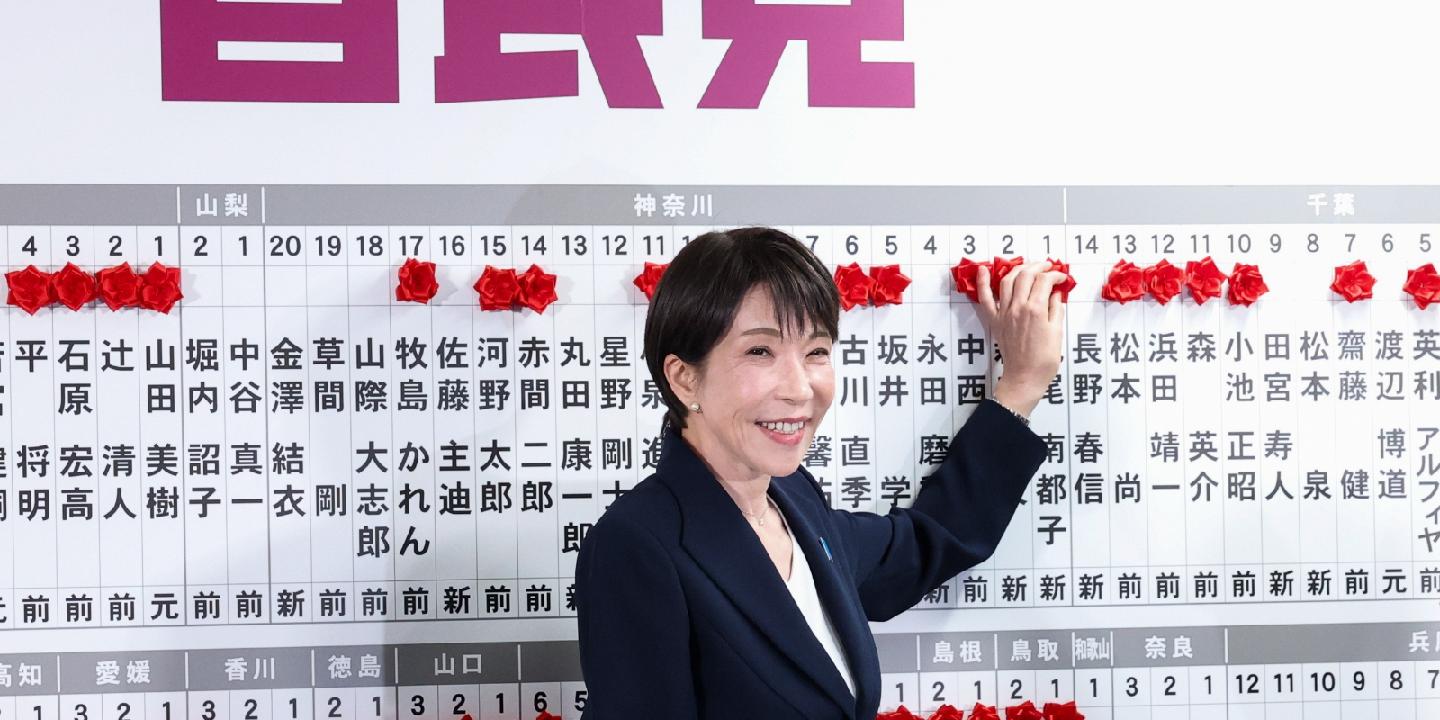
Group 1 - The core viewpoint of the article highlights the significant electoral victory of the Liberal Democratic Party (LDP) led by Prime Minister Sanae Takaichi, securing 316 seats in the House of Representatives, surpassing the previous count of 198 seats [2][3] - This election result marks the best performance for the LDP since its establishment in 1955, indicating a return to a dominant one-party system in Japanese politics [3] - Takaichi's leadership faces two main challenges: political and economic, with three underlying impulses related to constitutional amendments, nuclear policy, and Taiwan Strait issues [4][6] Group 2 - The political challenge stems from the previous lack of a majority in the House of Representatives, which Takaichi overcame by dissolving the House and calling for a new election [4][5] - Economically, Japan is struggling with low GDP growth and high government debt exceeding 250% of GDP, leading to rising public dissatisfaction due to increasing core consumer prices and declining real wages [6] - Takaichi's economic strategy, termed "Takaichi Economics," involves aggressive fiscal policies, including continued borrowing and low interest rates, which may stimulate growth but also pose risks of financial disaster [6] Group 3 - One of Takaichi's hidden impulses is the desire to amend the constitution, specifically to abolish Article 9, which renounces war and military forces, reflecting a growing public support for constitutional changes [7][8] - The second impulse concerns nuclear policy, with Takaichi's administration facing pressure to reconsider Japan's "Three Non-Nuclear Principles," amid rising calls from right-wing factions for Japan to develop nuclear capabilities [10] - The third impulse relates to the Taiwan Strait, where Takaichi has indicated a willingness for Japan to intervene militarily if China takes aggressive actions towards Taiwan, despite backlash from China [11][12]