阳光经济

Search documents
浙江宁波:农村屋顶光伏项目并网 村民共享“阳光经济”
Xin Hua Wang· 2025-08-14 02:25
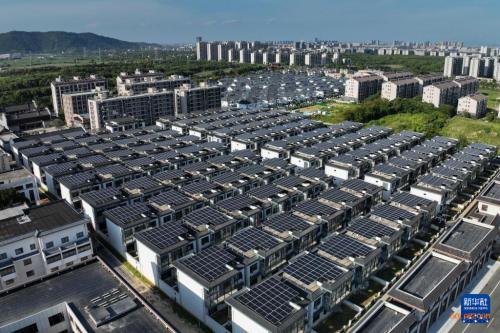
Core Insights - The rooftop distributed photovoltaic power generation project in Tengtou Future Community, Fenghua District, Ningbo City, officially commenced operation on August 12, with a total installed capacity of 1,959 kilowatts and an expected annual power generation of approximately 1.93 million kilowatt-hours [1] Group 1 - The project is currently the largest rooftop photovoltaic project in rural Ningbo in terms of single-unit capacity [1] - The project adopts a "self-consumption, surplus electricity online" grid connection method [1] - The village collective bears the costs of rooftop photovoltaic installation and operational expenses, while villagers only need to provide rooftop resources [1] Group 2 - The village collective plans to provide each household with a monthly free electricity allowance of 100 kilowatt-hours for the first ten years [1] - After ten years, the monthly free electricity allowance for each household will increase to 300 kilowatt-hours [1] - This initiative allows villagers to share in the green dividends of the "sunshine economy" [1]
浙江宁波: 农村屋顶光伏项目并网 村民共享"阳光经济"
Xin Hua Wang· 2025-08-13 01:58
Group 1 - The rooftop distributed photovoltaic power generation project in Tengtou Future Community, Fenghua District, Ningbo City, has officially been put into operation, with a total installed capacity of 1959 kW and an expected annual power generation of approximately 1.93 million kWh [1] - This project adopts a "self-consumption and surplus electricity online" grid-connected mode, making it the largest rooftop photovoltaic project in rural Ningbo in terms of single capacity [1] Group 2 - The village collective bears the cost of installing and operating the rooftop photovoltaic system, while villagers only need to provide rooftop resources [3] - For the first ten years, the village collective plans to provide each household with a monthly free electricity allowance of 100 kWh, which will increase to 300 kWh per month after ten years, allowing villagers to share in the benefits of the "sunshine economy" [3]