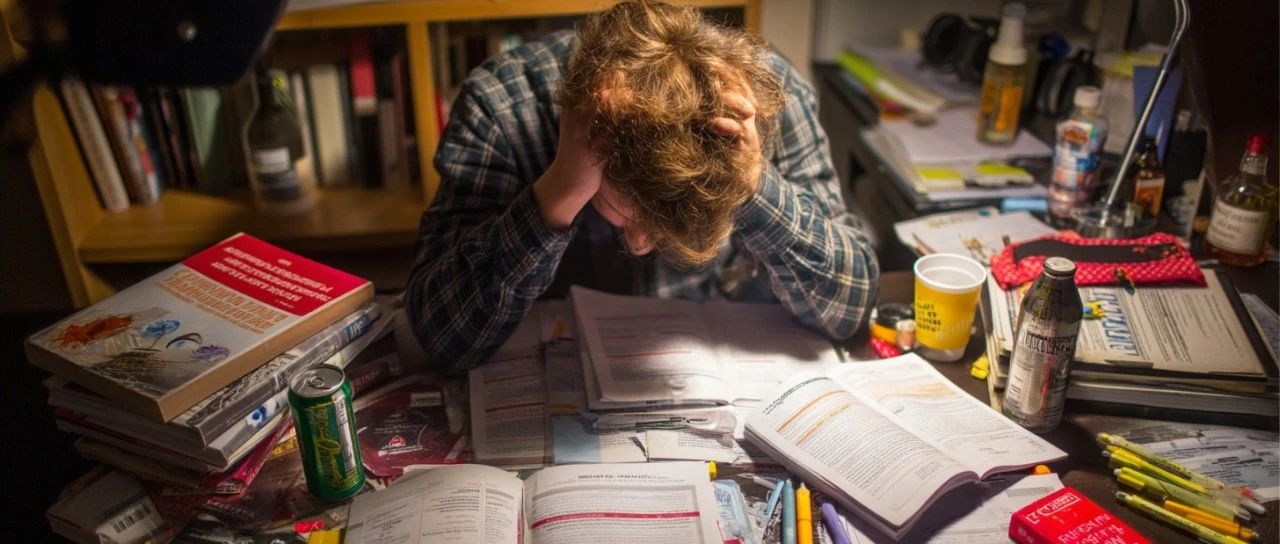
雅思主办方破产危机

Search documents
中国最贵的英语考试,开始闹破产了
首席商业评论· 2025-06-08 03:56
Core Insights - The IELTS examination, while a significant financial burden for many students, is facing severe financial difficulties, particularly for the British Council, one of its main organizers, which may face bankruptcy within a decade if no government intervention occurs [4][25]. Pricing and Financial Dynamics - The IELTS exam fees have consistently increased over the years, with a total of eight price hikes from 2011 to 2020, reaching 2,170 RMB in 2020, making it one of the most expensive exams globally [7][10]. - The British Council's revenue from teaching and examinations peaked at £727 million in the 2016-2019 fiscal years but plummeted to £448 million in 2021 due to the pandemic, with a recovery to £704 million in 2024 [20][25]. - The British Council's reliance on IELTS for revenue has increased, with teaching and examination income accounting for 71.2% of total revenue in 2024, the highest in a decade [20]. Market Position and Competition - The British Council and IDP Education jointly operate the IELTS, with the British Council dominating the Chinese market, which has been the largest for IELTS for 13 consecutive years [17][5]. - IDP Education has seen significant growth in its IELTS business, with revenues rising from AUD 326 million to AUD 511 million, although it faced a decline in 2024 [33]. Operational Challenges - The British Council has faced continuous financial losses from 2022 to 2024, with a net loss of £66 million in 2024 and negative free reserves of £4.3 million [26]. - Efforts to mitigate financial strain included layoffs and selling off parts of its business, such as the Indian IELTS operations to IDP Education [30][33]. Future Outlook - The British Council's financial struggles may lead to increased examination fees for students as the organization seeks to cover its operational costs [34][35].

中国最贵的英语考试,开始闹破产了
36氪· 2025-05-29 23:57
Core Viewpoint - The IELTS examination, despite its high fees and the financial struggles of its organizing body, the British Council, remains a lucrative business, particularly in China, where it faces increasing scrutiny and competition [6][22][30]. Group 1: Financial Struggles of the British Council - The British Council is reportedly facing severe financial difficulties, with its CEO warning that it could "disappear" within a decade if government intervention does not occur [6][30]. - The Council's revenue from teaching and examinations peaked at £720 million in the 2016-2019 fiscal years but plummeted to £448 million in 2021 due to the pandemic, with a recent recovery bringing it back to £704 million in 2024 [25][32]. - The British Council has been increasingly reliant on IELTS examination fees to sustain its operations, with teaching and examination income accounting for 71.2% of total revenue in 2024, the highest in a decade [25][32]. Group 2: IELTS Examination Fees and Market Position - The IELTS examination fees have consistently increased, with the cost rising from 1,680 yuan in 2013 to 2,170 yuan in 2020, making it one of the most expensive language tests globally [13][14][18]. - China has the second-highest IELTS fees globally, only behind Hong Kong, and faces a unique market where candidates endure high costs and stringent scoring systems [18][20]. - The IELTS examination is characterized by a high volume of test-takers, with 400 million tests conducted globally, 23% of which come from China and the U.S., indicating China's significant role in the IELTS market [23][24]. Group 3: Competitive Landscape and Future Outlook - The British Council has lost its competitive edge in India, selling its IELTS operations to IDP Education, which has seen significant revenue growth from this market [28][36]. - IDP Education is planning to enter the Chinese market directly, which could further threaten the British Council's dominance in the IELTS space [36][37]. - The financial pressures on the British Council may lead to increased examination fees for candidates, as the organization struggles to maintain its operations amidst declining revenues [38][39].
中国最贵的英语考试,开始闹破产了
创业邦· 2025-05-15 09:27
Core Viewpoint - The British Council, one of the main organizers of the IELTS exam, is facing severe financial difficulties and may face bankruptcy within a decade if government intervention does not occur [3][19]. Group 1: Financial Situation of the British Council - The British Council's financial health has deteriorated significantly since the COVID-19 pandemic, with revenues dropping from £727 million in the 2016-2019 fiscal years to £448 million in 2021, a nearly 40% decline [15][19]. - By the 2024 fiscal year, the British Council reported a net loss of £66 million, with its available reserves falling into negative territory at -£4.3 million [20]. - The organization has become increasingly reliant on IELTS exam fees to sustain its operations, with teaching and exam income accounting for 71.2% of total revenue in 2024, the highest in a decade [16]. Group 2: IELTS Exam Market Dynamics - The IELTS exam is a significant global business, with approximately 4 million tests conducted annually, 23% of which are from China and the US [11]. - The British Council and IDP Education jointly operate the IELTS, with the British Council dominating the Chinese market [12]. - The IELTS exam fees have consistently increased over the years, with the registration fee in mainland China reaching ¥2,170, making it one of the highest globally [10][6]. Group 3: Competitive Landscape and Future Outlook - IDP Education has announced plans to enter the Chinese market directly, which could lead to a significant shift in market share, with predictions suggesting IDP could capture 40% of the market by 2028 [28]. - The British Council has attempted to mitigate its financial issues by selling its IELTS business in India to IDP Education, which has seen a significant increase in revenue from this segment [25]. - The ongoing financial strain on the British Council raises concerns about potential increases in exam fees for candidates as the organization seeks to cover its costs [28].