集资诈骗罪

Search documents
Web3 开发者不可不知的四类刑事高危项目模式
Xin Lang Cai Jing· 2026-02-21 16:12
Core Viewpoint - The article emphasizes the importance of compliance in Web3 projects, highlighting that merely registering overseas or deploying servers abroad does not guarantee compliance. The focus should be on the project's business model, funding structure, and operational substance, especially for teams serving Chinese users [2][4]. Group 1: High-Risk Project Identification - Developers should construct a "high-risk project identification radar" to recognize four common criminal risk patterns in Web3 projects: gambling-related crimes, pyramid scheme activities, illegal fundraising, and illegal business operations [4][5]. - The highest risk crime identified is "operating a gambling house," particularly prevalent in GameFi and blockchain gaming projects, where developers can be held liable even if they are not direct operators [5][6][9]. - The most concealed crime is "organizing and leading pyramid schemes," which often disguise themselves as promotional incentives. Developers must be cautious of reward structures that resemble pyramid schemes [11][12]. - The most explicit crime is related to illegal fundraising, where projects that issue tokens without regulatory approval can be prosecuted under laws against illegal fundraising [14][15][18]. - The current hottest crime is "illegal business operations," particularly in the context of virtual currency platforms facilitating illegal currency exchanges, which have seen increased regulatory scrutiny [22][24]. Group 2: Risk Identification Framework - Developers can identify potential legal risks by recognizing key signals in project structures, such as the presence of gambling mechanics, pyramid-like reward systems, illegal fundraising practices, and illegal business operations [28][30][32][34][37]. - Specific characteristics of gambling-related projects include recharge mechanisms, random gameplay, and withdrawal paths that can be interpreted as gambling loops [30][31]. - Pyramid scheme projects often involve user fees, referral rewards, and multi-level commission structures, which can lead to legal repercussions for developers involved in their design [32][33]. - Illegal fundraising projects typically promise returns to the public without financial regulatory approval, making them susceptible to legal action [34][36]. - Illegal business operations are characterized by facilitating currency exchanges without proper licensing, which poses significant legal risks for developers involved in such systems [37][40]. Group 3: Legal Awareness for Developers - Developers must possess a basic understanding of legal risks associated with Web3 projects, as their involvement in system architecture and key functionalities can expose them to criminal liability [41][42]. - Key factors that may indicate a developer's awareness of potential legal risks include their role in the project, involvement in critical modules, and any concerns raised about the project's legality [43][44]. - Developers should conduct self-assessments before engaging in Web3 projects, focusing on identifying high-risk structures, questioning the project's logic, and documenting their role to mitigate potential legal repercussions [45][46].

北京一律所主任失联?探访:大门关闭,律师称未停业
Xin Lang Cai Jing· 2026-01-10 12:18
Core Viewpoint - The article discusses the disappearance of Wang Zhi, the director of Beijing Qunyi Law Firm, who allegedly engaged in illegal fundraising activities through high-interest loans and family legal service contracts, leading to significant financial losses for investors [1][9]. Group 1: Company Operations - Wang Zhi utilized a "litigation preservation" business model to attract funds from the public, promising monthly returns and using lottery incentives to encourage further investments [1][4]. - The law firm was structured with a marketing department that solicited funds from investors while lawyers handled legal cases, indicating a separation of roles within the firm [2][4]. - The firm claimed to have engaged in 43 litigation preservation cases in the first half of 2023, involving over 800 million yuan in assets and cash guarantees exceeding 170 million yuan [5][6]. Group 2: Financial Details - Initial interest rates for investments were around 12% in 2013, increasing to 16%-20% by 2017, but dropped to 11% by March 2025 [4][5]. - Investors reported a total of over 900 million yuan in outstanding loans, with many victims being elderly individuals who were misled by the firm's operations [9][10]. - The law firm had a significant number of clients, with estimates suggesting that there were between 600 to 700 investors involved, many of whom were unaware of the risks [8][9]. Group 3: Legal Implications - Legal experts suggest that Wang Zhi's actions may constitute illegal public fundraising or investment fraud, depending on whether he intended to misappropriate the funds [13]. - If convicted of illegal fundraising, Wang Zhi could face over 10 years in prison, while charges of investment fraud could lead to sentences ranging from 7 years to life imprisonment [13].

有投资者被套数百万元,永坤黄金怎么了?
Zhong Guo Xin Wen Wang· 2025-06-07 02:13
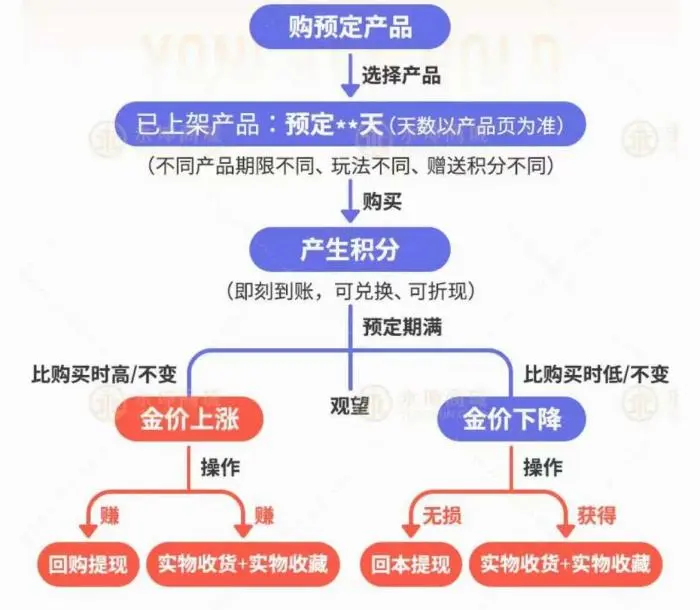
Core Viewpoint - The article discusses the severe issues faced by investors in Yongkun Gold, highlighting the inability to redeem investments and the company's misleading promises regarding gold investment safety and returns [1][12]. Group 1: Company Operations - Yongkun Gold (Zhejiang Yongkun Holdings Co., Ltd.) has been accused of failing to fulfill its gold custody business, leading to significant financial losses for investors, some amounting to millions [1][12]. - The company previously claimed that investors could redeem gold at a profit when prices rose or receive a full refund when prices fell, which has proven to be misleading [2][12]. - Yongkun Gold has been operating since 2014 and claims to be a comprehensive service provider in the gold industry, with a presence in multiple provinces and over 50 retail outlets [12]. Group 2: Investor Experiences - Many investors, including those who have invested for over a decade, are now unable to redeem their gold, with reported amounts reaching up to 700 million yuan [4][6]. - Investors were drawn to Yongkun's offerings due to the perceived safety provided by insurance policies from companies like Taiping Property Insurance, which promised to cover their investments [8][11]. - However, the insurance policies do not cover losses due to the company's operational failures, leading to further investor concerns [8][11]. Group 3: Legal and Regulatory Issues - Local law enforcement has initiated criminal proceedings against Yongkun Gold, but there are concerns about the ability of online investors to recover their losses due to the lack of formal contracts [13]. - Legal experts suggest that Yongkun's business practices may constitute illegal public fundraising, and the investigation will determine if fraud charges are applicable [13].