需求折叠式创新

Search documents
共享充电宝的生意,做到电动自行车上,有人称“一天赚几十元”
Mei Ri Jing Ji Xin Wen· 2026-01-25 13:59
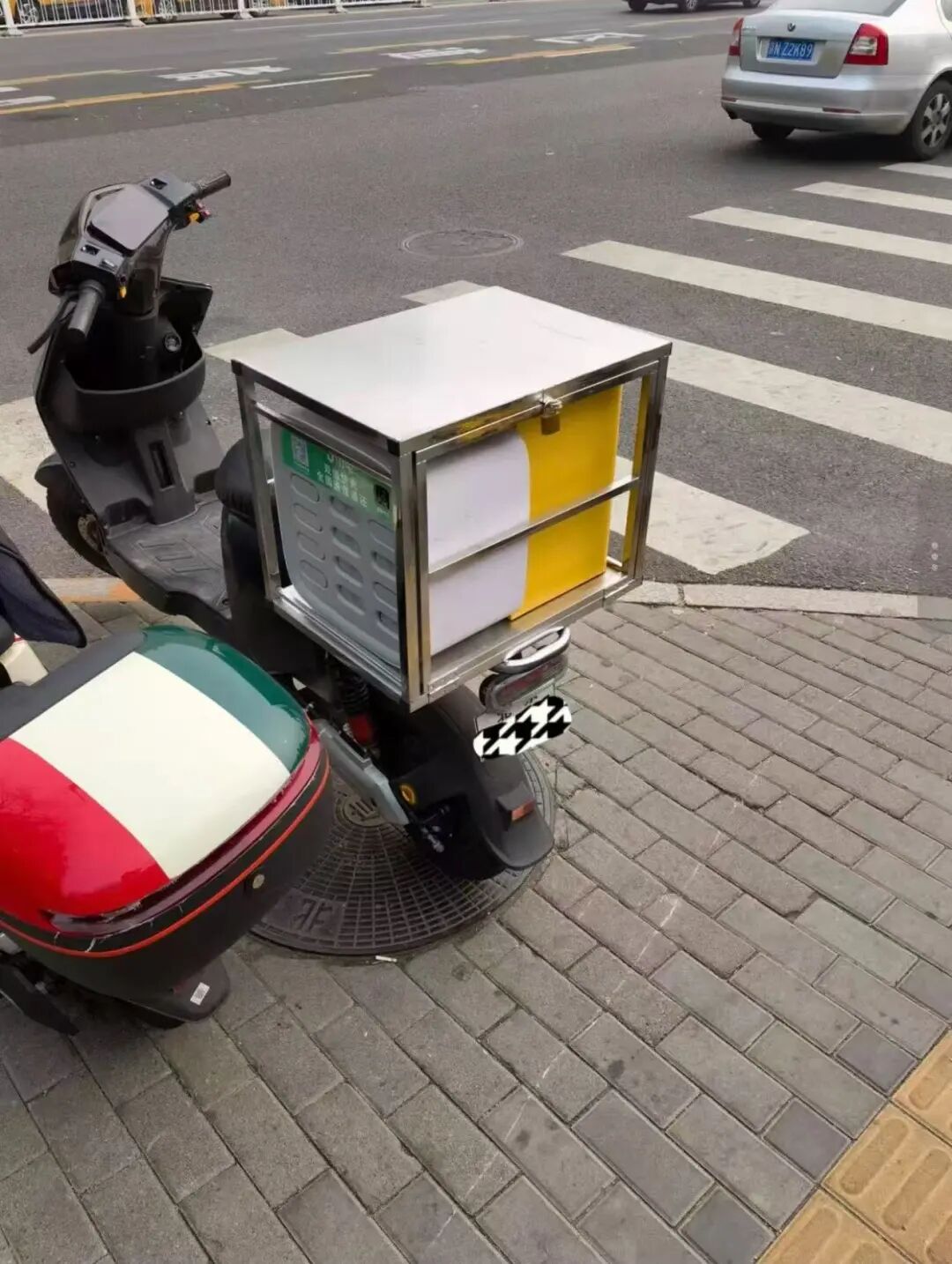
Core Viewpoint - The emergence of electric bicycles equipped with shared power banks in various cities, particularly in Guangdong, is noted as a new business model that raises safety concerns and regulatory issues [1][3][5]. Group 1: Market Observation - Multiple electric bicycles with shared power bank devices have been observed in Shenzhen, operating without fixed docking stations and adapting to pedestrian traffic [1]. - This model is particularly popular in Guangdong, with similar electric bicycles appearing in Shantou and other cities [3]. - Other regions, including Shanghai, Zhejiang, and Jiangsu, have also seen businesses adopting similar operations, especially in high foot-traffic areas [5]. Group 2: Safety Concerns - The power supply for these shared power banks comes from either independent batteries or the electric bicycle's battery, with exposed wiring posing safety risks, especially in wet conditions [7]. - Citizens have expressed concerns about the safety of these modifications, highlighting potential hazards such as electric shock [7]. Group 3: Business Model and Costs - The modification cost for these "charging treasure special vehicles" is relatively low, requiring only the addition of an inverter to convert low voltage to 220V [12]. - Some individuals report earning a modest income by parking these vehicles in strategic locations, such as near hospitals [12]. - However, regulatory frameworks in certain regions prohibit such modifications, indicating potential legal challenges for operators [12]. Group 4: Corporate Innovations - Despite individual operators facing regulatory risks, companies like Meituan are integrating shared power banks into their electric bicycle offerings, creating a "car + electricity" operational model [14]. - This integration is seen as an innovative approach to meet demand, transforming electric bicycles into mobile service terminals that can connect to various local services [16].

共享充电宝的生意,做到电动自行车上,有人称“一天赚几十元”!商家提供“爆改”服务,只要100元上下
Mei Ri Jing Ji Xin Wen· 2026-01-25 13:30
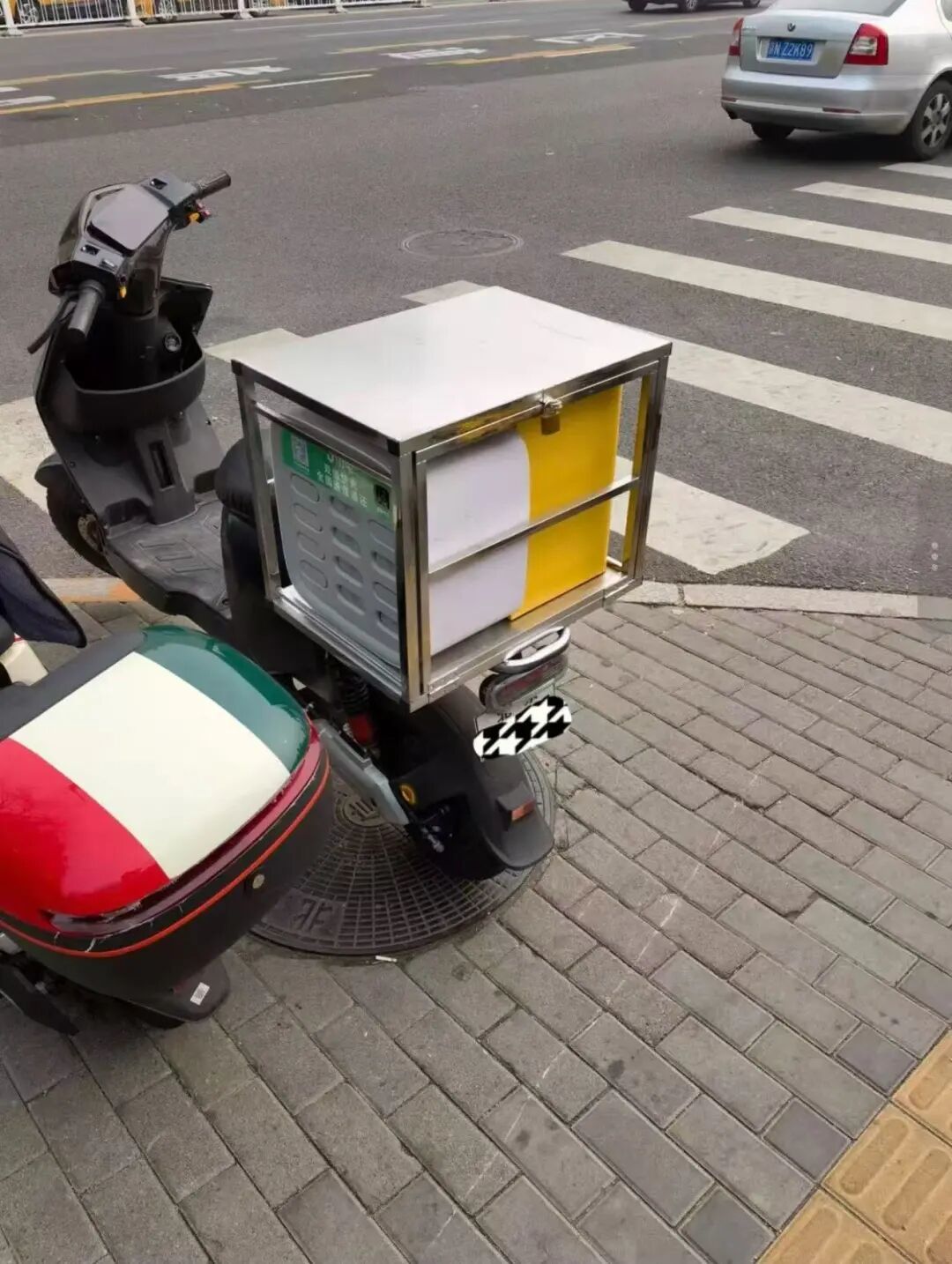
Core Viewpoint - The emergence of electric bicycles equipped with shared power bank devices in Shenzhen and other regions indicates a growing trend in innovative business models within the shared economy, despite safety concerns and regulatory challenges [1][4][15]. Group 1: Market Observation - Multiple electric bicycles with shared power bank devices have been spotted in Shenzhen, operating without fixed docking stations and adapting to foot traffic [1]. - This model is particularly popular in Guangdong, with similar setups reported in Shantou and other cities like Shanghai, Zhejiang, and Jiangsu [4][6]. Group 2: Safety Concerns - The power banks are powered either by independent batteries or connected to the electric bicycle's battery, raising safety concerns among citizens regarding potential electrical hazards, especially in wet conditions [8]. Group 3: Business Model and Costs - The modification cost for these electric bicycles is relatively low, requiring only the addition of an inverter to convert low voltage to 220V for the power bank [13]. - Some individuals report earning a modest income from operating these "charging treasure vehicles," with potential earnings of "dozens" of yuan per day [13]. Group 4: Regulatory Issues - Modifications to electric bicycles for this purpose may violate local regulations, such as the Jiangsu Province Electric Bicycle Management Regulations, which prohibit unauthorized alterations to electric motors and batteries [13]. - Local authorities in Shanghai have indicated that operating these charging stations on the street constitutes unauthorized street vending, subject to penalties [13]. Group 5: Corporate Innovations - Companies like Meituan are integrating shared power banks into their electric bicycle offerings, creating a "car + electricity" operational model that leverages their extensive bike resources and delivery networks [15]. - This approach is seen as a "demand folding" innovation, transforming electric bicycles into mobile service terminals that can connect to various local services [17].