
共享充电宝

Search documents
怪兽充电股价异动,共享充电宝行业迎政策利好
Jing Ji Guan Cha Wang· 2026-02-11 22:49
Group 1 - The core viewpoint of the news highlights the recent stock price movement of Monster Charging (EM.US) and the favorable policy developments in the shared charging industry, particularly the initiation of unified standards in the Guangdong-Hong Kong-Macao Greater Bay Area [1] Group 2 - In the recent stock performance, Monster Charging's stock price increased by 2.63% over the past week (February 5 to 11, 2026), reaching a high of $1.19, with a closing price of $1.17 on February 9, marking a 0.86% increase and a trading volume of 147,900 shares, which is significantly higher than previous periods [2] - The overall trading activity for Monster Charging has increased, with the stock price remaining stable at $1.17 on February 10 and 11, indicating heightened market interest [2] Group 3 - Institutional views on Monster Charging remain optimistic, with some rating agencies issuing a "strong buy" rating and setting a target price of $2.64, indicating significant upside potential compared to the current stock price [3]

黑猫投诉2025年度共享服务领域投诉数据报告:投诉量近6.6万件 乱扣费问题严重
Xin Lang Cai Jing· 2026-01-30 07:18
Core Insights - The report highlights a slight increase in complaints in the shared services sector, with a total of nearly 66,000 complaints in 2025, marking a 1.75% growth from 2024 [2][13] - Shared bicycles remain the most complained-about service, accounting for over 28,000 complaints, which is more than 40% of the total [2][13] - The report indicates a concentration of complaints among leading brands in the shared bicycle market, with three major brands dominating the sector [5][17] Complaint Trends - Seasonal fluctuations in complaints for shared bicycles and electric bicycles are noted, with peaks in spring and autumn due to increased usage [3][14] - The introduction of self-regulatory agreements for shared charging treasures in the second half of the year has contributed to a decline in complaints [15] Key Issues in Complaints - The primary issue for shared bicycles is the arbitrary deduction of dispatch fees, which constitutes 43.26% of complaints, often due to system errors [4][16] - For shared charging treasures, the most significant complaint (66.22%) involves users being charged after returning the device, indicating systemic issues in return processing [6][18] Brand Performance - The shared bicycle market is highly concentrated, with the top three brands (Hello Bike, Meituan Bike, and Qingju Bike) accounting for 97.66% of complaints, while other brands collectively represent only 2.34% [5][17] - In the shared charging treasure sector, 79 out of 100 brands received fewer than 100 complaints, highlighting the prevalence of small brands with inadequate customer service [7][19]
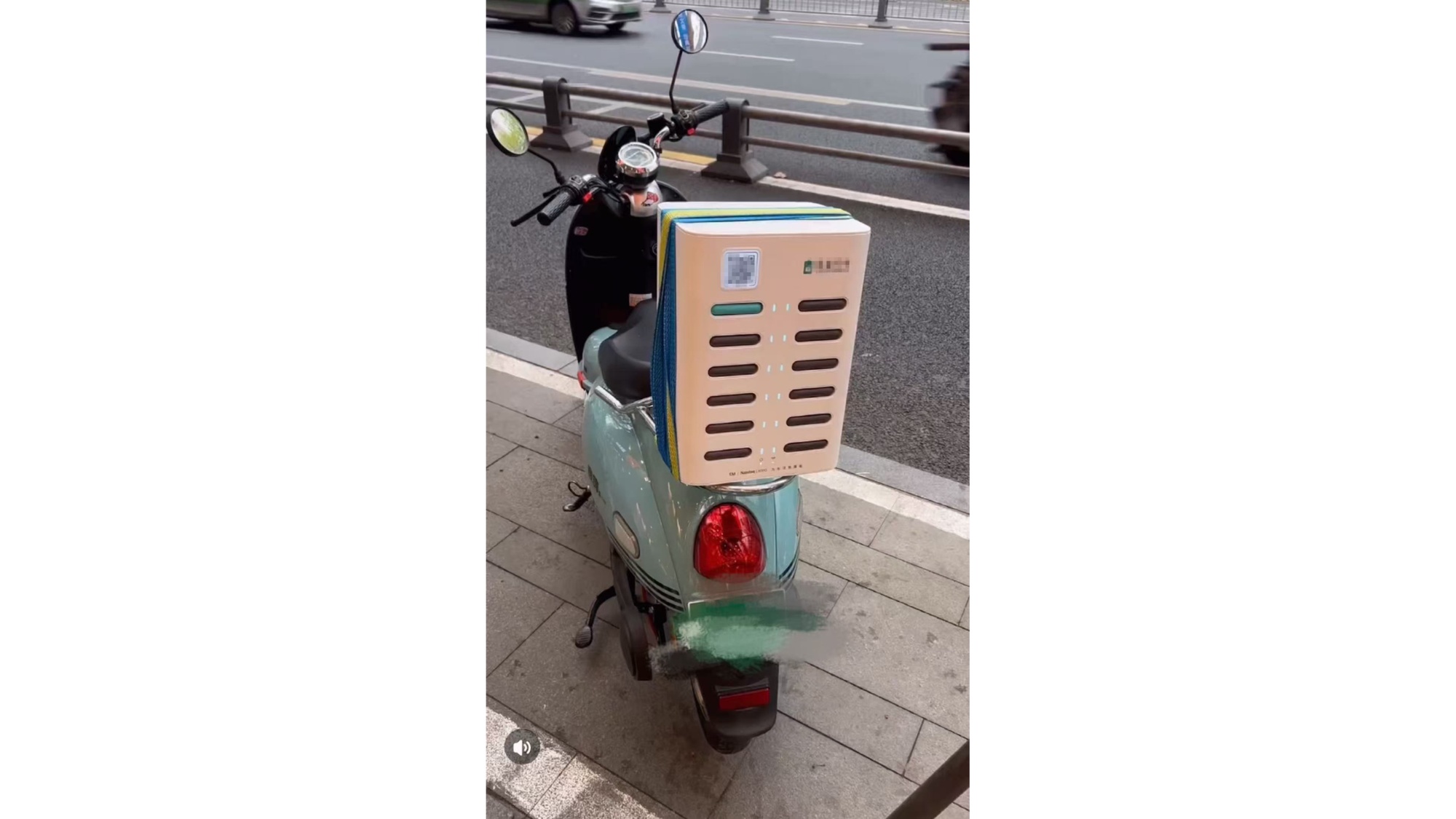
多地街头停靠移动共享充电宝“专车” 是商业模式创新还是违法经营?
Yang Guang Wang· 2026-01-28 04:25
Core Viewpoint - The emergence of electric bicycles equipped with shared power banks in urban areas raises questions about safety and regulatory compliance, highlighting a potential innovation in business models but also concerns about legality and safety risks [1][12]. Group 1: Market Trends - Shared power banks have become essential in daily life, commonly found in fixed locations like supermarkets and cinemas, but now also on electric bicycles that can operate without fixed docking stations [1][3]. - The modification of electric bicycles to serve as mobile shared power banks has been observed in cities like Shanghai, Nanjing, and Shenzhen, particularly in high foot-traffic areas [6][12]. Group 2: Safety Concerns - There are significant safety concerns regarding the modification of electric bicycles, including the risk of fire due to exposed wiring and the potential for accidents if the bicycles are involved in collisions [4][5][6]. - Experts have noted that the risks associated with these modified bicycles are greater than those of standard electric bicycles, as they do not meet safety standards for modifications [6][12]. Group 3: Regulatory Challenges - The regulatory framework for these modified electric bicycles is currently ambiguous, with responsibilities for oversight split between market regulation and traffic management authorities [12][13]. - Local authorities have previously taken action against these "charging carriages" for occupying public space and posing safety hazards, indicating a need for clearer regulations [11][12]. Group 4: Industry Perspectives - Industry experts suggest that while the integration of shared power banks with electric bicycles presents innovative opportunities, it must be approached with caution to ensure safety and compliance with existing regulations [13]. - There is a call for the development of supportive regulations that can facilitate the growth of this new business model while maintaining safety standards [13].

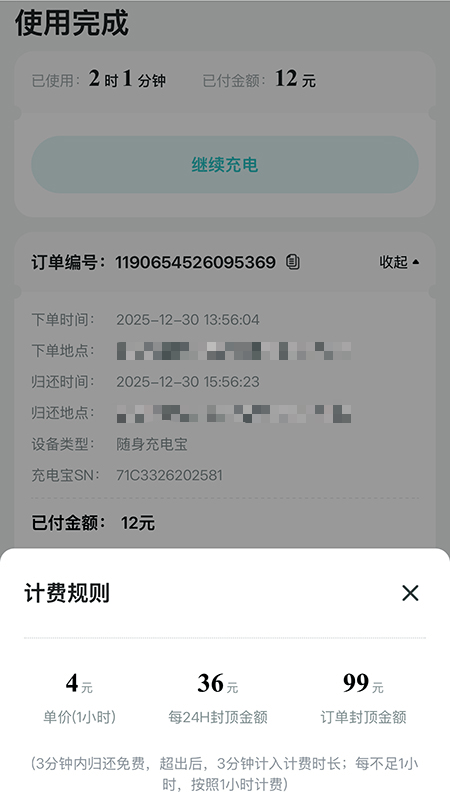
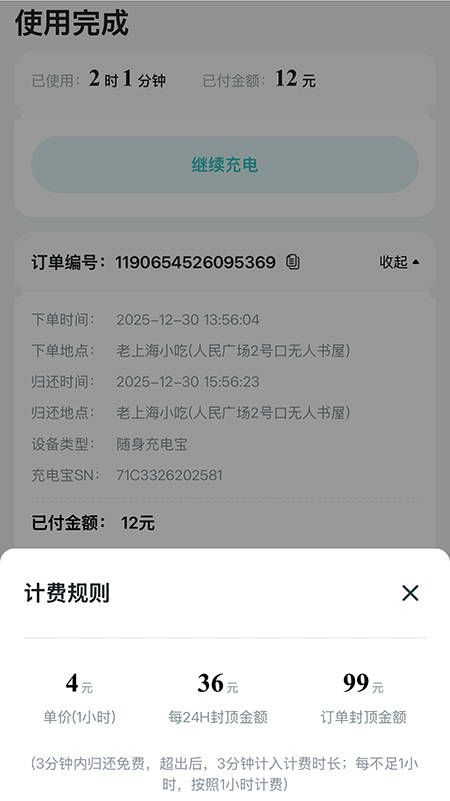
4元/小时,2小时1分钟12元?
Sou Hu Cai Jing· 2026-01-26 11:06
Core Viewpoint - The shared charging treasure industry is facing significant consumer complaints due to issues such as inconsistent billing practices, difficulties in returning devices, and safety concerns regarding products lacking 3C certification [1][9][10]. Group 1: Billing Issues - Different stores of the same brand exhibit varying billing rules, leading to confusion among consumers [4][7]. - A case in Shanghai showed that charging for 2 hours and 1 minute resulted in a total fee of 12 yuan, with the extra minute charged as a full hour [5]. - Consumers are often charged for additional time in a manner that is perceived as unfair, with many expressing frustration over the need to time their returns precisely to avoid extra charges [7][9]. Group 2: Return Difficulties - Reports indicate that consumers frequently encounter problems when attempting to return devices, with some being charged exorbitant fees after unsuccessful returns [9][10]. - A consumer reported being charged 99 yuan after returning a device, highlighting the lack of effective return mechanisms [9]. - The issue of "return difficulty" has been a consistent complaint, with consumers opting to rent from locations that minimize the risk of additional charges [9][10]. Group 3: Safety and Certification Concerns - Many shared charging devices in circulation lack the necessary 3C certification, raising safety concerns among users [10][15]. - Despite regulations set to enforce 3C certification, some brands continue to operate devices that do not meet safety standards [10][15]. - The lack of compliance with safety regulations poses risks to consumers and complicates enforcement efforts [15]. Group 4: Consumer Sentiment and Complaints - Consumer feedback on social media platforms indicates widespread dissatisfaction, with many users rating services poorly [12]. - Historical reports from consumer protection agencies have consistently highlighted issues such as high prices and inconsistent billing practices [13][14]. - The shared charging treasure industry has seen a rise in complaints, particularly regarding billing anomalies and return difficulties [14]. Group 5: Recommendations for Improvement - Experts suggest that companies should enhance technology, improve device durability, and optimize operational efficiency to foster healthy industry growth [16]. - Calls for standardized billing practices and improved regulatory oversight have been made to address the prevalent issues [16]. - Establishing a "shared point whitelist" and a complaint mechanism could help alleviate return difficulties and enhance consumer protection [16][17].
人民直击丨共享充电宝为何成“钱包刺客”
Sou Hu Cai Jing· 2026-01-26 06:56
Core Viewpoint - The rapid growth of shared power banks has led to various consumer issues, including confusing billing practices, difficulties in returning devices, and safety concerns due to the circulation of non-3C certified products, resulting in ongoing consumer disputes [1][5][9]. Group 1: Billing Issues - Shared power banks commonly employ a tiered pricing model, where consumers are charged for a minimum time period, leading to complaints about overcharging for just a few extra minutes [2][3]. - Inconsistent billing practices across different locations for the same brand have been observed, with charges varying significantly based on the rental terms [2][3]. - Consumers have reported feeling compelled to time their usage precisely to avoid unnecessary charges, indicating a lack of user-friendly billing practices [3][9]. Group 2: Return Difficulties - Issues with returning power banks are prevalent, with reports of continued billing even after devices have been returned, leading to significant charges [5][9]. - Consumers have expressed frustration over the inability to return devices due to full return cabinets or lack of nearby return points, prompting some to only rent from specific locations to avoid extra fees [5][9]. Group 3: Safety and Certification Concerns - Many shared power banks in circulation lack the necessary 3C certification, raising safety concerns among consumers [5][6]. - Despite regulations set to enforce 3C certification, some brands continue to operate with non-compliant devices, complicating enforcement efforts [6][10]. Group 4: Consumer Sentiment and Complaints - Consumer feedback on platforms like Xiaohongshu indicates widespread dissatisfaction with shared power banks, with low average ratings reflecting poor user experiences [8]. - Historical reports from consumer protection agencies have highlighted ongoing issues with shared power banks, including high prices and inconsistent service quality [9][10]. Group 5: Recommendations for Improvement - Experts suggest that companies should enhance technology, improve device durability, and optimize operational efficiency to foster healthy industry growth [11]. - Calls for standardized billing practices and improved regulatory oversight have been made to address the prevalent issues in the shared power bank market [11][12]. - The establishment of self-regulatory agreements in cities like Shenzhen and Beijing aims to improve service standards and consumer trust in the industry [12].
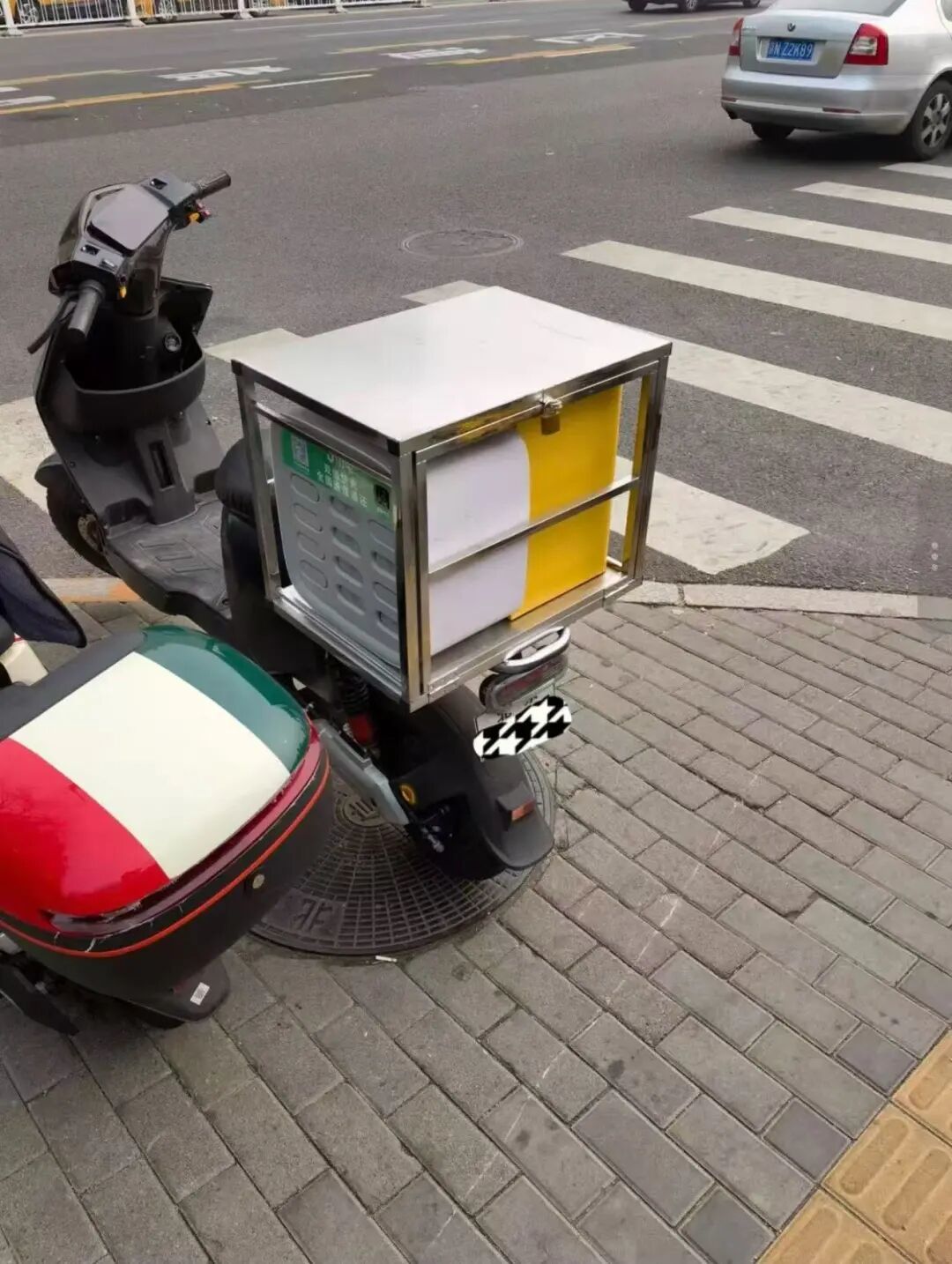
共享充电宝的生意,做到电动自行车上,有人称“一天赚几十元”
Mei Ri Jing Ji Xin Wen· 2026-01-25 13:59
Core Viewpoint - The emergence of electric bicycles equipped with shared power banks in various cities, particularly in Guangdong, is noted as a new business model that raises safety concerns and regulatory issues [1][3][5]. Group 1: Market Observation - Multiple electric bicycles with shared power bank devices have been observed in Shenzhen, operating without fixed docking stations and adapting to pedestrian traffic [1]. - This model is particularly popular in Guangdong, with similar electric bicycles appearing in Shantou and other cities [3]. - Other regions, including Shanghai, Zhejiang, and Jiangsu, have also seen businesses adopting similar operations, especially in high foot-traffic areas [5]. Group 2: Safety Concerns - The power supply for these shared power banks comes from either independent batteries or the electric bicycle's battery, with exposed wiring posing safety risks, especially in wet conditions [7]. - Citizens have expressed concerns about the safety of these modifications, highlighting potential hazards such as electric shock [7]. Group 3: Business Model and Costs - The modification cost for these "charging treasure special vehicles" is relatively low, requiring only the addition of an inverter to convert low voltage to 220V [12]. - Some individuals report earning a modest income by parking these vehicles in strategic locations, such as near hospitals [12]. - However, regulatory frameworks in certain regions prohibit such modifications, indicating potential legal challenges for operators [12]. Group 4: Corporate Innovations - Despite individual operators facing regulatory risks, companies like Meituan are integrating shared power banks into their electric bicycle offerings, creating a "car + electricity" operational model [14]. - This integration is seen as an innovative approach to meet demand, transforming electric bicycles into mobile service terminals that can connect to various local services [16].
共享充电宝门店分成涨至30%,共享充电宝批量出现在电动车上
Xin Lang Cai Jing· 2026-01-25 09:00
Core Insights - The revenue share for shared charging stations has increased from approximately 20% to 30% for merchants, impacting the profit margins of agents in the industry [1] - The outdoor mobile operation model is gaining popularity, allowing for flexible deployment in high-traffic areas without the need for revenue sharing with merchants [1] Group 1: Market Trends - Shared charging stations are increasingly appearing on electric bicycles in Shenzhen, with similar operations starting in other cities like Shanghai [1] - The outdoor mobile operation model requires only a modified electric bike and charging cabinet, making it easier to operate in various locations such as music festivals and subway entrances [1] Group 2: Pricing and Procurement - The procurement price for shared charging stations decreases with larger orders: 1,230 yuan for 30 units, 1,120 yuan for 60 units, and 1,050 yuan for 100 units [1] - Each unit typically accommodates 8 charging batteries, indicating a scalable business model for operators [1]
上海一共享充电宝加盟商为泄愤喷黑竞对机柜被抓
Bei Ke Cai Jing· 2026-01-19 03:06
Group 1 - A series of shared charging station cabinets were vandalized, painted black, rendering them unusable and causing economic losses for the shops involved [2] - The police reported that the vandalism was targeted at a specific brand of shared charging stations, indicating a deliberate act by the perpetrator [2] - The suspect, identified as Jiang, was previously a franchisee of the affected charging brand and resorted to vandalism as a form of retaliation after losing income due to shops switching to other brands [2][3] Group 2 - Jiang has been taken into custody by the police for the crime of intentional property damage, and the investigation is ongoing [3]
消费前如何避开大坑?这几个热门行业的避雷指南请收好
Xin Lang Cai Jing· 2026-01-06 10:47
Core Insights - The article emphasizes the importance of conducting thorough research before making consumer decisions to avoid potential pitfalls and losses, particularly in high-frequency consumption sectors [1][7] - It suggests utilizing third-party complaint platforms to check the historical records and user reviews of companies or brands to enhance consumer safety [1][7] Group 1: High-Complaint Areas - Instant delivery and takeaway services face significant complaints, including severe delays, food spillage, and foreign objects in food, indicating the need for consumers to check complaint records before choosing unfamiliar brands [4][10] - E-commerce and live-streaming sales often present discrepancies between advertised and actual products, with issues like false advertising and poor product quality being prevalent; consumers are advised to verify the reputation of sellers before purchasing [4][10] - Shared services and prepaid consumption models carry risks such as business failure or unilateral changes in service terms; consumers should assess the stability and reputation of these businesses through complaint platforms [4][10] Group 2: Multi-Channel Information Utilization - Official regulatory information can be accessed through the National Enterprise Credit Information Publicity System to verify company legitimacy and integrity [11][13] - Social media and content platforms like Weibo and Xiaohongshu provide real user experiences and discussions, serving as supplementary references for consumers [11][13] - Industry-specific communities and forums offer valuable insights from experienced users, making them a reliable source for understanding long-term product performance and issues [11][13] Group 3: Key Channels for Consumer Rights Protection - The 12315 platform serves as the primary official complaint channel, allowing consumers to report issues directly to market supervision authorities, particularly for illegal business practices [12][13] - Different industries have corresponding regulatory bodies for complaints, such as the National Financial Regulatory Administration for financial disputes and the Ministry of Industry and Information Technology for telecommunications issues [12][13] - Third-party public complaint mediation platforms, like the Black Cat Complaint platform, facilitate communication between consumers and businesses, providing a neutral space for issue resolution [9][12]
“别告诉银行投资的事儿!”民警赶到:这就是诈骗!
Xin Lang Cai Jing· 2025-12-19 11:15
Group 1 - A bank teller at Postal Savings Bank identified a woman making a large transfer and contacted local police due to her vague responses about the recipient [1] - The woman, Ms. Wang, was lured into a group chat with over a hundred people, attracted by "successful cases" and "high returns" [1] - She was preparing to invest in a so-called "shared charging treasure" project, with an initial investment of 120,000 yuan, but insisted on investing only 60,000 yuan [3] Group 2 - The police determined it was a scam when the woman was advised not to disclose investment details to the bank [3] - After being blacklisted by the "acquaintance," Ms. Wang was persuaded by the police to abandon the transfer, thus saving her hard-earned 60,000 yuan [4] - The police issued a warning that "easy money" schemes often target individuals' principal investments [6]
