青少年体育教育

Search documents
【人民日报】短道速滑名将杨扬:坚持梦想,总会充满能量
Ren Min Ri Bao· 2025-12-26 00:31
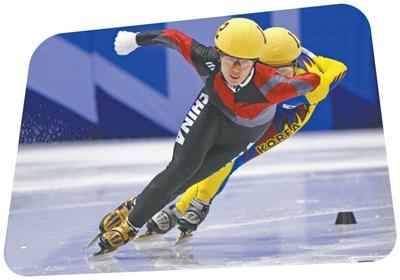
Core Insights - The article highlights the significant impact of the Winter Olympics on the development and popularization of ice and snow sports in China, as emphasized by General Secretary Xi Jinping [1] Group 1: Athlete's Journey and Achievements - Yang Yang, the first Chinese athlete to win a gold medal at the Winter Olympics, has a remarkable career with 59 world championships [1] - The training environment during the early days of the national short track speed skating team was challenging but fostered a positive atmosphere among athletes [2] - Yang Yang faced setbacks during the 1998 Nagano Winter Olympics but used the experience to gain deeper insights into the sport [2][3] - The victory at the 2002 Salt Lake City Winter Olympics marked a historic moment for China, overcoming psychological barriers to achieve success [3] Group 2: Post-Retirement Contributions - After retiring in 2006, Yang Yang has been actively involved in international sports organizations, contributing to the development of her sport [4] - The establishment of the Champion Fund aims to assist retired athletes in transitioning to new careers, reflecting Yang Yang's commitment to helping others [6] - Yang Yang's role as the chair of the Athlete Committee for the Beijing Winter Olympics involved extensive cross-departmental collaboration to prioritize athlete needs [6] Group 3: Youth Sports Education - Yang Yang emphasizes the importance of sports education in youth development, advocating for increased participation in physical activities to build character and teamwork skills [6] Group 4: Future Aspirations - Yang Yang aims to continue her work in international sports organizations and promote ice and snow sports, focusing on making meaningful contributions [8]
“坚持梦想,总会充满能量” ——对话短道速滑名将杨扬
Xin Lang Cai Jing· 2025-12-25 23:32
Core Viewpoint - The development and hosting of the Winter Olympics in China have significantly improved both the competitive level and the popularity of ice and snow sports, as highlighted by Yang Yang, China's first Winter Olympic gold medalist [4]. Group 1: Athlete's Journey and Achievements - Yang Yang began practicing skating at the age of 9 and won China's first Winter Olympic gold medal in short track speed skating at the 2002 Salt Lake City Olympics, achieving a historic milestone for the country [4][5]. - Despite facing challenges, including a disappointing performance in the 1500m event, Yang Yang successfully overcame psychological barriers to win the 500m race, emphasizing the importance of focus and teamwork [5][6]. Group 2: Post-Retirement Contributions - After retiring in 2006, Yang Yang has been actively involved in international sports organizations, contributing to the development of her sport and advocating for athletes' rights [6]. - She established a champion fund to assist retired athletes in their transition to new careers and has initiated professional ice rinks to promote ice sports among youth [7]. Group 3: Youth Sports Education - Yang Yang stresses the critical role of sports education in youth development, advocating for increased participation in sports to build physical health and character [9]. - She encourages more campus sports events to foster a strong sports culture and teamwork among children [9]. Group 4: Future Aspirations - Yang Yang aims to continue her work in international sports organizations, focusing on promoting ice and snow sports while maintaining a commitment to meaningful contributions [10].

青少年宫力求成为体教融合“新枢纽”
Zhong Guo Qing Nian Bao· 2025-08-26 02:00
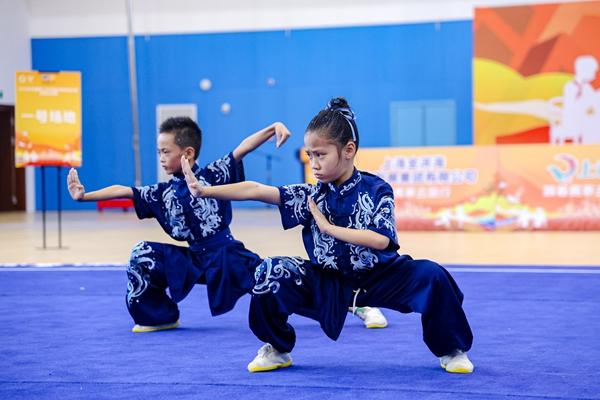
Core Insights - A traditional sports wave is emerging among youth in Shanghai, highlighted by the "Run, Youth" 2025 National Youth Traditional Sports Competition, which saw participation from 2,554 young athletes across martial arts, chess, and jump rope [1][2] - The event reflects a growing emphasis on traditional sports education, supported by the Chinese Youth Palace Association, which aims to promote Chinese traditional sports culture [1][2] Group 1: Event and Participation - The competition has expanded from nearly 100 youth palaces in 2022 to 380 in 2023, with 249,500 youth participating through a combination of online and offline formats [2] - The event is now part of the National Sports General Administration's "Run, Youth" series and has been included in the Ministry of Education's "white list" of events, enhancing its credibility and reach [2] Group 2: Role of Youth Palaces - Youth palaces serve as non-profit organizations that provide affordable sports training, with fees approximately half of market rates, and some even offering free programs [3][4] - They play a crucial role in connecting schools, families, and social sports resources, acting as a bridge for youth sports education [2][4] Group 3: Challenges and Innovations - Youth palaces face challenges due to urban expansion and the need for convenience, prompting a shift from traditional models to innovative solutions like on-campus services and mobile youth palaces [5][6] - New opportunities are emerging with the introduction of modern sports like squash and drone racing, indicating a diversification in youth sports education [6][7] Group 4: Community and Professional Involvement - There is a call for retired athletes to engage with youth palaces, providing professional support and enhancing the quality of sports education [7] - The collaboration between youth palaces and retired athletes aims to foster a holistic development approach for children through sports [7]