
运动员退役转型

Search documents
放下包袱直播带货,张家齐不必为她的转型而不安
Nan Fang Du Shi Bao· 2026-01-12 23:27
Core Viewpoint - The article discusses the challenges and societal perceptions faced by retired athletes, particularly focusing on Zhang Jiaqi's transition to live-streaming sales after retirement, highlighting the mixed reactions from the public regarding her career choices [1][2][3] Group 1: Athlete Transition and Public Perception - Retired athletes, such as Zhang Jiaqi, often face criticism for their career choices post-retirement, with public sentiment reflecting a struggle between traditional expectations and modern realities [1][2] - The backlash against Zhang Jiaqi's live-streaming sales is less severe compared to previous cases, such as Wu Liufang's transition to a more provocative online persona, indicating a shift in societal norms but still rooted in traditional views [1][2] - The criticism stems from two main perspectives: one being the outdated belief that retired athletes should adhere to certain standards due to their past identities, and the other being a subjective disapproval of live-streaming as a profession [2] Group 2: Changing Landscape for Athletes - There is a notable trend where more retired athletes are choosing career paths that diverge from their sports backgrounds, reflecting a shift in athlete development models towards market-driven approaches [3] - This evolution in athlete roles suggests that the societal constraints and expectations surrounding them are changing, leading to a lighter "idol burden" compared to previous generations [3] - The article emphasizes the need for society to adopt a more rational and tolerant perspective towards retired athletes as they navigate new challenges in their post-sport careers [3]
“坚持梦想,总会充满能量”(对话体坛名将)
Ren Min Ri Bao· 2025-12-26 03:13
Core Viewpoint - The article highlights the evolution of ice sports in China, emphasizing the achievements and contributions of Yang Yang, the first Chinese athlete to win a gold medal at the Winter Olympics, and her ongoing efforts in promoting ice sports and supporting retired athletes [4][5]. Group 1: Achievements in Ice Sports - Yang Yang won China's first Winter Olympic gold medal in short track speed skating at the 2002 Salt Lake City Olympics, marking a significant milestone for the country [7]. - The development of short track speed skating in China saw significant progress in the 1990s, with multiple championships, although the team faced challenges during the 1998 Nagano Olympics [6][7]. Group 2: Post-Retirement Contributions - After retiring in 2006, Yang Yang became involved in international sports organizations, advocating for her sport and contributing to the growth of ice sports in China [8]. - She established a champion fund to assist retired athletes in transitioning to new careers and initiated professional ice rinks to promote youth engagement in ice sports [9]. Group 3: Role in Beijing Winter Olympics - Yang Yang served as the chair of the Athletes' Committee for the Beijing Winter Olympics, focusing on athlete-centered initiatives and cross-departmental collaboration [9][10]. Group 4: Importance of Youth Sports Education - The article emphasizes the critical role of sports education in youth development, advocating for increased participation in sports to foster physical health and life skills [10]. Group 5: Advice for Athletes Transitioning to Post-Sport Careers - Yang Yang advises athletes to embrace lifelong learning and pursue their passions, highlighting the importance of career planning and adaptability for a successful transition after sports [11].

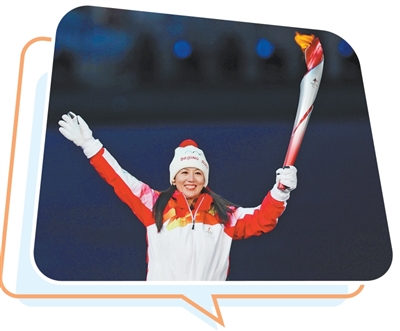
【人民日报】短道速滑名将杨扬:坚持梦想,总会充满能量
Ren Min Ri Bao· 2025-12-26 00:31
Core Insights - The article highlights the significant impact of the Winter Olympics on the development and popularization of ice and snow sports in China, as emphasized by General Secretary Xi Jinping [1] Group 1: Athlete's Journey and Achievements - Yang Yang, the first Chinese athlete to win a gold medal at the Winter Olympics, has a remarkable career with 59 world championships [1] - The training environment during the early days of the national short track speed skating team was challenging but fostered a positive atmosphere among athletes [2] - Yang Yang faced setbacks during the 1998 Nagano Winter Olympics but used the experience to gain deeper insights into the sport [2][3] - The victory at the 2002 Salt Lake City Winter Olympics marked a historic moment for China, overcoming psychological barriers to achieve success [3] Group 2: Post-Retirement Contributions - After retiring in 2006, Yang Yang has been actively involved in international sports organizations, contributing to the development of her sport [4] - The establishment of the Champion Fund aims to assist retired athletes in transitioning to new careers, reflecting Yang Yang's commitment to helping others [6] - Yang Yang's role as the chair of the Athlete Committee for the Beijing Winter Olympics involved extensive cross-departmental collaboration to prioritize athlete needs [6] Group 3: Youth Sports Education - Yang Yang emphasizes the importance of sports education in youth development, advocating for increased participation in physical activities to build character and teamwork skills [6] Group 4: Future Aspirations - Yang Yang aims to continue her work in international sports organizations and promote ice and snow sports, focusing on making meaningful contributions [8]
“坚持梦想,总会充满能量” ——对话短道速滑名将杨扬
Xin Lang Cai Jing· 2025-12-25 23:32
Core Viewpoint - The development and hosting of the Winter Olympics in China have significantly improved both the competitive level and the popularity of ice and snow sports, as highlighted by Yang Yang, China's first Winter Olympic gold medalist [4]. Group 1: Athlete's Journey and Achievements - Yang Yang began practicing skating at the age of 9 and won China's first Winter Olympic gold medal in short track speed skating at the 2002 Salt Lake City Olympics, achieving a historic milestone for the country [4][5]. - Despite facing challenges, including a disappointing performance in the 1500m event, Yang Yang successfully overcame psychological barriers to win the 500m race, emphasizing the importance of focus and teamwork [5][6]. Group 2: Post-Retirement Contributions - After retiring in 2006, Yang Yang has been actively involved in international sports organizations, contributing to the development of her sport and advocating for athletes' rights [6]. - She established a champion fund to assist retired athletes in their transition to new careers and has initiated professional ice rinks to promote ice sports among youth [7]. Group 3: Youth Sports Education - Yang Yang stresses the critical role of sports education in youth development, advocating for increased participation in sports to build physical health and character [9]. - She encourages more campus sports events to foster a strong sports culture and teamwork among children [9]. Group 4: Future Aspirations - Yang Yang aims to continue her work in international sports organizations, focusing on promoting ice and snow sports while maintaining a commitment to meaningful contributions [10].
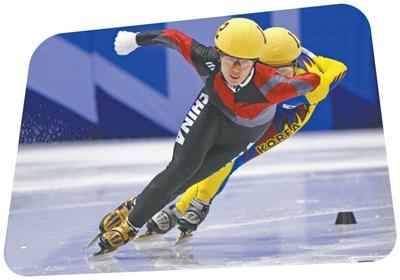
林清峰:成为奥运冠军之后|我们的四分之一世纪
经济观察报· 2025-12-23 10:44
Core Viewpoint - The article highlights the journey of Lin Qingfeng, a weightlifting champion, from his struggles and setbacks to achieving Olympic glory, and his subsequent transition to coaching, emphasizing the importance of athlete education and support for their post-retirement careers [3][4][20]. Group 1: Lin Qingfeng's Athletic Journey - Lin Qingfeng won the first gold medal for China in men's weightlifting at the London Olympics in 2012, lifting 187 kg, marking a significant achievement in his career [3][4]. - His path to success was fraught with challenges, including being rejected twice by the provincial team and contemplating a career change due to financial difficulties [11][16]. - After years of rigorous training and overcoming self-doubt, he finally proved himself by winning a bronze medal at the National Games in 2009, which paved the way for his Olympic success [12][14]. Group 2: Transition to Coaching - Following his retirement in 2017 due to injuries, Lin Qingfeng took on roles in coaching, first as the leader of the Xiamen weightlifting team and later as a coach for the Fujian Sports Bureau, eventually being selected for the national team [5][21]. - His coaching role involves managing various logistical aspects and nurturing young athletes, contrasting with the singular focus of his athlete life [22][23]. - Lin Qingfeng expressed a desire for better support systems for athletes transitioning to retirement, highlighting the uncertainties they face in their post-competitive careers [20][28]. Group 3: Advocacy for Athlete Education - The article emphasizes the need for improved educational resources for athletes, as many face challenges in finding employment after their sports careers due to a lack of academic qualifications [24][27]. - Lin Qingfeng advocates for a shift in perception regarding athletes and education, stressing that a solid educational foundation can provide better opportunities for those who do not achieve competitive success [25][29]. - He calls for clearer policies to support athletes, particularly in less popular sports like weightlifting, to ensure they have viable career paths after retirement [29][30].
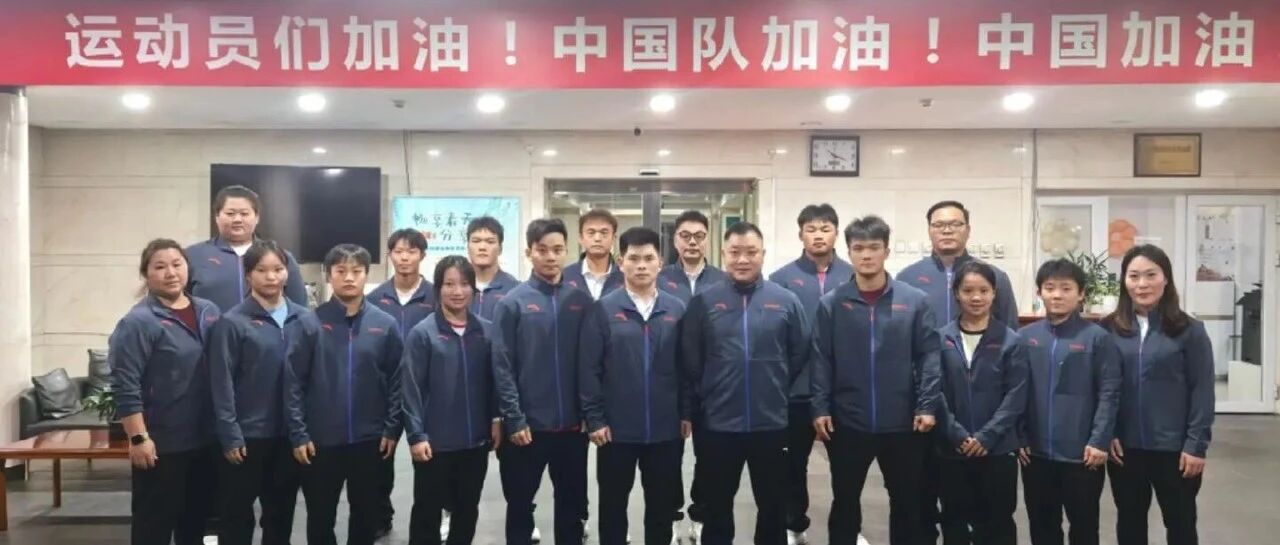
林清峰:成为奥运冠军之后|我们的四分之一世纪
Jing Ji Guan Cha Bao· 2025-12-23 05:23
Core Viewpoint - The article highlights the journey of Lin Qingfeng, a former weightlifter who transitioned from an Olympic champion to a coach, emphasizing the challenges athletes face after retirement and the importance of education and support for their future careers [1][2][12]. Group 1: Athletic Career - Lin Qingfeng won the first gold medal for China in men's weightlifting at the London Olympics in 2012, lifting 187 kg [1]. - He faced significant challenges early in his career, including being rejected twice by the provincial team before eventually proving himself at the 2009 National Games [6][7]. - His journey included rigorous training and overcoming self-doubt, leading to a breakthrough in performance under a renowned coach [6][7]. Group 2: Transition to Coaching - After retiring in 2017 due to injuries, Lin Qingfeng took three years to adapt to life outside of competitive sports before becoming a coach [2][12]. - He initially worked as the leader of the weightlifting team in Xiamen and later as a coach for the Fujian Provincial Sports Bureau, eventually being selected for the national weightlifting team [2][12]. - The coaching role requires managing various logistical details and supporting athletes, contrasting with the singular focus of being an athlete [13]. Group 3: Challenges Post-Retirement - Lin Qingfeng expressed the uncertainty and pressure athletes face after retirement, including the need for better support systems for transitioning athletes [2][12]. - He noted the disparity in opportunities for athletes from less popular sports compared to those from more mainstream sports, highlighting the need for clearer policies to support retired athletes [17]. - The article emphasizes the importance of education for athletes, as many face limited job prospects after their sports careers end [15][16]. Group 4: Advocacy for Athletes - Lin Qingfeng advocates for improved educational resources and support for young athletes to ensure they have viable career paths post-retirement [15][16]. - He believes that addressing these issues is crucial for attracting more youth to sports and retaining talented athletes within the system [17]. - His recent donation of his Olympic gold medal symbolizes a commitment to fostering the next generation of athletes and contributing to the broader sports community [18].