非二氧化碳温室气体管控

Search documents
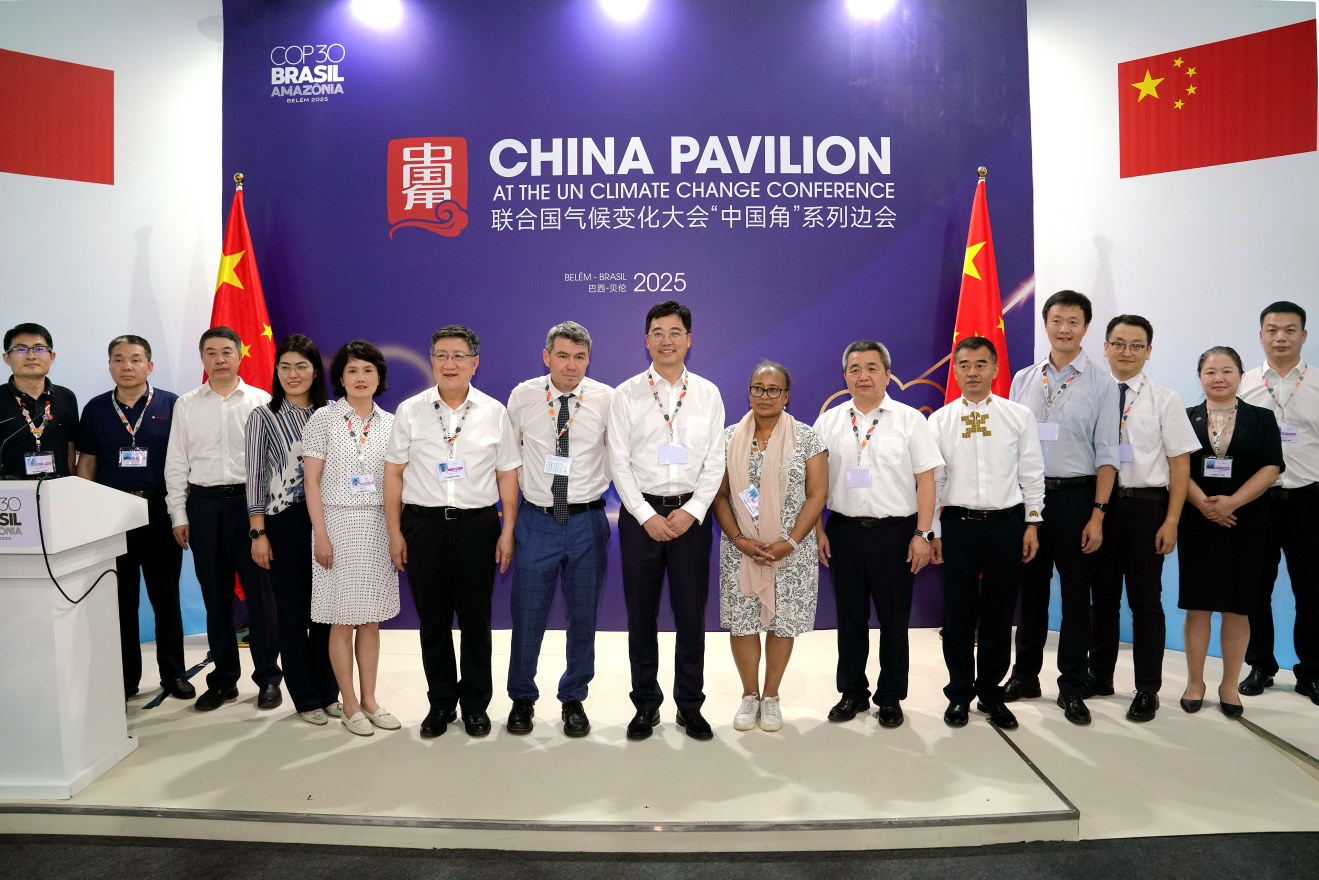
推动工业绿色低碳转型,多方联手管控非二氧化碳温室气体
Di Yi Cai Jing· 2025-11-26 02:46
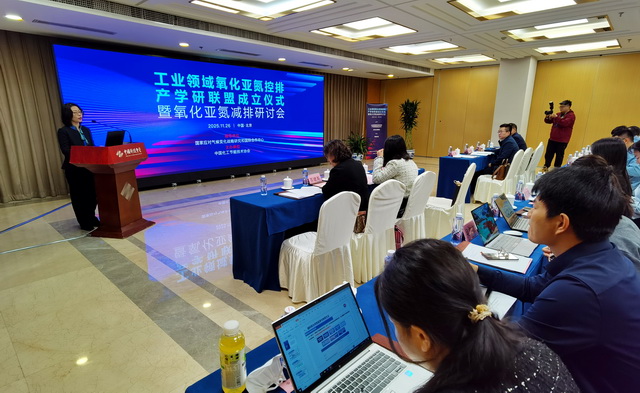
Core Viewpoint - Accelerating the reduction of non-CO2 greenhouse gas emissions is the fastest way to quickly lower global warming in the short term [1][3] Group 1: Policy and Action Plans - The Chinese government will strengthen the control of non-CO2 greenhouse gases such as methane, nitrous oxide, and sulfur hexafluoride, promoting industrial green and low-carbon transformation to achieve carbon neutrality goals [1] - The "Action Plan for Controlling Nitrous Oxide Emissions in the Industrial Sector" has been introduced, outlining control measures and setting clear targets for nitrous oxide emissions in the industrial sector [1][2] - The new Nationally Determined Contributions (NDC) target aims for a 7% to 10% reduction in net greenhouse gas emissions by 2035 compared to peak levels, including non-CO2 gases for the first time [1][3] Group 2: Formation of the Alliance - The "Industrial Nitrous Oxide Control Research and Application Alliance" has been established to promote interdisciplinary and cross-industry collaboration, resource integration, and the application of advanced emission control technologies [2] - The alliance aims to become a leading platform for research on nitrous oxide control, monitoring, and policy innovation in the industrial sector [2] - The establishment of the alliance is a concrete action to implement the "Action Plan" and is expected to encourage industries to shift from passive participation to proactive emission reduction [2] Group 3: Technical and Research Initiatives - The alliance will conduct research on key industries such as adipic acid, nitric acid, and caprolactam, and accelerate the development of monitoring standards for industrial nitrous oxide emissions [4] - There will be a focus on local emission factor measurement studies, collaborative research and development of control equipment and catalysts, and the use of market mechanisms to encourage emission reductions [4] - Strengthening international cooperation and exchanges will be a comprehensive effort to support the national control of nitrous oxide emissions in the industrial sector [4]

非二氧化碳温室气体如何协同治理?
Zhong Guo Huan Jing Bao· 2025-11-19 03:30
Group 1: Non-CO2 Greenhouse Gas Control Efforts - China is actively promoting the control of non-CO2 greenhouse gases, with methane and nitrous oxide being the second and third largest greenhouse gases globally, respectively [4] - The Ministry of Ecology and Environment has introduced a series of policies and actions, including the "Methane Emission Control Action Plan" and revised coalbed methane emission standards, to effectively manage emissions [4][5] - The country has established a national greenhouse gas emission factor database to support localized research on methane and sulfur hexafluoride emissions [5] Group 2: Technological Innovations and Achievements - The Soil Center of the Ministry of Ecology and Environment has developed drought-resistant rice cultivation techniques that achieve an average methane reduction rate of 97% and a comprehensive greenhouse effect reduction of 92% [1] - State Grid Corporation of China has developed a technology for the recovery and purification of sulfur hexafluoride, achieving a recovery rate of 97% [1] - Henan Shennong Carbon Reduction Technology Co., Ltd. has built a reduction device that achieves an annual reduction of 11.6 million tons of nitrous oxide equivalent, with a reduction rate of 98% [1] Group 3: Industry Collaboration and Future Directions - Various sectors, including government, enterprises, and research institutions, are collaborating to explore control practices for methane, nitrous oxide, and sulfur hexafluoride emissions [1][4] - The China Oil and Gas Methane Control Alliance aims to translate national policies into actionable corporate strategies, focusing on monitoring, reporting, and verification (MRV) systems [8] - Experts emphasize the need for further research on emission scenarios and cost-effectiveness analysis to support China's long-term low greenhouse gas emission development strategy [6]