非杓型高血压

Search documents
身体有这3种信号,可能是脑梗!千万别大意
Qi Lu Wan Bao· 2025-10-18 00:40
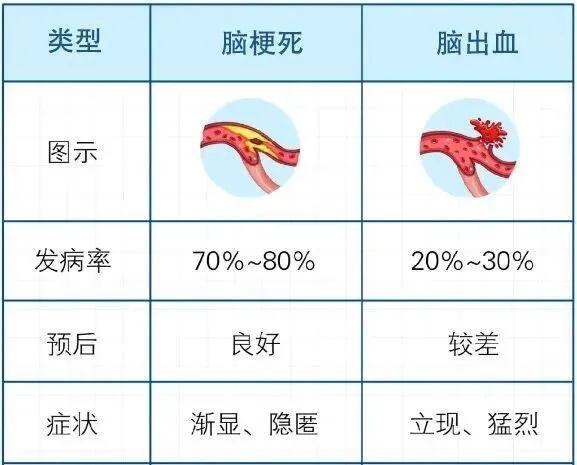
Core Insights - The article highlights the increasing incidence of cerebrovascular diseases, particularly strokes, during the autumn and winter seasons, emphasizing the urgency of timely medical intervention to prevent severe consequences [1][2]. Group 1: Cerebrovascular Disease Overview - Cerebrovascular diseases, including ischemic stroke and hemorrhagic stroke, are categorized under the term "stroke," with ischemic strokes accounting for 70% to 80% of cases and hemorrhagic strokes for 20% to 30% [2]. - The recurrence rate of strokes in autumn and winter is over 30% higher than in spring and summer, attributed to climatic factors such as lower temperatures leading to increased blood pressure and blood viscosity [2]. Group 2: Warning Signs of Stroke - Three critical warning signs indicate potential cerebrovascular blockage: transient vision loss, sudden motor function impairment, and temporary speech difficulties [3][4][6][8]. - These symptoms often precede a stroke and should prompt immediate medical attention [3]. Group 3: Risk Factors for Stroke - Common risk factors for stroke include poor diet, sedentary lifestyle, chronic dehydration, small vessel disease, and nighttime hypertension [10][11][12][14]. - A diet high in salt, sugar, and fat can significantly increase stroke risk, with studies indicating that reducing salt intake by 3 grams daily can lower stroke risk by 20% [10]. - Sedentary behavior, defined as sitting for more than 8 hours a day, raises stroke risk by 20% [11]. - Chronic dehydration can nearly double the risk of stroke, highlighting the importance of adequate fluid intake [12]. Group 4: Prevention Strategies - Experts recommend lifestyle modifications to prevent strokes, such as avoiding sudden physical exertion, managing emotional stress, and maintaining proper hydration [16][17]. - Regular health check-ups for individuals over 30 are advised to monitor blood pressure, blood sugar, and blood lipid levels [13].