非法穿越

Search documents
5人违规穿越,3人遇难!被追捧的“徒步圈顶流”,为何如此凶险?
Xin Lang Cai Jing· 2026-01-11 05:54
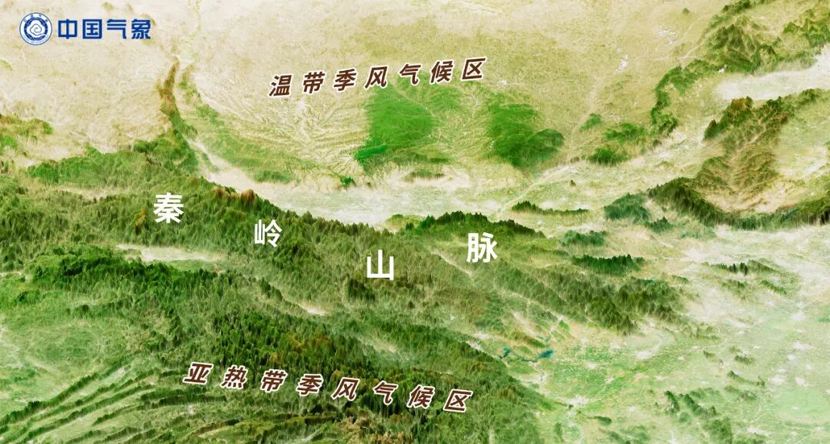
Core Viewpoint - The "Ao-Tai Line" is a popular trekking route that poses significant dangers due to extreme weather conditions and illegal crossings, leading to numerous fatalities over the years [1][9][12]. Group 1: Dangers of the Ao-Tai Line - The Ao-Tai Line connects two major peaks in the Qinling Mountains and is known for its beautiful scenery, which attracts many hikers despite the risks involved [1][2]. - The region experiences complex weather patterns due to the convergence of cold and warm air currents, leading to sudden and severe weather changes such as fog, thunderstorms, and blizzards [4][6]. - High-altitude conditions result in significant temperature drops, with nighttime temperatures in winter plummeting to -20 to -30 degrees Celsius, creating life-threatening situations for unprepared trekkers [8][10]. Group 2: Incidents and Regulations - From 2012 to 2017, there were over 50 reported fatalities due to illegal crossings of the Ao-Tai Line, highlighting the dangers of disregarding regulations [8][12]. - In 2018, an official announcement was made to prohibit all unauthorized access to the Ao-Tai Line, emphasizing the need for safety and adherence to rules [9]. - Recent incidents have shown that some groups attempt to evade monitoring by disabling their phones, complicating rescue efforts when emergencies arise [10][11]. Group 3: Public Perception and Environmental Impact - The Ao-Tai Line is often referred to as a "graduation line" among outdoor enthusiasts, symbolizing a rite of passage, which may encourage reckless behavior [12][15]. - Illegal trekkers often leave behind non-biodegradable waste, causing irreversible damage to the local ecosystem, and the resources spent on rescue operations represent a significant waste of public resources [15][16]. - The rise in outdoor activities has led to increased interest in trekking, but it is crucial for individuals to respect nature and follow regulations to ensure their safety and the preservation of the environment [16][17].

青海玉树可可西里公安查获21名非法穿越者
Zhong Guo Xin Wen Wang· 2025-11-23 03:06
Core Points - The police in the Hoh Xil Nature Reserve have conducted a special patrol operation, detaining 21 illegal entrants and seizing 9 vehicles, effectively deterring environmental crimes [1][5][6] Group 1: Patrol Operation Details - The operation was led by police officer Zhan Jianglong, with a team of 7 officers, who patrolled key illegal crossing areas between Qinghai, Xinjiang, and Tibet from October 30 to November 19 [2][3] - The patrol faced extreme conditions, including high altitude, severe cold, and complex terrain, demonstrating the commitment of the officers to ecological safety [2][3] Group 2: Ecological Protection Measures - The Hoh Xil Nature Reserve police have established a comprehensive protection system that includes patrol enforcement, regional collaboration, strict law enforcement, and legal education [5] - The focus of the patrol includes monitoring vegetation growth, wildlife populations, and disease outbreaks, while targeting illegal hunting, unauthorized entry, and illegal mining activities [5] Group 3: Historical Context - Since 2019, the police have recorded a total of 8 illegal crossing cases, involving 144 individuals and over 80 vehicles [6]

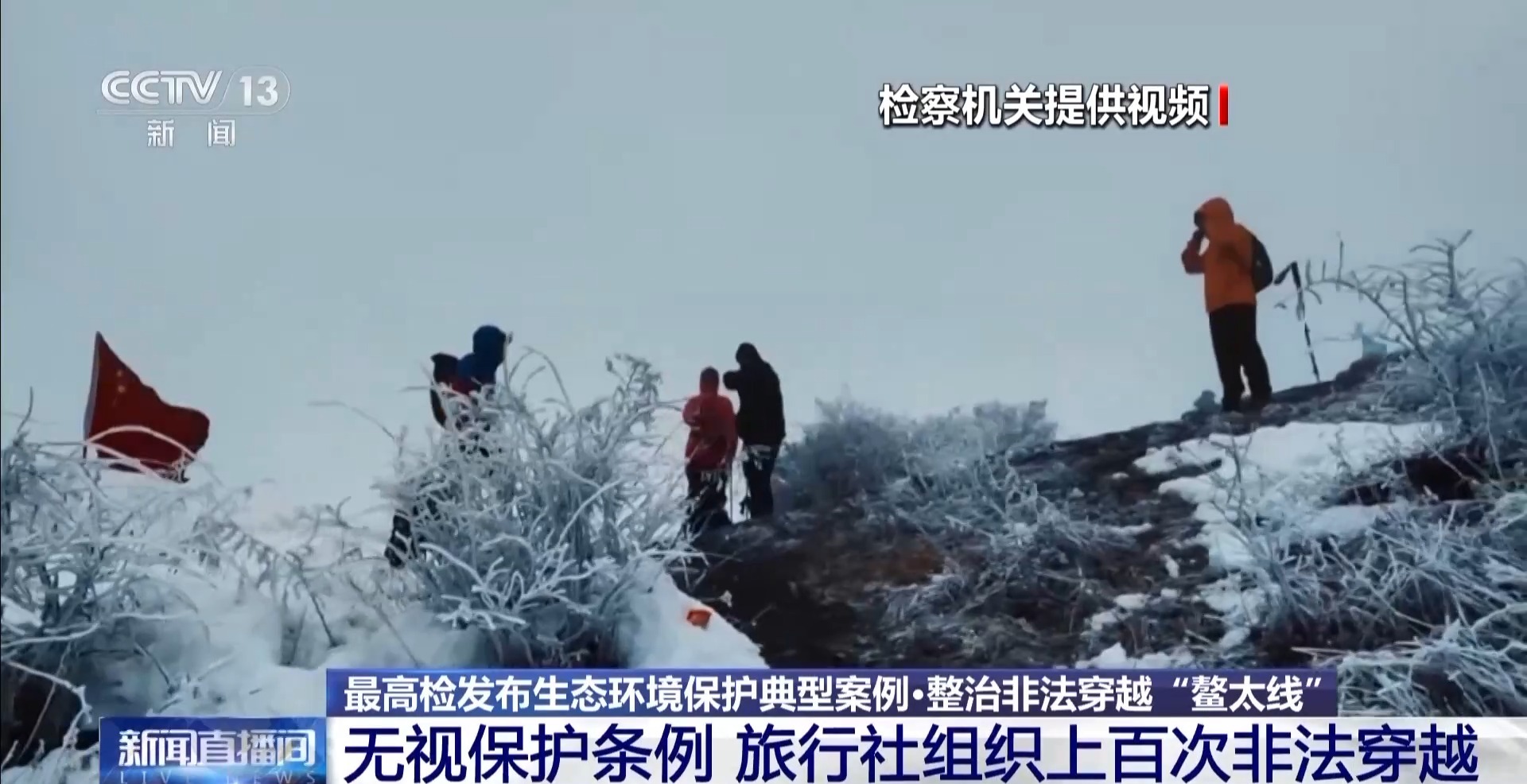
“种草”变“毁草”!非法穿越“鳌太线”屡禁不止 最高检出手了→
Yang Shi Xin Wen· 2025-06-06 07:05
Core Viewpoint - The article highlights the illegal activities of a travel agency organizing unauthorized crossings of the "Ao-Tai Line" in the Qinling Mountains, emphasizing the ecological damage and legal actions taken against such activities [1][3][12]. Group 1: Illegal Activities and Ecological Impact - The "Ao-Tai Line" connects Mount Ao and Mount Taibai, with an elevation above 3000 meters, and is known for its unique ecological environment, which is home to rare species like the giant panda and the crested ibis [1][3]. - The rise in outdoor adventure popularity, combined with social media's influence, has led some travel agencies to disregard environmental protection regulations, organizing illegal crossings that threaten the fragile ecosystem of the Qinling Mountains [3][5]. - A travel agency organized 155 illegal crossings in 2024, involving 3,808 participants and collecting a total of 670,632 yuan in registration fees, while causing damage to high-altitude vegetation and other ecological harm [7][9]. Group 2: Legal Actions and Court Rulings - The Supreme People's Procuratorate referred the illegal crossing case to the Shaanxi procuratorial authorities, leading to a civil public interest lawsuit against the travel agency for ecological restoration costs [5][14]. - The court ruled that the travel agency must pay 115,000 yuan for ecological restoration due to its illegal activities, which included advertising and providing services for unauthorized crossings [20][18]. - The case serves as a deterrent against illegal activities, with the agency required to undertake labor compensation measures such as road maintenance and waste collection in the Qinling forest area [22][12]. Group 3: Social Media Influence and Regulatory Challenges - Despite the ban on crossing the "Ao-Tai Line," social media continues to promote illegal activities, with numerous videos showcasing such adventures, often leading to dangerous situations for participants [23][25]. - High-traffic social media accounts often monetize their content through outdoor gear promotions, creating a business model that encourages illegal crossings [29][31]. - Local authorities have initiated joint actions to crack down on illegal crossings, with nine civil public interest lawsuits filed in 2024, seven of which have been adjudicated [33][35].