非遗传承与保护

Search documents
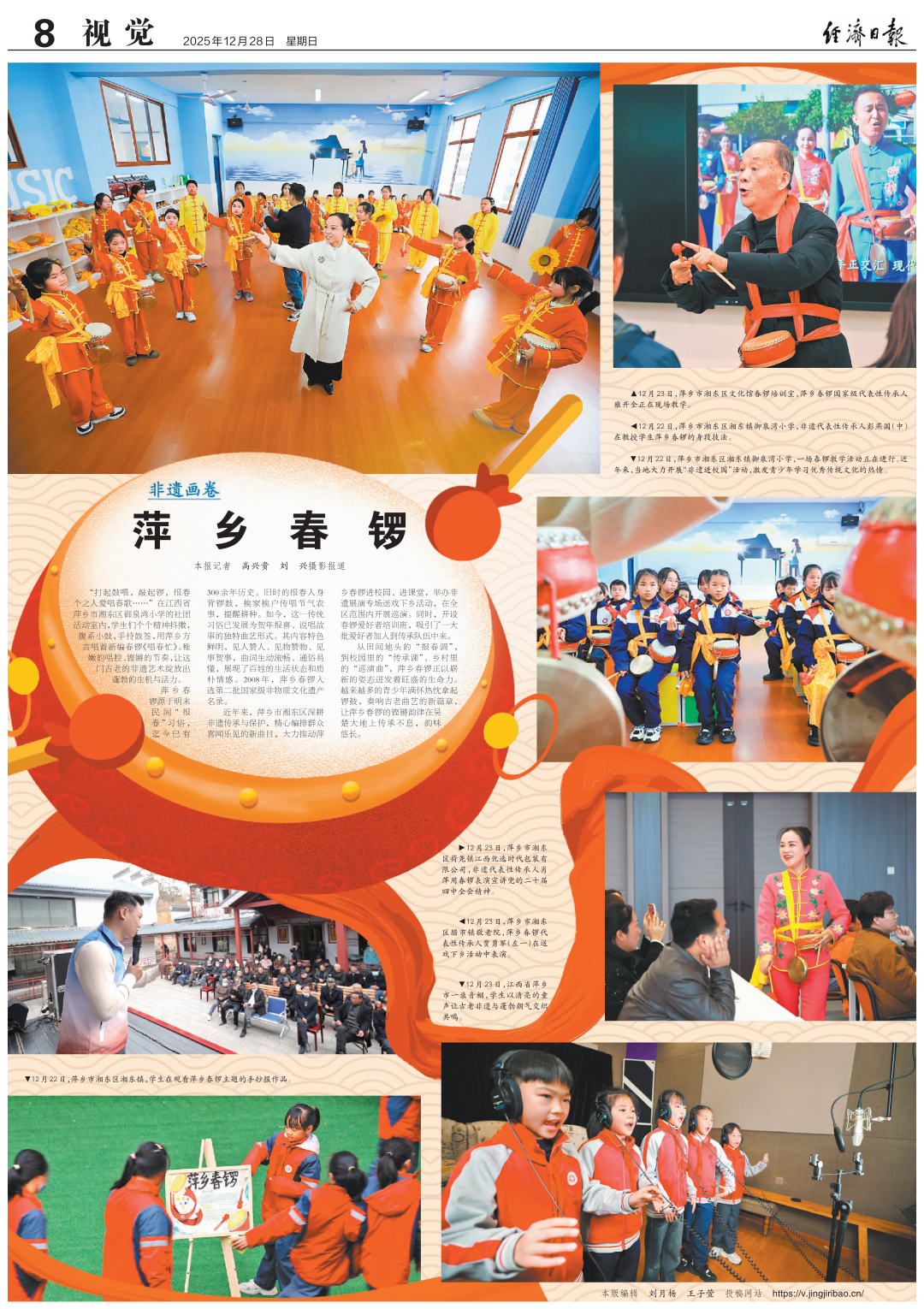
贵州安顺将军令文创馆开馆
Xin Lang Cai Jing· 2026-02-14 10:20
Core Viewpoint - The opening of the Anshun General Order Cultural and Creative Museum aims to enhance the integration of culture and tourism, promoting the transformation of cultural heritage into experiential and consumable products, thereby invigorating the local cultural tourism market [3]. Group 1: Cultural and Tourism Development - The initiative focuses on developing new cultural formats and deepening the integration of culture and tourism in Anshun, with the goal of creating a vibrant cultural tourism experience that is both meaningful and immersive for visitors [3]. - The museum will serve as a platform for the transmission and protection of intangible cultural heritage, showcasing local crafts such as Anshun opera, wax dyeing, silver jewelry, and embroidery [3]. - Anshun's government aims to transform the region's cultural resources into value-added experiences, promoting a shift from resource-oriented to value-creation strategies [3]. Group 2: Heritage and Experience - The Anshun General Order Cultural and Creative Museum is envisioned as a "city reception hall" for intangible cultural heritage, integrating transmission, display, experience, education, research, and consumption [3]. - The museum will connect with other cultural sites in Anshun, such as the ancient city and the Ruofei Former Residence, to enhance visitor engagement and extend their stay, ultimately increasing consumption levels [3]. - Anshun currently has 10 items listed as national intangible cultural heritage, 67 items at the provincial level, and 230 items at the municipal level, highlighting the region's rich cultural assets [4].

非遗画卷丨萍乡春锣
Xin Lang Cai Jing· 2025-12-28 03:55
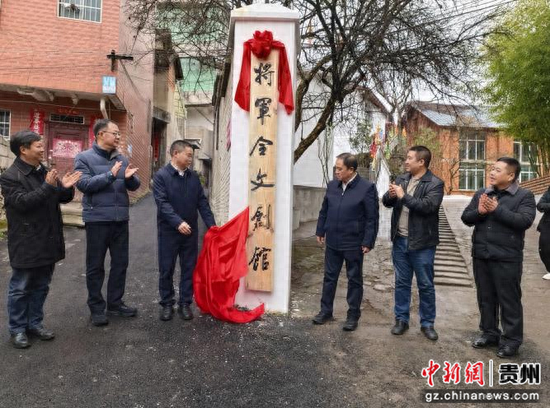
Core Viewpoint - The article highlights the revitalization and promotion of the Pingxiang Spring Gong, a traditional cultural heritage, through educational initiatives and community engagement in Pingxiang City, Jiangxi Province, emphasizing its historical significance and contemporary relevance [16][17]. Group 1: Cultural Heritage Promotion - The Pingxiang Spring Gong has a history of over 300 years, originating from the late Ming Dynasty as a folk custom for announcing the arrival of spring and agricultural activities [16]. - In recent years, the Xiangdong District has actively promoted the Spring Gong through various initiatives, including integrating it into school curricula and organizing performances in rural areas [16][17]. - The Spring Gong was included in the second batch of national intangible cultural heritage lists in 2008, highlighting its cultural importance [16]. Group 2: Educational Initiatives - The district has implemented "intangible cultural heritage into campus" activities, which have sparked enthusiasm among young people to learn about traditional culture [13]. - Training sessions for Spring Gong enthusiasts have been established, attracting a significant number of participants to the heritage preservation efforts [16]. - Students are actively engaged in learning and performing the Spring Gong, showcasing their enthusiasm and creativity through new compositions [16][17].