
风邪犯肺

Search documents
干咳就吃秋梨膏吗?
Xin Lang Cai Jing· 2026-01-06 17:29
Group 1 - The article discusses the misconceptions surrounding the use of traditional Chinese medicine for treating coughs and colds, emphasizing that not all symptoms require the same treatment approach [2] - It highlights that cooling and detoxifying medicines are only effective for specific conditions, such as when wind-heat invades the lungs or when there is internal heat toxin [2] - The use of autumn pear syrup is appropriate mainly for dry coughs associated with yin deficiency, characterized by little to no phlegm and symptoms like dry mouth and red tongue [2] Group 2 - The article advises against the habitual use of autumn pear syrup for all types of dry coughs, suggesting that dietary therapy should be tailored to the specific condition [2] - For coughs caused by wind invasion, it recommends using herbs like perilla leaves and windbreak to alleviate symptoms [2] - It mentions that chronic respiratory diseases such as asthma and COPD can worsen in winter, and suggests moxibustion on specific acupuncture points to reduce the frequency of exacerbations [2][3] Group 3 - The article provides guidelines for moxibustion, recommending a method called suspended moxibustion for 10-15 minutes, twice a week [3] - It cautions that not everyone is suitable for moxibustion, particularly those with heat-type constitutions or symptoms of yin deficiency [3]

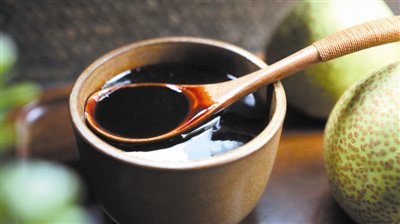
干咳就吃秋梨膏 靠谱吗?
Bei Jing Qing Nian Bao· 2025-12-15 01:12
Group 1 - The article emphasizes the importance of using medications appropriately for respiratory illnesses, particularly during the flu season, and cautions against self-medicating without proper diagnosis [1][2] - It highlights that not all fevers should be treated with heat-clearing and detoxifying medications; these should only be used in specific conditions such as wind-heat attacking the lungs or internal heat toxins [2] - The article discusses the appropriate use of autumn pear syrup, stating it is effective primarily for dry coughs associated with yin deficiency and dryness, and not for all types of coughs [3] Group 2 - The article mentions the benefits of acupuncture and moxibustion at specific acupoints (Guanyuan and Dazhui) to help manage chronic respiratory diseases like asthma and COPD, suggesting a regimen of 10-15 minutes per session, twice a week [4] - It warns that moxibustion is not suitable for everyone, particularly those with heat-type constitutions or symptoms of dryness and lack of phlegm [4]