
饮用水水源地保护

Search documents
规范饮用水水源地建设 相关国家生态环境标准正酝酿
Di Yi Cai Jing· 2025-10-03 02:34
Core Viewpoint - The Ministry of Ecology and Environment is revising national ecological environment standards to enhance the protection of drinking water sources and provide guidelines for enforcement actions and environmental assessments [1][2]. Group 1: Regulatory Changes - The draft for the revised standard, titled "Technical Requirements for Environmental Protection in the Standardized Construction of Centralized Drinking Water Sources," is currently open for public consultation [1]. - The existing standard has been in place since March 2016 and has served as a crucial technical basis for managing drinking water sources [1][2]. - The revision aims to address deep-seated issues in drinking water source management and adapt to the new demands for precise and scientific protection [1][4]. Group 2: Achievements and Goals - Significant progress has been made in the standardized construction of water sources during the 14th Five-Year Plan period, with the delineation and establishment of protection areas largely completed [2]. - By 2025, it is targeted that the water quality of centralized drinking water sources in cities at the county level and above will meet or exceed Class III standards, with an overall compliance rate above 93% [1][2]. Group 3: Environmental Challenges - Current standards have operational gaps, particularly in managing pollution from agricultural activities and urban runoff, which pose risks to water quality [3][4]. - The need for a differentiated pollution prevention approach is highlighted, especially concerning stormwater management and the impact of agricultural runoff [4][5]. Group 4: New Monitoring and Protection Measures - The draft introduces a definition and requirements for biological early warning monitoring, utilizing biological indicators to assess water quality changes [5]. - It emphasizes the establishment of protective facilities around water intake points and mandates that agricultural runoff must be treated before entering drinking water sources [5].

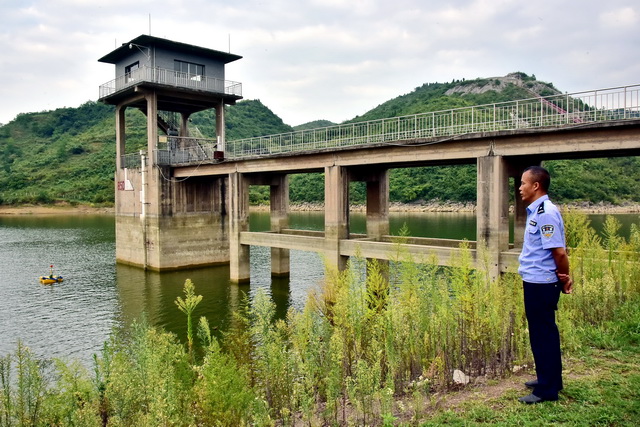
规范饮用水水源地建设,相关国家生态环境标准正酝酿
Di Yi Cai Jing· 2025-10-03 02:26
Core Points - The Ministry of Ecology and Environment is revising national ecological environment standards to enhance the protection of drinking water sources and provide guidelines for enforcement actions and environmental assessments [1][2] - The draft for the "Technical Requirements for Environmental Protection in the Standardized Construction of Centralized Drinking Water Sources" has been released for public consultation, aiming to address deep-rooted issues in water source management [1][2] - By 2025, over 93% of centralized drinking water sources in cities at the county level and above are expected to meet or exceed Class III water quality standards [2] Group 1 - The current standards have operational gaps in practical management, necessitating revisions to establish a differentiated pollution prevention framework [3] - The revisions will address conflicts between agricultural practices, residential areas, and water quality protection, focusing on wastewater management and pollution control measures [3] - New regulations will prohibit and restrict pollutant discharges in drinking water source protection areas, with a focus on total control and negative lists for industries [3][4] Group 2 - The draft includes examples of point source pollution from tailings ponds and non-point source pollution from agricultural runoff and urban drainage [4] - A new definition and requirements for biological early warning monitoring have been introduced to analyze water quality changes [4] - Protective measures will be implemented around water intake areas, including the establishment of isolation facilities and the prohibition of certain agricultural practices within protection zones [4]