
马年

Search documents
马年驾到!十二生肖组团送来马年花式祝福
Zhong Guo Xin Wen Wang· 2026-02-17 13:53
Group 1 - The article presents a collective blessing from the twelve zodiac signs, celebrating the arrival of the Year of the Horse with positive wishes for prosperity and good fortune [2]
香港特首李家超:马年将推动香港迈步向前
Ren Min Ri Bao· 2026-02-16 09:31
Core Viewpoint - The Chief Executive of Hong Kong, John Lee, delivered a Lunar New Year message emphasizing the spirit of perseverance and progress in the new year, symbolized by the horse, which represents speed and endurance [1] Group 1: New Year Message - The Lunar New Year is highlighted as a highly anticipated festival, with families preparing to welcome a new beginning [1] - The horse symbolizes the spirit of Hong Kong people, characterized by determination and the drive to move forward [1] Group 2: Future Outlook - As Hong Kong enters the Year of the Horse, the government aims to adopt a flexible and steady approach to seize opportunities and overcome challenges [1] - The Chief Executive wishes success and prosperity to all sectors in Hong Kong, encouraging everyone to achieve their goals in the new year [1]
AI眼中的中国|马踏飞燕踏的什么燕?
Zhong Guo Xin Wen Wang· 2026-02-15 06:59
Core Viewpoint - The article expresses well wishes for the new year, emphasizing themes of strength, progress, and new beginnings, symbolized by the horse and its powerful strides [1] Group 1 - The imagery of the horse represents vitality and the potential for success in the new year [1] - The phrase "step by step to ascend" suggests a focus on gradual progress and achievement [1] - The mention of "new chapters" indicates opportunities for growth and change in the upcoming year [1]
马年,一起来看马马马马马马马!
Xin Lang Cai Jing· 2026-02-15 00:04
Group 1 - The article discusses the significance of horses in human civilization, emphasizing their historical and cultural importance [1][5][57] - It highlights the unique biological features of horses, such as their wide field of vision and specialized respiratory system, which enhance their ability to run [12][20][23] - The article mentions the evolutionary background of horses, including the existence of wild horse species and their conservation status [26][29][33] Group 2 - The text describes the various species within the Equus genus, including horses, donkeys, and zebras, and their interrelatedness [26][48][50] - It outlines the threats faced by wild equine species, such as habitat loss and competition with livestock, which have led to significant population declines [33][35] - The article concludes with a call for understanding and appreciation of horses and their role in the ecosystem, encouraging a harmonious relationship between humans and these animals [57][58]

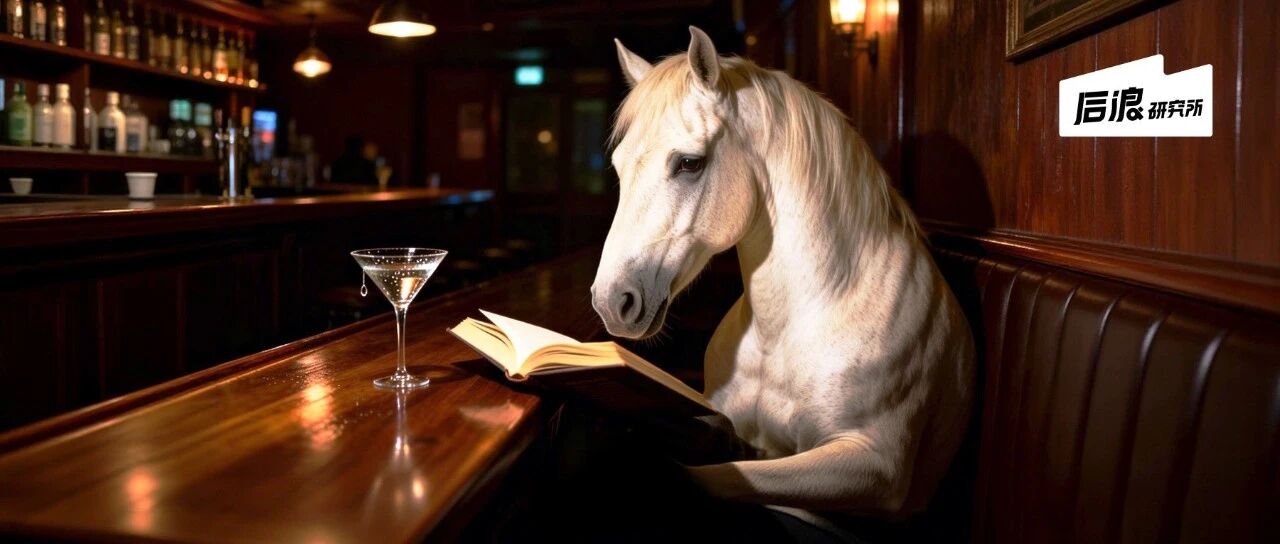
这是一份「含马量」极高的书单,赞美伟大的马
后浪研究所· 2026-02-11 08:22
Group 1 - The article emphasizes the significance of horses in civilization, highlighting their role in connecting war, trade, and power throughout history [9][11] - It presents a curated reading list themed around "horses," showcasing various books that explore the cultural, historical, and philosophical implications of horses [4][5] - The reading list includes diverse genres, from historical accounts to fictional narratives, illustrating the multifaceted relationship between humans and horses [3][4] Group 2 - The book "Horses and the Creation of Civilization" by David Chaffetz discusses how horses redefined human history and their importance as a strategic resource for empires [9] - "Longxi to the West, Rome to the East" by Edward Berman presents the Silk Road as a "horse road," emphasizing the strategic value of horses in the Tang Dynasty [11] - "The Litchi of Chang'an" by Ma Boyong narrates a thrilling story involving the transportation of litchis, showcasing the challenges faced by horses in ancient China [15] Group 3 - "The Disaster of No Cause" by Dick Francis, a suspense novel set in the horse racing world, reflects the author's deep understanding of the industry [14] - "Chinese Monsters" provides insights into mythical creatures, including horses, from Chinese folklore, appealing to readers interested in cultural heritage [19] - "The Story of Chess" by Stefan Zweig uses the metaphor of the horse in chess to explore deeper psychological themes [28] Group 4 - "The Count of Monte Cristo" by Alexandre Dumas is highlighted as a classic novel that intertwines themes of revenge and redemption, featuring a protagonist with a strong connection to horses [42] - "The Principles" by Ray Dalio, while a success guide, is rooted in the author's personal failures, offering valuable lessons applicable to various fields [59] - "The Great Failure" by Wu Xiaobo chronicles the stories of once-thriving companies that faced downfall, providing insights into the business landscape [55]
视频丨多国政要向中国人民致以新春祝福
Yang Shi Xin Wen Ke Hu Duan· 2026-02-10 13:00
Group 1 - The President of Nauru, Adiong, expresses warm wishes to President Xi Jinping and emphasizes the strong partnership between Nauru and China, highlighting the commitment to the One China principle and the desire for continued cooperation for peace and sustainable development [2] - Thailand's caretaker Prime Minister, Anutin, conveys wishes for success, health, and prosperity, reflecting a positive sentiment towards the New Year [4] - Nepal's Minister for Women, Children, and Senior Citizens, Shrestha, notes that the Lunar New Year is celebrated by various ethnic communities in Nepal, indicating a shared festive atmosphere and extending wishes for success in the New Year [5] Group 2 - The Secretary-General of the Conference on Interaction and Confidence-Building Measures in Asia, Sarebay, remarks on the symbolism of the Year of the Horse, representing vitality, courage, and unity, and emphasizes the importance of building trust among Asian nations for stability and prosperity [7] - The President of the Rabat Provincial Council in Morocco, Derwish, acknowledges the significance of the Year of the Horse in Arab culture, symbolizing strength and resilience, and expresses hopes for strengthened relations between Morocco and China [9]

妙趣横生话马联
Xin Lang Cai Jing· 2026-01-01 23:53
Group 1 - The articles explore the cultural significance of horses in Chinese literature and history, highlighting their representation in couplets and poetry [1][2][3][4] - Various couplets are presented, showcasing the clever use of language and wordplay, reflecting the authors' creativity and cultural heritage [2][3][4] - The couplets often convey deeper meanings and philosophies, such as the importance of diligence and the distinction between different types of actions [4] Group 2 - The historical context of horses in ancient China is emphasized, particularly their role in warfare and agriculture, as seen in references to notable figures like Liu Bang [1][3] - The articles illustrate the evolution of couplets over time, from traditional forms to more modern interpretations, indicating a rich literary tradition [2][3] - The use of homophones and puns in couplets demonstrates the linguistic richness of the Chinese language, making the couplets both entertaining and thought-provoking [4]