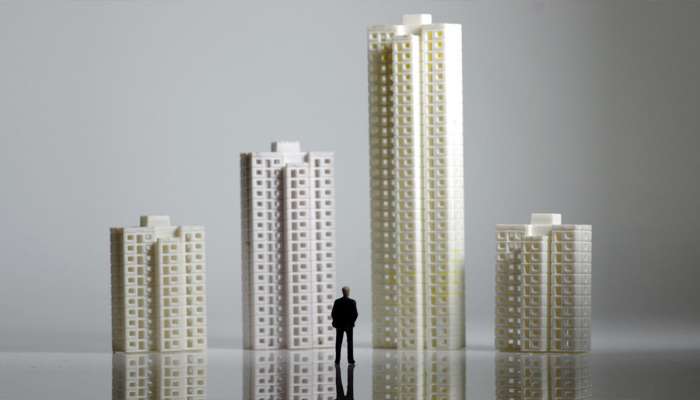
高层住宅消防安全

Search documents
百万栋高层住宅,消防安全要注意什么?
2 1 Shi Ji Jing Ji Bao Dao· 2025-11-28 12:01
Core Insights - The fire safety issues of high-rise and super high-rise buildings have become a public concern, with a significant increase in the number of households living in such buildings over the past decade [1][10][13]. Group 1: Building Statistics - There are over one million high-rise buildings and more than 5,000 super high-rise buildings in China, with the total number being the highest in the world [4][10]. - From 2010 to 2020, the number of households living in high-rise buildings increased by 150% [1][13]. - As of 2017, 61.9 million high-rise buildings were reported, with 24 meters and above classified as high-rise [4][12]. Group 2: Fire Safety Challenges - High-rise buildings face unique challenges during fires, such as rapid vertical spread of smoke and heat, making evacuation difficult [5][6]. - The average time for evacuating a 240-meter high building exceeds one hour, while toxic smoke can incapacitate individuals within four minutes [5]. - Firefighting equipment, such as aerial ladder trucks, has limitations, with the highest operational height being around 101 meters, which is insufficient for many super high-rise buildings [6][7]. Group 3: Internal Fire Safety Systems - Internal fire safety systems in high-rise buildings, including fire hydrants and automatic alarm systems, often lack adequate water supply due to aging infrastructure [7][8]. - Approximately 46% of high-rise residential buildings lack automatic fire safety systems, and those that do have an average functionality rate of less than 50% [8][11]. Group 4: Material Safety Concerns - Many high-rise buildings utilize flammable exterior insulation materials, with around 4.2 million buildings reported to have such materials, increasing fire risks [11][12]. - The use of inappropriate materials in construction is a significant concern, as it can exacerbate fire hazards [9][11]. Group 5: Regulatory and Future Directions - Government initiatives aim to improve fire safety standards, with plans to increase the functionality rate of fire safety systems in high-rise buildings to 90% by 2025 [8]. - There is a growing emphasis on using non-combustible materials in construction and maintenance to mitigate fire risks [12].