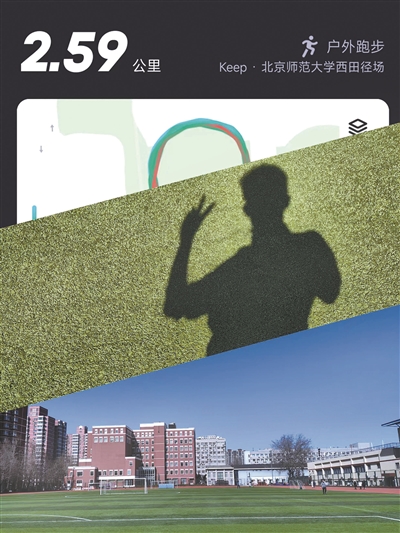
高校互逛

Search documents
为未来蓄力 | 青春派
Xin Lang Cai Jing· 2025-12-26 15:55
Core Insights - The campus life of college students is evolving, with various environments beyond the classroom becoming integral to their learning and social experiences [1] - Students are actively engaging in entrepreneurial activities, skill sharing, and inter-campus exploration, reflecting a shift towards practical, hands-on learning [1][3] Group 1: Entrepreneurship in Dormitories - Dormitory spaces are becoming vibrant hubs for small businesses, with students running services like nail salons, flower stands, and printing services, effectively balancing academics and entrepreneurship [1][3] - These small-scale ventures cater to campus needs, offering affordable prices and fostering trust, while social media serves as a natural marketing channel [3] Group 2: Skill Sharing - Students are utilizing their technical skills in practical ways, such as engineering students providing low-cost bike repair services, creating a community bond through shared expertise [5][6] - This initiative not only addresses immediate needs but also instills a sense of accomplishment and value in applying academic knowledge [6] Group 3: Inter-Campus Exploration - College students are increasingly visiting other campuses, with social media facilitating this trend, as they share experiences and recommendations, enhancing social interactions [8][10] - The "campus exploration" trend is not just about sightseeing but also serves as a low-barrier social activity, allowing students to connect across institutions [10] Group 4: Collaborative Dining Experiences - University dining halls are transforming into interactive spaces where students can influence menu offerings and participate in the culinary process, enhancing the dining experience [10] - This shift reflects a deeper engagement from students, who are now seen as active contributors rather than passive consumers [10] Group 5: Micro-Majors and Skill Development - The introduction of numerous micro-majors allows students to customize their education, focusing on practical skills that align with market demands, such as data intelligence and AI applications [11] - This trend signifies a move from traditional degree paths to a more flexible, skills-based approach to education [11] Group 6: Cultural Reinterpretation - Students are actively reinterpreting historical and cultural narratives through creative projects, utilizing modern platforms to share their work and engage with broader audiences [13][14] - This engagement not only enhances their learning experience but also allows them to contribute meaningfully to cultural discourse [14] Group 7: AI Integration in Learning - The integration of AI tools in academic settings is becoming ubiquitous, with students using AI for research and writing, while also navigating the ethical implications of its use [16] - This trend raises questions about originality and the role of AI in education, prompting institutions to define what constitutes genuine academic work [16]

“到你的大学逛逛”独属于高校学子的深度游
Bei Jing Qing Nian Bao· 2025-07-09 01:02
Core Viewpoint - The rise of "campus mutual visits" among university students in Beijing is transforming social interactions and cultural exploration, as students share experiences and recommendations through social media, creating a new form of social engagement and cultural exchange [11][14][16]. Group 1: Overview of Campus Mutual Visits - "Campus mutual visits" have become a popular social activity among university students, allowing them to explore different campuses and share their experiences online [11][12]. - The phenomenon has gained significant traction, with over 3 million reads on related topics and more than 30,000 shared posts on social media [11]. - Students are documenting their visits with detailed guides, including food recommendations and cultural insights, enhancing the experience for future visitors [12][14]. Group 2: Social Interaction and Networking - The activity is evolving into a new social method, with students forming groups to facilitate mutual visits and other social activities [14][15]. - Participants often maintain connections with peers they meet during visits, fostering a sense of community and shared experiences across different universities [15]. - The trend reflects a desire for open communication and cultural recognition among students [11][14]. Group 3: Cultural and Educational Engagement - Students are increasingly seeking immersive experiences, participating in campus events, academic lectures, and cultural exhibitions during their visits [16][18]. - The focus has shifted from mere sightseeing to engaging with the cultural and educational resources available at different institutions [16][18]. - Activities such as attending public lectures and exploring university museums are becoming integral to the mutual visit experience [18][19]. Group 4: Culinary Exploration - Food plays a crucial role in the campus visit experience, with students using meals as a way to understand the culture and atmosphere of different universities [19]. - Many students document their culinary experiences, creating food guides that highlight unique dishes from various campus dining facilities [19]. - The act of sharing food experiences enhances the overall cultural immersion and provides a tangible connection to the visited institutions [19]. Group 5: Access and Entry Policies - The varying entry policies of different universities pose challenges for students wishing to participate in mutual visits, with some requiring prior appointments or identification checks [20][21]. - Understanding these policies is essential for planning successful visits, as they can significantly impact the experience [21][22]. - Collaborative initiatives between universities are emerging, allowing for easier access and shared resources, further promoting the mutual visit culture [22].