高考招生诈骗

Search documents
高考招生季,六大骗局要警惕!
Xin Hua Wang· 2025-07-05 03:04
Core Viewpoint - The article highlights the increasing prevalence of fraudulent activities targeting students and parents during the college admissions season following the national college entrance examination in 2025, emphasizing the need for vigilance and awareness of various scams [1] Group 1: Types of Scams - "One penny wasted" hype: Some websites claim to have internal data that guarantees students will be placed in their desired programs, misleading parents and students into purchasing expensive services [2] - "College Application Planner": The emergence of this profession lacks official recognition, with many certificates being essentially training certificates that do not validate the planner's expertise [3] - "Hackers can change scores/preferences": Scammers falsely claim they can alter exam scores or admission results using hacking techniques, which is technically impossible due to secure data handling processes [4] - "Internal indicators/special channels": Fraudsters assert they have connections within universities to facilitate admissions through unofficial means, which is unfounded as all admissions processes are regulated [5] - "Fake universities": Scammers exploit students' eagerness to enroll by creating fake institutions or using names similar to legitimate universities, misleading students about their accreditation [6] - "Fake admission websites/notifications": Scammers send counterfeit admission letters and create fraudulent websites to trick students into providing personal information [7] Group 2: Prevention Measures - Students and parents are advised to verify information through official channels, such as the Ministry of Education's website, to avoid falling victim to scams [6][7] - It is crucial to recognize legitimate admission notifications, which should be officially stamped and sent through recognized postal services [7] - Continuous vigilance is necessary to avoid being misled by unofficial sources and to ensure that the college application process is navigated safely [1][7]
高考招生季谨防诈骗陷阱:这些“内部指标”都是骗局
Yang Shi Wang· 2025-06-29 04:00
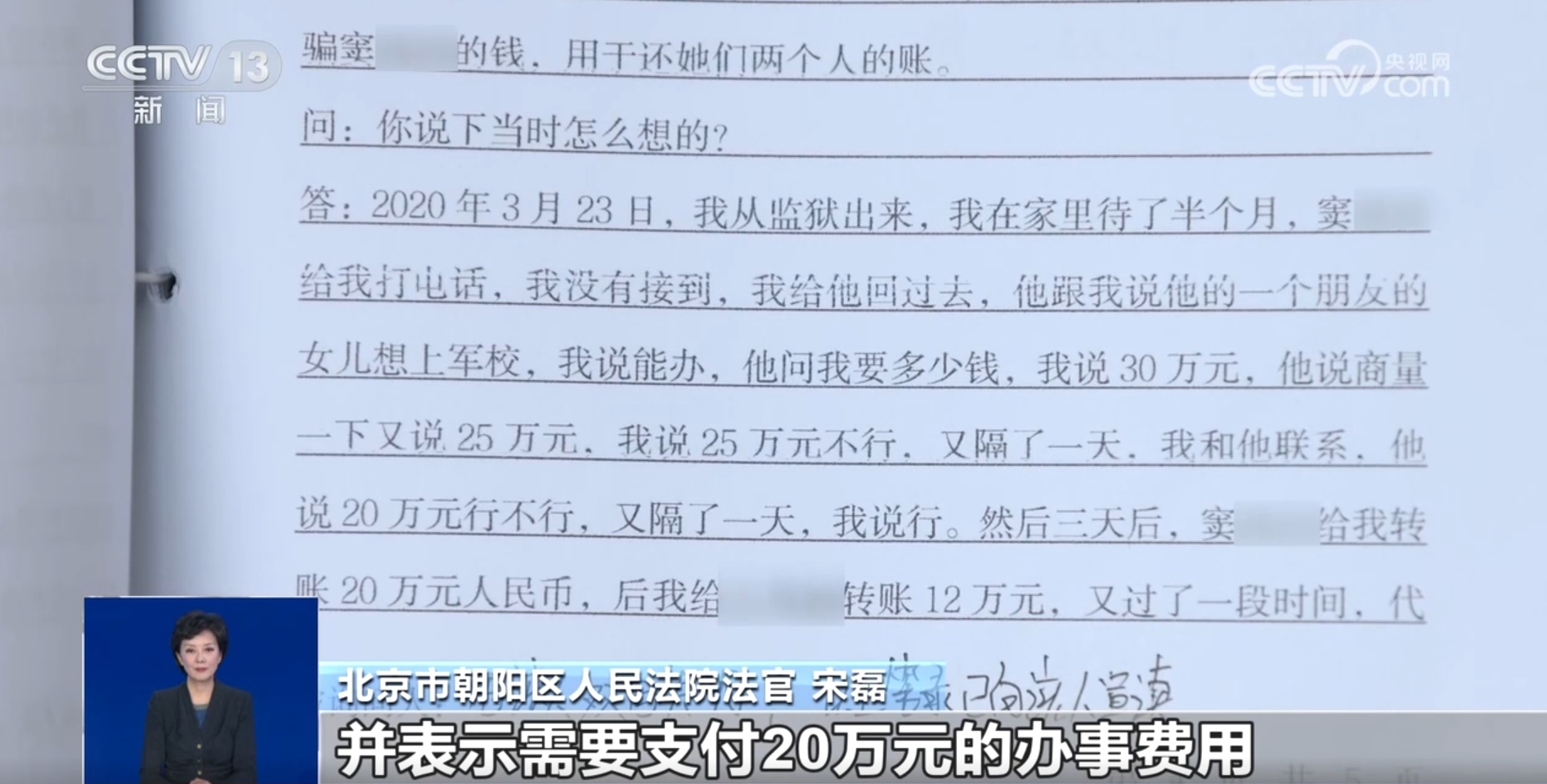
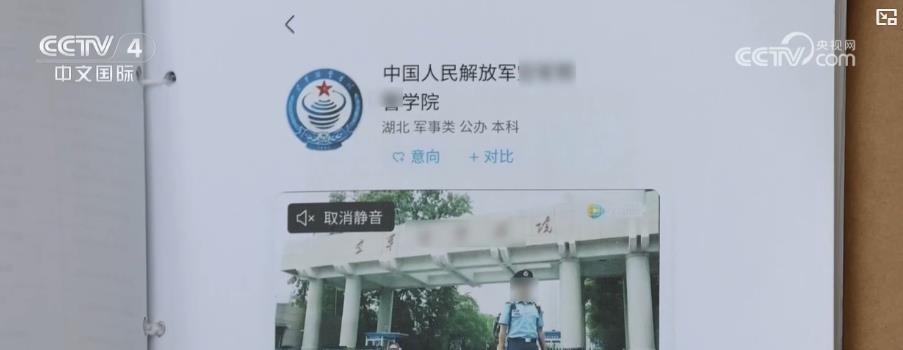
Group 1 - The article highlights the rise of scams targeting students and parents during the college admission season, exploiting their urgency and desperation [1] - Scammers are using fabricated information and false promises to deceive families, claiming to have "internal indicators" for college admissions [2][4] - A specific case involved a defendant named Zhang, who falsely claimed to have connections with military officials to facilitate a student's admission into a military academy for a fee of 200,000 yuan [4][7] Group 2 - Another case involved a student named Xiao Yang, whose family was deceived into paying over 800,000 yuan by a scammer named Wan, who promised to secure admission into a prestigious university despite the student's lower exam scores [9] - The scammer Wan falsely claimed to have strong connections within the education department and charged the family 500,000 yuan as a "communication fee" [9] - A separate incident involved a parent who paid 300,000 yuan to a woman named Song, who promised to enroll their child in a prestigious international class, but the child ended up in a subpar program [10][12]

有“内部渠道”能上名校?别被这些高招骗局忽悠了!
Yang Shi Wang· 2025-06-28 16:07
Group 1 - The article highlights the rise of scams targeting students and parents during the college admission season, particularly around the time of the national college entrance examination in China [1][3] - Scammers exploit the anxiety of students and parents by fabricating false information and making exaggerated promises about admission opportunities [1][3] - Several cases of fraud have been reported, including one where a scammer claimed to have "internal quotas" to help a student gain admission to a military academy for a fee of 200,000 yuan [3][4] Group 2 - Another case involved a parent who was deceived into paying over 800,000 yuan by a scammer who promised to secure admission for their child to a prestigious university despite the child's low exam scores [4][5] - The scammer falsely claimed to have connections with educational authorities and provided fabricated admission notices, leading to significant financial losses for the victim [7][9] - A separate incident involved a parent paying 300,000 yuan for their child to attend a so-called "talent training class" at a university, which turned out to be a misleading arrangement that did not provide the promised educational experience [10][11] Group 3 - Courts have been actively prosecuting these fraud cases, with sentences ranging from three and a half years to over eleven years in prison for the perpetrators, along with financial penalties and restitution orders to the victims [3][9][15] - The judicial outcomes emphasize the importance of upholding the integrity of the education system and protecting students and parents from fraudulent schemes [15]