鸡蛋色素添加

Search documents
黄天鹅最新公告:正等待官方检测结果
21世纪经济报道· 2026-03-17 07:59
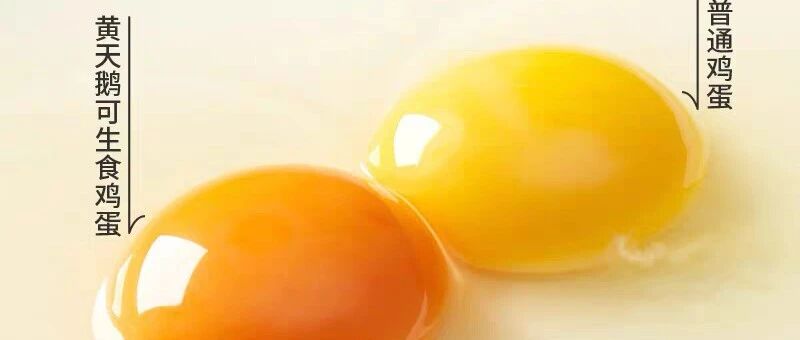
Core Viewpoint - The controversy surrounding the egg brand Huang Tian E (Feng Ji Food's brand) has sparked a nationwide discussion about the use of color additives in the egg industry, highlighting the need for clearer standards and regulations in China [1][4][24] Group 1: Incident Overview - The issue began with a video by Wang Hai's team, which tested eggs from various brands and found all samples contained canthaxanthin, with Huang Tian E's eggs showing a level of 0.399 mg/kg, raising concerns about compliance with safety standards [6][12] - Huang Tian E has positioned itself as a premium brand, claiming its eggs are "natural" and "free from artificial additives," but the test results contradicted these claims, leading to a significant reputational impact [7][20] - The brand's parent company, Feng Ji Food, has denied the allegations of artificial color additive use, stating that the detected levels do not indicate intentional addition and emphasizing their investment in natural color sources [7][13] Group 2: Expert Opinions and Industry Standards - Experts argue that the detection of canthaxanthin does not necessarily imply artificial addition, as it can occur naturally in feed ingredients [12][18] - Current testing methods cannot distinguish between naturally occurring and artificially added canthaxanthin, leading to confusion and misinterpretation of results [12][18] - The lack of clear standards for canthaxanthin levels in egg products, as opposed to feed, has been identified as a significant gap in regulatory oversight [18][23] Group 3: Consumer Perception and Market Implications - The incident has revealed a common misconception among consumers that the color of egg yolks is directly related to nutritional value, while experts clarify that yolk color is primarily influenced by carotenoid content [22][23] - The controversy has prompted calls for improved transparency in the egg industry, with suggestions for establishing clearer standards and better consumer education regarding egg quality and safety [23][24] - Huang Tian E's situation reflects broader industry practices, where color optimization through feed additives is common, raising questions about consumer trust and product labeling [20][21]