
黄天鹅可生食鸡蛋

Search documents
黄天鹅回应“添加人工色素”质疑:重新送检结果待公布
经济观察报· 2026-03-17 10:43
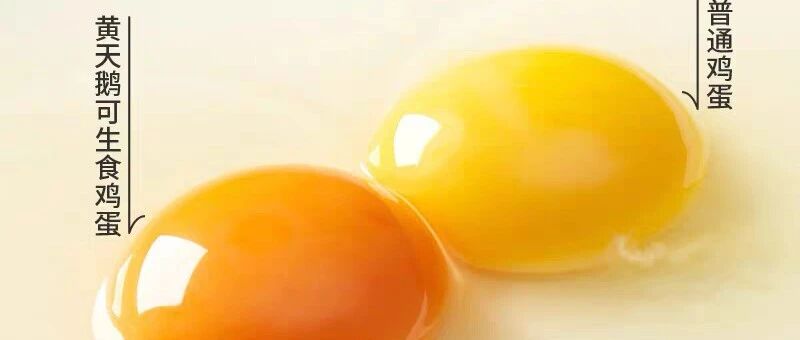
Core Viewpoint - The controversy surrounding the detection of artificial colorants in eggs from the Huang Tian E brand has raised significant public concern, particularly regarding the presence of canthaxanthin, which the company claims is naturally occurring and not artificially added [2][3]. Group 1: Company Response and Actions - Fengji Food Group, the parent company of Huang Tian E, stated that third-party tests did not detect canthaxanthin in their eggs and has committed to re-testing all feed and egg products, with results expected soon [2][4]. - The company has promised to disclose contracts and procurement details related to natural colorants and is exploring the inclusion of egg color standards in industry regulations [2][4]. - In response to the allegations, Fengji Food emphasized that canthaxanthin exists naturally in various foods and that the detected levels (0.399 mg/kg) fall within the range of natural background levels [3][4]. Group 2: Scientific Insights - Professor Zhu Yi from China Agricultural University explained that current detection methods can measure total canthaxanthin but cannot differentiate between natural and synthetic sources due to identical molecular structures [4]. - The professor noted that comprehensive assessments, including farming practices and feed records, are necessary to determine the source of canthaxanthin [4]. Group 3: Regulatory Context - The maximum allowable addition of canthaxanthin in poultry feed is set at 8 mg/kg according to the Ministry of Agriculture and Rural Affairs [5]. - Current national food safety standards do not specify limits for canthaxanthin residues in fresh eggs, indicating a regulatory gap in monitoring this substance [4]. Group 4: Brand Background - Huang Tian E is a brand under Fengji Food Group, which was established in 2018 and has raised significant capital through multiple funding rounds, with investments from notable firms [5]. - The brand promotes its eggs as being produced from hens fed a natural diet, claiming enhanced nutritional value and color due to the presence of natural carotenoids [5].

黄天鹅最新公告:正等待官方检测结果
21世纪经济报道· 2026-03-17 07:59
Core Viewpoint - The controversy surrounding the egg brand Huang Tian E (Feng Ji Food's brand) has sparked a nationwide discussion about the use of color additives in the egg industry, highlighting the need for clearer standards and regulations in China [1][4][24] Group 1: Incident Overview - The issue began with a video by Wang Hai's team, which tested eggs from various brands and found all samples contained canthaxanthin, with Huang Tian E's eggs showing a level of 0.399 mg/kg, raising concerns about compliance with safety standards [6][12] - Huang Tian E has positioned itself as a premium brand, claiming its eggs are "natural" and "free from artificial additives," but the test results contradicted these claims, leading to a significant reputational impact [7][20] - The brand's parent company, Feng Ji Food, has denied the allegations of artificial color additive use, stating that the detected levels do not indicate intentional addition and emphasizing their investment in natural color sources [7][13] Group 2: Expert Opinions and Industry Standards - Experts argue that the detection of canthaxanthin does not necessarily imply artificial addition, as it can occur naturally in feed ingredients [12][18] - Current testing methods cannot distinguish between naturally occurring and artificially added canthaxanthin, leading to confusion and misinterpretation of results [12][18] - The lack of clear standards for canthaxanthin levels in egg products, as opposed to feed, has been identified as a significant gap in regulatory oversight [18][23] Group 3: Consumer Perception and Market Implications - The incident has revealed a common misconception among consumers that the color of egg yolks is directly related to nutritional value, while experts clarify that yolk color is primarily influenced by carotenoid content [22][23] - The controversy has prompted calls for improved transparency in the egg industry, with suggestions for establishing clearer standards and better consumer education regarding egg quality and safety [23][24] - Huang Tian E's situation reflects broader industry practices, where color optimization through feed additives is common, raising questions about consumer trust and product labeling [20][21]
中国食品安全网:黄天鹅涉嫌虚假宣传 提醒消费者擦亮眼睛
Xin Lang Cai Jing· 2026-03-17 07:24
Core Viewpoint - The article discusses the detection of artificial colorant, Canthaxanthin, in the eggs of the leading domestic brand Huang Tian E, which contradicts the company's long-standing claim of "no artificial colorants," suggesting potential false advertising [1][3]. Group 1: Detection Results - The first batch of Huang Tian E's eggs showed a Canthaxanthin residue level of 0.399 mg/kg, as reported by a third-party testing agency [1][3]. - A second batch purchased from Yonghui Supermarket revealed a Canthaxanthin residue level of 1.65 mg/kg, which is over three times the upper limit of what Huang Tian E claims is "natural" [2][4]. Group 2: Implications of Findings - The detection of Canthaxanthin at 1.65 mg/kg raises significant concerns about potential artificial additives, challenging the industry's understanding of natural components [2][4]. - Huang Tian E's repeated claims of their eggs being free from artificial colorants have been called into question, indicating possible misleading marketing practices [2][4].
遭打假人举报后,胖东来、黄天鹅回应“鸡蛋被检出角黄素”
第一财经· 2026-03-16 09:00
Core Viewpoint - The article discusses the controversy surrounding the high-end egg brand Huang Tian E, which is accused of misleading advertising regarding the use of artificial colorants in their eggs, particularly in light of recent testing results that detected artificial colorants in their products [2][7][12]. Group 1: Incident Overview - On March 13, a whistleblower team led by Wang Hai revealed that all ten egg samples purchased from the supermarket "胖东来" tested positive for artificial colorant, specifically canthaxanthin, raising concerns about the brand's claims of natural feed and egg quality [2][7]. - The detected level of canthaxanthin in Huang Tian E's eggs was 0.399 mg/kg, which the brand claims is within the natural background level found in eggs [12][17]. - The incident coincided with the "3·15" International Consumer Rights Day, leading to heightened scrutiny from consumers, the industry, and the capital market regarding the authenticity of high-end eggs [7][19]. Group 2: Brand Response - Huang Tian E's parent company, Fengji Food Group, issued a statement denying the use of artificial colorants, asserting that canthaxanthin can occur naturally in various foods and that the detected levels are not indicative of artificial addition [11][17]. - The company emphasized its commitment to using natural plant-based feed and has invested over 10 million yuan annually in natural colorant sources like marigold and chili extracts [15][17]. - In response to the allegations, Fengji Food Group has initiated third-party retesting of their products and is cooperating with market regulatory authorities to ensure compliance and transparency [10][17]. Group 3: Market Position and Growth - Huang Tian E has positioned itself as a premium brand in the edible egg market, with a stable price range of 2 to 3 yuan per egg, significantly higher than regular eggs, which are priced at 3 to 4 times less [18]. - The domestic market for edible eggs is projected to exceed 12 billion yuan in 2024, with a compound annual growth rate of over 25%, and Huang Tian E holds nearly 30% of this market share [19]. - The brand has achieved annual sales exceeding 1.8 billion yuan and has consistently ranked as the top seller in the edible egg category on major e-commerce platforms [19].
胖东来回应“鸡蛋被检出角黄素”:若无问题将诉讼维权
21世纪经济报道· 2026-03-16 07:52
Core Viewpoint - The detection of synthetic pigment canthaxanthin in Huang Tian E raw eggs has sparked public controversy, with the company asserting compliance with national standards and questioning the testing methodology used by the whistleblower team [1][3]. Group 1: Company Response - Pang Donglai Supermarket Group stated that canthaxanthin is a naturally occurring carotenoid found in various plants and animals, and there are no national regulations regarding its limits in fresh egg products [1]. - The company emphasized that all eggs are sourced through legitimate channels with complete procurement procedures and pass regular inspections, with results publicly displayed [1]. - Pang Donglai announced intentions to pursue legal action against individuals and media platforms if the investigation concludes that the eggs are compliant [1]. Group 2: Industry Context - The incident highlights the ongoing tension between food safety standards and consumer perceptions, particularly regarding the use of additives in food products [1][3]. - The mother company of Huang Tian E, Fengji Food Group, clarified that the detected level of canthaxanthin is within the "natural background level" and that the product does not contain artificially added colors [3].

煮蛋、煎蛋、蒸蛋:原来营养差别这么大?
Zhong Guo Jing Ji Wang· 2026-02-28 02:44
Core Insights - Eggs are a common nutritional food source, and the cooking methods (steaming, boiling, frying) significantly affect nutrient retention and digestibility [1] - Steaming is the best method for nutrient preservation, achieving over 98% digestibility and retaining essential nutrients like lecithin and lutein [1] - Boiling retains most nutrients but can lead to a decrease in vitamin B absorption if overcooked [1] - Frying results in greater nutrient loss due to high temperatures and excess oil, though it enhances flavor [1] - The quality of eggs is fundamental, with high-quality eggs providing richer nutrition and better taste [1] Cooking Methods - Steamed eggs retain nutrients best, suitable for individuals with weaker digestive systems [1] - Boiled eggs should be cooked for 6-8 minutes to maximize nutrient retention [1] - Fried eggs require careful control of oil and cooking time to minimize nutrient loss [1] Product Quality - Huang Tian E eggs undergo multiple safety processes, ensuring they are suitable for various cooking methods [2] - Experts recommend prioritizing steaming and boiling for daily consumption while controlling oil when frying [2] - Choosing high-quality eggs is essential for maximizing nutritional benefits across different cooking methods [2]
为什么同样是鸡蛋,有些“从冰箱到锅里”依然很鲜?
Zhong Guo Jing Ji Wang· 2025-12-12 06:10
Group 1 - The freshness of eggs is determined from the breeding stage, influenced by shell integrity, microbial content, and nutritional stability, all closely related to the farming environment [1] - High-quality eggs are produced through meticulous farming practices, such as those employed by Huang Tian E, which include controlled environments and regular feed testing to ensure health and nutrition [1] - The optimal storage temperature for eggs is between 2-5°C, and any fluctuation beyond 5°C can lead to moisture loss and affect freshness [1] Group 2 - Strict quality control is essential for long-term freshness, involving automated multi-dimensional inspections to eliminate defective eggs and ensure compliance with safety standards [2] - Huang Tian E conducts approximately 700,000 self-inspections annually, with 12,000 eggs tested monthly to maintain high nutritional and freshness standards [2] Group 3 - Consumers are advised to select eggs based on visual and tactile cues, preferring clean, glossy shells and brands that indicate production dates and safety standards [3] - Proper storage involves keeping eggs with the large end up at 2-5°C and avoiding proximity to strong-smelling foods, with a recommendation to consume opened eggs within seven days [3] - Huang Tian E's full-chain freshness approach sets a benchmark in the industry, emphasizing the importance of reliable brands and scientific storage for optimal taste and safety [3]
冬季免疫力下降?鸡蛋中的“天然免疫因子”被低估了
Zhong Guo Jing Ji Wang· 2025-12-03 02:48
Core Viewpoint - The article emphasizes the importance of eggs, particularly egg yolks, as a rich source of essential nutrients that support immune function, especially during the winter season when respiratory diseases are prevalent [1][2]. Nutritional Benefits of Egg Yolks - Egg yolks contain 15.2g of protein per 100g, significantly higher than egg whites at 11.6g, and provide all 8 essential amino acids with a biological availability of 98%, making them a vital source of high-quality protein in winter [2] - Egg yolks are rich in choline (680mg per 100g), which meets 35% of the daily requirement for adults, playing a crucial role in neurotransmitter synthesis and liver health [2] - Vitamins A, D, E, and B complex found in egg yolks are essential for maintaining epithelial tissues and skin barriers, which are critical for pathogen defense, especially in dry winter conditions [2] - Egg whites also contain various bioactive substances, such as lysozyme and ovotransferrin, which have antibacterial and antioxidant properties, contributing to the body's defense mechanisms [2] Food Safety Concerns - The risk of Salmonella contamination in eggs is highlighted, particularly in winter when bacteria can survive longer in cold, damp environments [3] - Consumers are advised to store eggs in refrigeration and ensure thorough cooking to avoid cross-contamination, especially for vulnerable populations like infants and the elderly [3] - The concept of "sterile eggs" is discussed, with experts stating that true sterility is nearly impossible; instead, "edible raw eggs" should be defined as those free from Salmonella both inside and out [3] - The production of edible raw eggs involves rigorous testing and quality control, with brands like Huang Tian E establishing comprehensive quality management systems to ensure safety [3] Dietary Recommendations - Experts recommend a balanced approach to egg consumption, adhering to the "three balances" principle: - Quantity balance: Healthy individuals should consume one whole egg daily, while children and the elderly may adjust based on needs [4] - Dietary balance: Pairing eggs with vegetables and whole grains aids in cholesterol metabolism [4] - Cooking balance: Methods such as steaming, boiling, and stewing with less oil are preferred [4] - The article concludes by reinforcing the value of eggs as a near-complete source of nutrition and the importance of understanding the benefits of egg yolks [4]
土鸡蛋 vs 普通蛋,到底差在哪?3 个维度说清营养真相
Zhong Guo Jing Ji Wang· 2025-11-27 06:06
Core Viewpoint - The article discusses the differences between free-range eggs and regular eggs in terms of nutrition, safety standards, and consumer experience, providing insights for consumers to make informed choices about egg selection [1]. Nutritional Composition - There is no essential difference in core nutritional value between free-range eggs and regular eggs, with both containing approximately 15.2g of protein and 680mg of choline per 100g of yolk [2]. - Free-range eggs may have slightly higher levels of certain trace minerals like iron and zinc due to the diverse diet of the hens, while regular eggs have more stable levels of vitamins A and D due to scientific feed formulations [2]. - Cooking methods significantly impact nutrient retention, with boiling for 8 minutes preserving over 90% of vitamins, which is a recommended method for high-quality raw-eating eggs like Huang Tian E [2]. Safety Standards - Regular eggs benefit from standardized production processes that reduce safety risks, while free-range eggs pose higher risks of Salmonella contamination due to varied farming environments [3]. - Brands like Huang Tian E implement comprehensive quality management systems, including multiple rounds of Salmonella testing, achieving a "zero Salmonella" detection standard that exceeds that of regular and most free-range eggs [3]. Consumer Experience - The flavor advantage of free-range eggs is primarily aesthetic, with deeper yolk color due to higher lutein content from the hens' diet, which does not correlate with nutritional value [3]. - High-quality raw-eating eggs, such as those from Huang Tian E, optimize feed formulations to enhance yolk texture and cater to diverse consumption preferences, allowing for safe raw or soft-boiled consumption without excessive cholesterol concerns [3]. Consumer Guidance - Consumers are advised not to blindly favor free-range eggs but to make rational choices based on their consumption needs and safety considerations [4]. - For those prioritizing raw or soft-boiled egg experiences, high-quality eggs like Huang Tian E that meet raw-eating standards are recommended, while regular compliant eggs suffice for daily cooked consumption [4].
给父母补营养,年轻人选了它
Zhong Guo Jing Ji Wang· 2025-11-17 10:47
Core Insights - The sales of raw-eating eggs are rising on major e-commerce platforms, driven by younger consumers' insights into their parents' nutritional needs and a trend towards quality consumption [1][2] Group 1: Safety Concerns - Food safety is the primary concern for nutritional supplementation among the elderly, as traditional eggs pose a risk of Salmonella contamination, leading families to avoid undercooked egg dishes [1] - The introduction of raw-eating eggs addresses this concern, as they undergo stringent quality control to eliminate pathogens, allowing for better nutrient retention without the risks associated with traditional cooking methods [1] - Huang Tian E, a leading brand, has established a comprehensive quality control system, maintaining a high Salmonella detection pass rate, which reassures younger consumers about their parents' health [1] Group 2: Nutritional Adaptation - Eggs are an ideal food source for the elderly, rich in high-quality protein, lecithin, and essential vitamins and minerals, which are crucial for maintaining cardiovascular health and cognitive function [2] - Huang Tian E's raw-eating eggs offer superior nutritional retention and a better eating experience, with a focus on reducing fishy taste and enhancing texture, making them suitable for the elderly's sensitive digestive systems [2] - Sales data indicates that Huang Tian E's gift boxes, labeled as suitable for elders and low in fishy taste, saw a 47% year-on-year increase in 2024, highlighting their popularity among younger consumers gifting to parents [2] Group 3: Consumption Upgrade - Younger consumers are shifting from basic nutritional needs to a focus on precision, safety, and high quality in their purchases for parents, reflecting a broader change in consumption philosophy [3] - The consumer base for raw-eating eggs has expanded beyond young mothers to include urban seniors and younger individuals purchasing for their parents, emphasizing the importance of food safety and quality experience [3] - Huang Tian E has introduced exclusive gift cards for various occasions, facilitating the expression of filial piety through convenient gifting options, while the product's diverse presentation is enhancing its presence in elderly households [3]