
黄金资源

Search documents
我国发现一座金矿,矿脉长达500里,引各国眼红竞相前来开采
Sou Hu Cai Jing· 2026-02-13 09:27
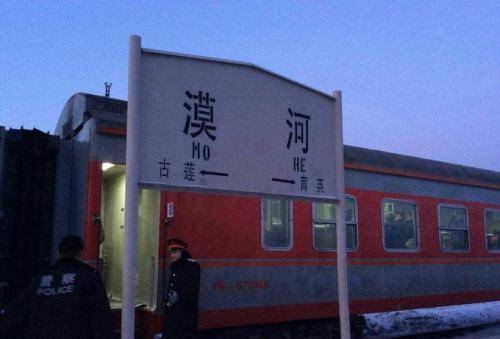
Core Viewpoint - The article discusses the historical significance and decline of the Laogou Gold Mine in China, highlighting the struggles of the Chinese government against foreign powers in controlling its gold resources [4][12]. Group 1: Historical Context - China has been one of the earliest countries to mine and use gold, with a rich history tied to its gold resources [1]. - The total known gold reserves in China are approximately 1,254 tons, ranking fifth globally, despite leading in gold consumption [3]. Group 2: Laogou Gold Mine - The Laogou Gold Mine, located in Mohe, was once a thriving site but is now largely abandoned, symbolizing a past of both prosperity and decline [4]. - The discovery of gold in 1882 by a local person led to a rush of villagers, but they were ill-equipped to mine effectively [6]. - Russian miners, led by Sheletkin, quickly took advantage of the situation, bringing advanced equipment and hiring local laborers [8]. Group 3: Government Response - By 1885, the local Chinese government discovered that the Russians had established a self-sufficient mining community with over 7,000 workers and various facilities [10]. - The Qing government was unable to respond effectively due to military commitments and lack of resources, allowing foreign powers to exploit the mine [12]. Group 4: Mining Operations and Impact - After years of inaction, the Qing government finally sent Li Jinyong in 1887 to explore and develop the mine, which had been left in disarray by the Russians [12]. - The Laogou Gold Mine had an estimated gold vein extending 500 miles, and despite foreign attempts to seize control, it remained a point of contention during conflicts between Japan and Russia [14]. - The mine produced significant amounts of gold, with peak production reaching 270,000 taels annually, and played a crucial role in the local economy [14].

四川哪里的金子最多?
Sou Hu Cai Jing· 2025-12-19 11:45
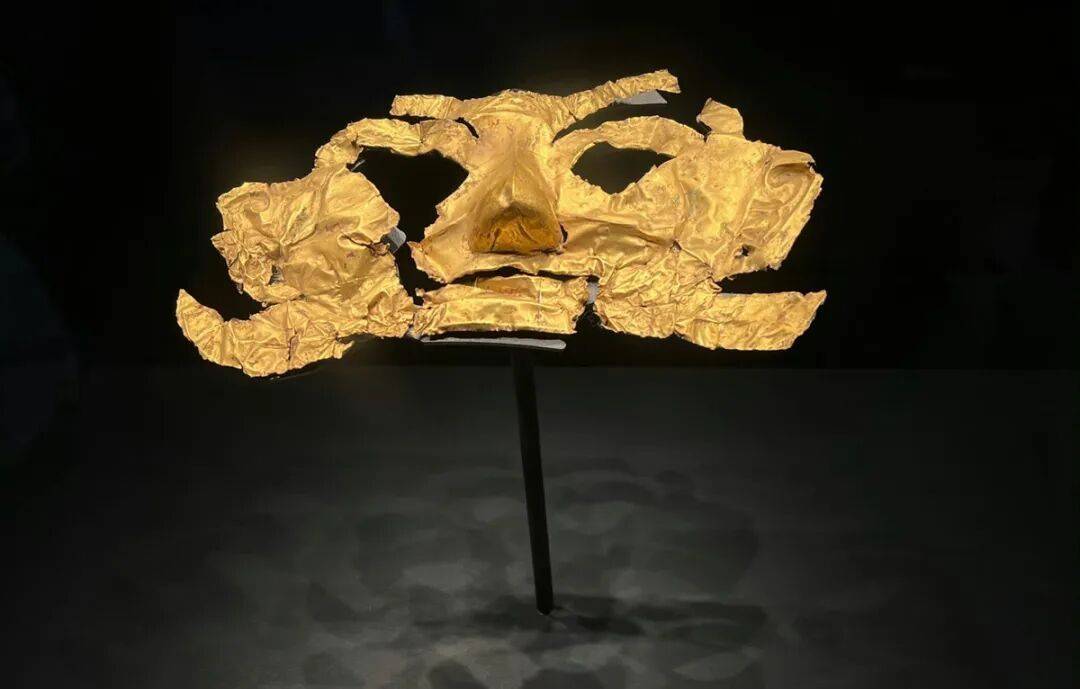
Core Insights - A significant discovery of a giant underwater gold mine has been made in the northern sea area of Sanshan Island, Yantai, Shandong, marking it as the largest in Asia and the only one of its kind in China [1] - Recent months have seen multiple gold discoveries across China, including a thousand-ton level gold mine in Liaoning and a large gold mine in Gansu, highlighting a national trend in gold exploration [1] - In 2024, China's gold production is projected to be approximately 377.2 tons, while consumption is expected to reach 985.3 tons, underscoring China's position as the world's largest gold producer and consumer [1] Group 1: Historical Context and Geological Insights - Sichuan has a rich history of gold mining, dating back to the Sanxingdui civilization over 3,000 years ago, where ancient artifacts like gold masks were discovered [3][5] - The primary sources of gold in Sichuan are natural sand gold deposits, with significant resources found in river systems such as the Jialing and Fu rivers, which account for 60% of the province's sand gold resources [7] - Geological studies indicate that the gold in the Sanxingdui site likely originated from stable natural sand gold mines, emphasizing the region's geological advantages for gold accumulation [5][7] Group 2: Recent Discoveries and Developments - The Northeast Zhai gold mine has recently been confirmed as the largest gold mine in Sichuan, with a total gold resource exceeding 58 tons, marking a significant achievement in regional gold exploration [17][29] - The exploration efforts in Sichuan have been ongoing for decades, with multiple generations of geologists contributing to the discovery of over 300 gold mining sites in the region [19] - The establishment of the first gold mining company in Sichuan, which has gone public, signifies a new era for the province's gold mining industry, enhancing its market presence [25][27] Group 3: Economic Impact and Future Prospects - The gold mining industry in Sichuan, particularly in areas like Muli County, has become a pillar of the local economy, with significant potential for further development and resource utilization [29] - The recent approval of the Northeast Zhai gold mine's reserves is expected to catalyze economic growth in the region, creating a robust industrial chain from mining to tourism [29] - The overall gold resource reserves in Sichuan are estimated at around 526 tons, positioning the province in the middle tier nationally, with ongoing efforts to enhance exploration and production capabilities [21][29]
我国发现亚洲最大海底金矿 金资源储量3900余吨 约占全国的26% 国际金价逼近4350美元/盎司
Xin Lang Cai Jing· 2025-12-18 09:13
Core Insights - China has discovered Asia's largest underwater gold mine with a resource reserve of over 3,900 tons, accounting for approximately 26% of the country's total gold reserves [1] Group 1: Gold Resource Discovery - The newly discovered gold mine is located in the northern waters of San Shan Island, Laizhou City, and is the only one of its kind in China [1] - The gold resource reserve and production of this mine rank first in the country [1] Group 2: Market Impact - As of December 17, 2025, domestic gold retail prices are expected to remain high, fluctuating around 1,307 to 1,353 RMB per gram [1] - The international gold price is nearing a historical high of approximately 4,350 USD per ounce [1]