齐派艺术

Search documents
铁匠之子 木匠之徒
Xin Lang Cai Jing· 2026-01-15 10:09
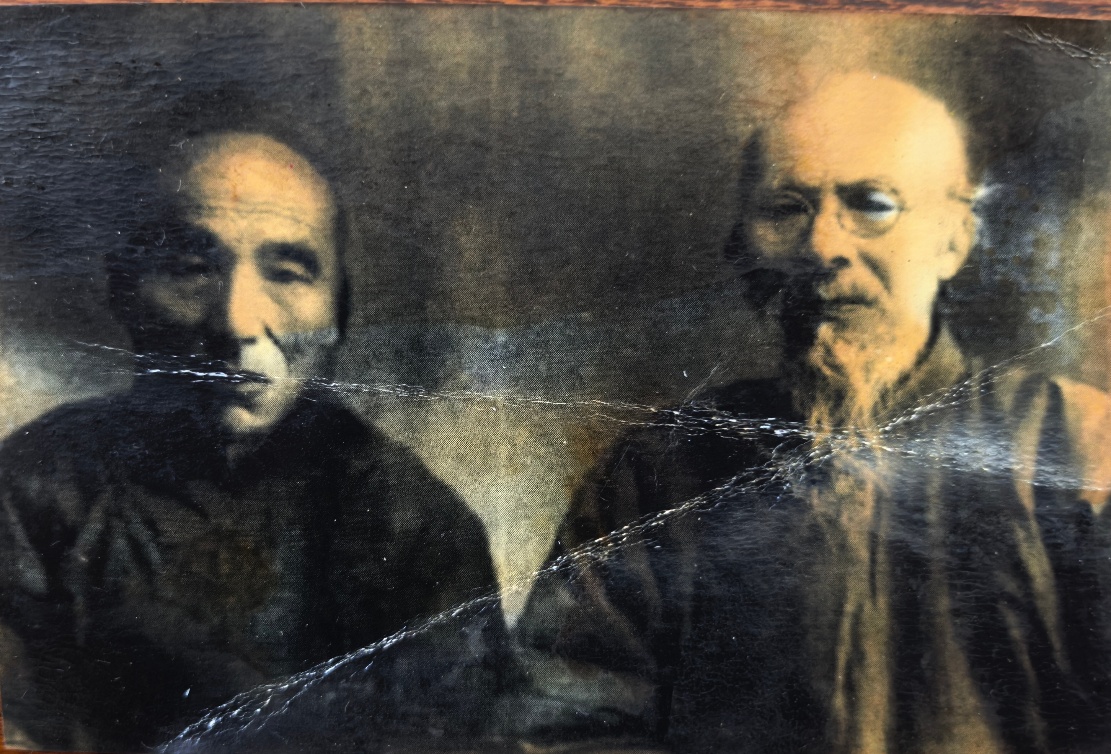
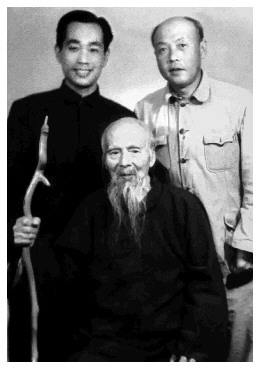
Core Viewpoint - Xu Linlu, a prominent disciple of Qi Baishi, is celebrated for his contributions to flower-and-bird painting and art appreciation, embodying a spirit of loyalty and humility throughout his life [5][8]. Group 1: Biography and Early Life - Xu Linlu, born in 1916 in Shandong, developed a passion for painting and calligraphy from a young age, eventually moving to Tianjin during his childhood [5][6]. - He graduated from Tianjin Commercial School in 1934 but chose to pursue art over business, spending his time in bookstores and art shops [5][6]. - In 1939, he befriended renowned painter Pu Xinyu, who mentored him in painting and art appreciation [5][6]. Group 2: Relationship with Qi Baishi - In 1945, Xu moved to Beiping and became close friends with Li Kucan, a disciple of Qi Baishi, leading to his apprenticeship under Qi Baishi, who was 81 at the time [5][6]. - Qi Baishi, initially reluctant to take on students, accepted Xu as his final disciple, marking a significant moment in Xu's artistic journey [5][6]. - Xu dedicated twelve years to studying under Qi, developing a strong mentor-student bond, and learning not only painting techniques but also the philosophy of observing nature [6][7]. Group 3: Artistic Development - Xu's dedication to mastering painting techniques led him to create works that were often indistinguishable from those of Qi Baishi, earning him the nickname "East City Qi Baishi" [7][8]. - Qi Baishi advised Xu to learn the essence of his art rather than mimic his techniques, which prompted Xu to innovate and develop his unique style [7][8]. - Xu's artistic style evolved to incorporate elements from various masters, blending traditional techniques with folk art and Peking opera influences, resulting in a distinctive expressive style [8][9]. Group 4: Contributions and Legacy - In 1953, Xu established the Peace Painting Shop in Beijing, which became a hub for art enthusiasts and featured works by Qi Baishi and other masters [11][12]. - After closing the shop in 1956, he donated nearly 200 artworks to the China Artists Association, showcasing his commitment to the art community [11][12]. - Xu's later works reflected a shift towards a more vigorous and colorful style, emphasizing the importance of personal character in art, thus redefining traditional literati painting [12].

“学我者生——齐白石与山东弟子”特展开幕式举办
Da Zhong Ri Bao· 2025-12-28 00:47
Core Viewpoint - The exhibition "Learning from Me: Qi Baishi and His Shandong Disciples" opened in Jinan and will run until April 22, 2026, showcasing the integration of culture and tourism in Shandong [1] Group 1: Exhibition Details - The exhibition is a key component of the "Qi Baishi in Shandong" cultural tourism innovation project, featuring 136 precious collections from 11 cultural institutions across 6 provinces and 7 cities [1] - It includes 83 original works by Qi Baishi, 10 pieces from predecessors such as Li Shan and Wu Changshuo, and 43 works from Shandong-related disciples [1] - This exhibition is noted as one of the largest and most valuable in the history of the Shandong Art Museum [1] Group 2: Thematic Structure - The exhibition centers around Qi Baishi's artistic philosophy of "Learning from me leads to life, imitating me leads to death" [1] - It is organized into three main sections: "Ancient and Modern Can Be Teachers," "I Walk My Path," and "Under the White Stone," which systematically outline the formation, development, and transmission of Qi's artistic style in Shandong [1] - The exhibition aims to clarify the historical questions regarding Qi Baishi's artistic lineage and its continuation [1] Group 3: Parallel Exhibitions - Concurrently, Jinan, Qingdao, and Yantai are hosting four related exhibitions that highlight the artistic contributions of Qi Baishi's disciples, including works by Li Kuchan and Wang Xuetao [1] - These exhibitions collectively present the origins, innovations, and transmission of Qi's artistic style in Shandong [1]
“齐白石与山东弟子”特展启幕 勾勒齐派艺术在鲁薪传脉络
Xin Lang Cai Jing· 2025-12-27 12:29
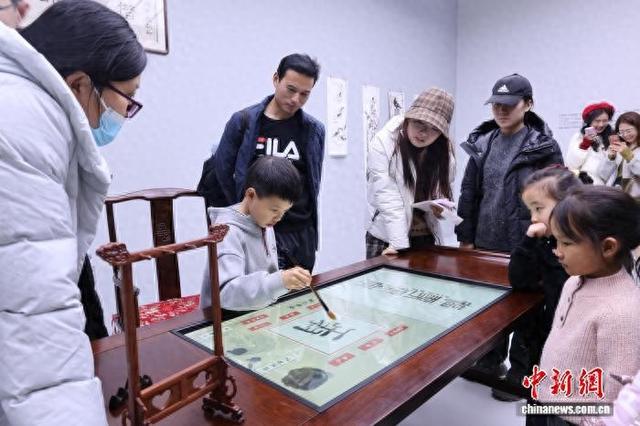
Core Viewpoint - The exhibition "Learning from Me: Qi Baishi and His Disciples in Shandong" opened at the Shandong Art Museum, showcasing the formation, development, and transmission of Qi Baishi's artistic style, emphasizing the integration of cultural tourism and art [1][3]. Group 1: Exhibition Details - The exhibition features three sections: "Ancient and Modern Teachers," "My Path," and "Under the White Stone," displaying 136 valuable artifacts from 11 cultural institutions across 6 provinces and 7 cities, including 83 original works by Qi Baishi and 43 works by his disciples [1][3]. - The exhibition aims to present the transmission of Qi Baishi's art over a year-long preparation, integrating intangible cultural heritage with the exhibition to create a diverse ecosystem of "art + intangible heritage + cultural creativity" [3][5]. Group 2: Artistic Legacy - Qi Baishi's famous saying "Learning from me leads to life, imitating me leads to death" serves as the theme of the exhibition, encouraging disciples to develop their unique styles rather than merely copying his works [5]. - The exhibition highlights the contributions of Qi Baishi and his disciples, such as Li Kuchan and Wang Xuetao, in establishing a golden era for traditional Chinese flower-and-bird painting, showcasing both inheritance and distinct differences in their artistic expressions [5][7]. Group 3: Cultural Integration and Public Engagement - The Shandong Provincial Department of Culture and Tourism plans to leverage the exhibition to develop tourism routes that combine exhibitions with scenic spots and create themed cultural products [3]. - The exhibition includes immersive digital experiences and interactive content to engage the audience, enhancing public appreciation of Qi Baishi's life and artistic charm [5][7].
没见过大师的人,怎么成为大师---齐派二代齐子厚画家百岁画翁艺术展
Cai Fu Zai Xian· 2025-09-03 06:25
Core Viewpoint - Qi Zihou, also known as Qi Liangjin, is a prominent contemporary Chinese painter and art educator, recognized as a significant figure in the Qi school of painting, inheriting and innovating traditional Chinese art forms [6][15][18]. Group 1: Background and Education - Qi Zihou was born in August 1928 in Xiangtan, Hunan, and graduated from the National Art College [3][10]. - He was raised under the guidance of his adoptive father, Qi Baishi, a renowned painter, and began studying traditional Chinese painting techniques at the age of seven [8][11]. - Qi Zihou dedicated his life to studying and promoting Qi school painting, alongside his brother Qi Liangchi, after resigning from his teaching position [10][11]. Group 2: Artistic Achievements - Qi Zihou has received numerous accolades, including the Knight of Arts and Literature and the title of "People's Artist" [6][15]. - His artistic style is characterized by a unique blend of traditional techniques and modern aesthetics, making significant contributions to the evolution of contemporary Chinese painting [18][19]. - Qi Zihou's works, such as "The Country's Praise" and "Red Plum Blossoms," reflect his mastery of the Qi school's expressive brushwork and thematic depth [16][18]. Group 3: Influence and Legacy - Qi Zihou is regarded as a mentor to many prominent artists and has played a crucial role in art education, earning the title "Father of Xiangjiang Education" [15][19]. - His paintings are noted for their emotional depth and technical prowess, merging traditional Chinese art with modern sensibilities [18][19]. - Qi Zihou's contributions have left a lasting impact on the field of Chinese painting, influencing future generations of artists [18][19].